TSMC US expansion: New $100bn investment plan
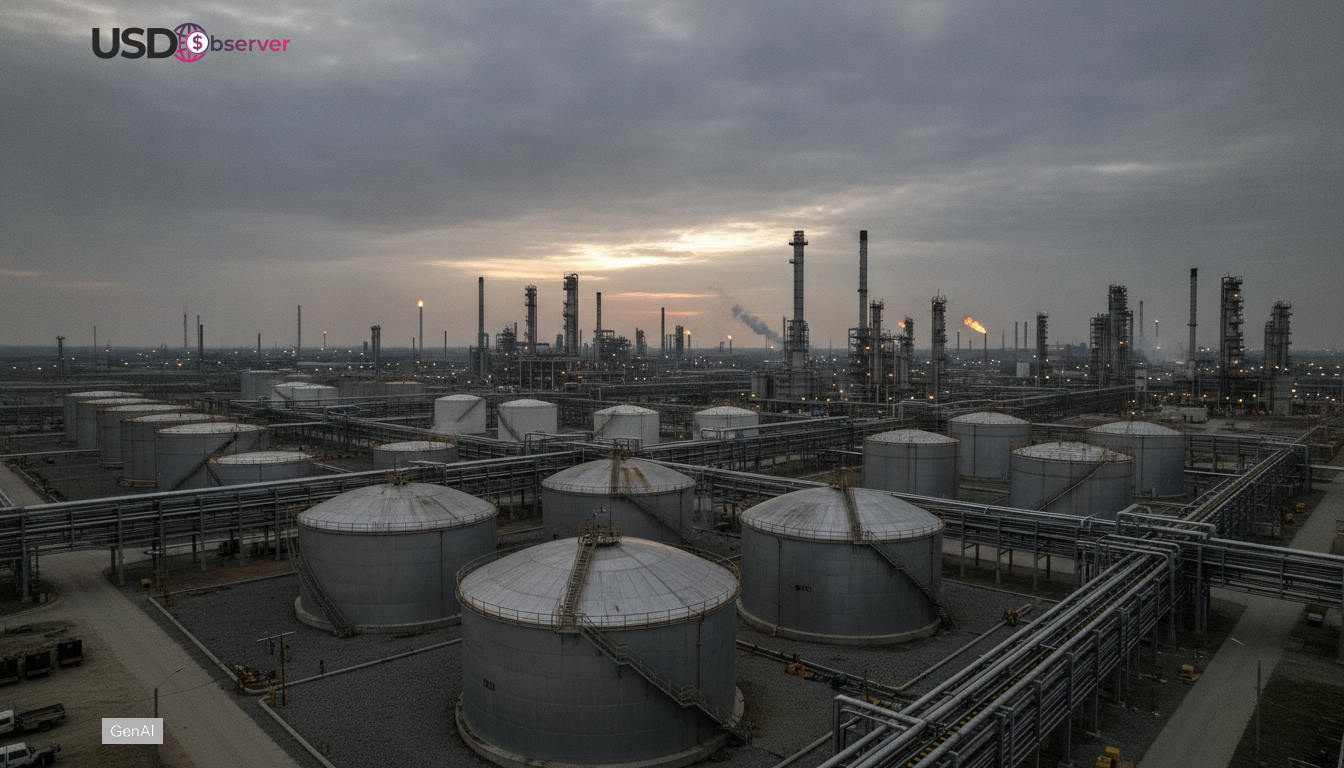
TSMC US expansion is accelerating after the chipmaker pledged another $100bn to build out advanced chip production capacity in the United States. The commitment deepens the company’s Arizona centered manufacturing push with funding aimed at new fabrication lines, supporting infrastructure, and supply chain readiness. Reuters described the move as a major step to shift more output outside Taiwan and closer to key customers, while keeping execution milestones tied to permitting, construction, and equipment deliveries. The plan is expected to be staged over multiple years, with phased ramp ups, qualification cycles, and yield learning that determine when the new capacity reaches volume output.
How the TSMC US expansion reshapes chip supply chains
The additional $100bn quickly becomes a benchmark for how far the semiconductor industry is willing to regionalize capacity under geopolitical and security pressure. In Reuters coverage, the figure was framed as incremental, signaling improved board level confidence that advanced fabs can operate at US cost levels. Equipment suppliers and materials firms typically synchronize capital plans to fab schedules, so a longer US pipeline can shift delivery slots and pricing power across the supply chain. For context on how infrastructure commitments can intersect with regulated finance rails, see Stablecoin regulation: US and UK align rules, and incentives and permitting still influence how fast projects move from earthworks to tool install. The TSMC US expansion also adds a longer planning horizon for vendor allocations and contingency inventory.
Jobs and skills demand from the TSMC US expansion
The pledge intensifies competition for specialized talent because advanced fabs require deep benches of process engineers, tool technicians, and quality staff. Hiring tied to high tech jobs typically ripples into local contractors, specialty construction, and utility upgrades, expanding employment beyond the cleanroom. Reuters noted the announcement in the context of US efforts to attract strategic manufacturing, and workforce development can become the practical constraint once capital is approved. Macro forces also shape these pipelines as energy costs affect operating economics, a theme tracked in Middle East conflict risks to US gas prices and inflation, while wage pressure may rise in regions where multiple large projects overlap, particularly in construction and electrical trades.
Execution risks for the TSMC US expansion in a volatile cycle
Even with extra capital, execution risk remains high because global tech production faces cyclical demand swings, export controls, and long lead times for critical tools. The TSMC US expansion may need to navigate potentially higher construction and operating costs than in East Asia. Reuters tied the pledge to diversification, but diversification also means duplicated supplier qualification and redundancy testing across multiple geographies. Adjacent infrastructure narratives are also moving quickly, as CoinDesk reported in Visa backs Open USD with new stablecoin platform as Circle faces fresh competition, highlighting how reliable compute and payments rails can be linked, and markets will watch ramp schedules and utilization because delays can shift revenue timing and customer allocation decisions.
What to watch next in the TSMC US expansion strategy
The scale of the new $100bn commitment signals management is positioning US capacity as a durable pillar rather than a symbolic hedge. Although this does not eliminate Taiwan’s centrality, it suggests the firm expects customers and policymakers to keep rewarding geographic risk reduction with long dated orders and support. Reuters described the pledge as another step in deepening the American footprint, with near term milestones centered on procurement, tool move in, and yield learning that proves competitiveness at volume. The TSMC US expansion will be judged by how quickly advanced nodes are qualified for high value chips, shaping whether buyers treat US output as primary or secondary supply. Investors will also track currency and cost dynamics as capex converts into depreciation and operating expense.