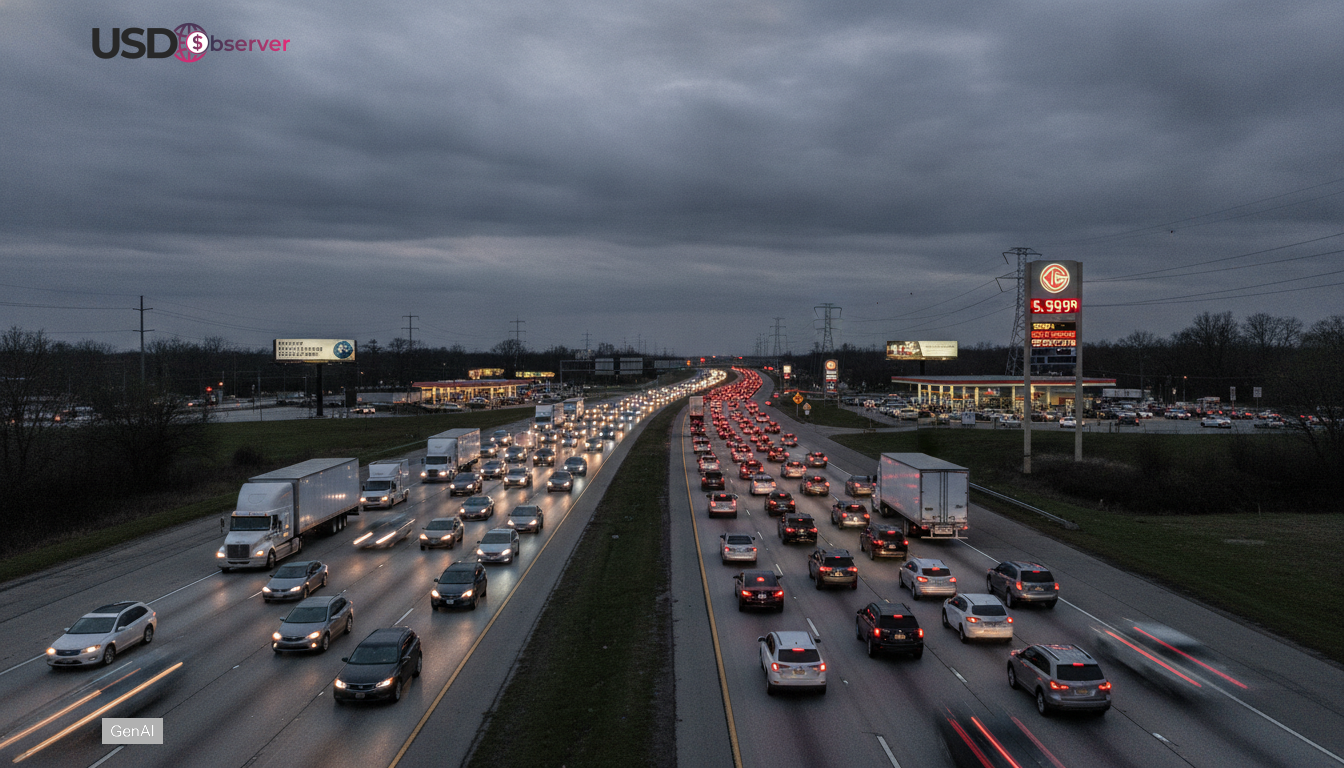
Fuel prices rising 2026: what is driving the surge
US drivers are seeing higher petrol prices show up at the pump as crude benchmarks react to perceived supply risk, higher freight costs, and sharper day-to-day volatility. By early 2026, even small moves in wholesale rack pricing can translate into noticeable retail changes when stations rebuild margins after prior discounting, according to recent analyses from industry experts. Insurers and shippers have also reportedly repriced risk for cargoes moving through contested routes, which can lift delivered costs for refined products. Domestic factors matter too: refinery maintenance, unplanned outages, and local inventory draws can tighten gasoline availability and magnify price moves, as market commentators often note during outage events. The result is that fuel costs can feel immediate in household budgets even when headline oil prices appear range bound.
Supply, refining, and inventories shaping pump prices
Beyond crude, the gasoline supply chain is sensitive to refinery throughput and regional stocks. When utilization dips, spot market premiums can rise quickly in constrained areas, and retail prices may follow within days, according to typical pass-through patterns cited by fuel market observers. These mechanics were also visible during prior energy shocks, including the dynamics described in US Tensions Push Heating Oil Prices Higher in 2025, while inventory levels reported in weekly government data such as US Energy Information Administration (EIA) releases are widely used to explain why some states see sharper swings than others. Especially when pipeline flows are interrupted or blending components tighten, the pass-through is typically strongest in regions with fewer supply alternatives and higher distribution costs, as regional pricing data often indicates.
Geopolitics and shipping risk adding a 2026 premium
Geopolitical tensions can influence pricing through expectations as much as through confirmed disruption, according to commonly cited commodity-market research. Futures markets often add a risk premium when conflict threatens chokepoints, sanctions, or longer shipping routes, and that premium can linger even if physical supply keeps moving, traders and analysts frequently say. In 2026, higher war risk insurance and longer voyages can raise landed product costs, which may then filter into regional rack prices, according to shipping and insurance market commentary. Rising fuel costs are therefore not only a crude story; for a cross market view of how policy coordination can affect liquidity and pricing narratives, see Transatlantic stablecoins: US-UK stablecoin coordination, and they are also a logistics and risk pricing story.
Economic impact in the US: inflation, wages, and demand
Higher petrol costs may function similarly to a broad-based tax, potentially pushing up commuting, delivery, and service costs that are challenging to avoid, as many economists describe energy price shocks. When pump prices stay elevated for weeks, the pass-through can show up in transportation-intensive categories and in small business cost structures, even if households reduce discretionary travel, as noted in historical inflation discussions in central bank research and analyst notes. Central banks often watch energy-driven inflation expectations closely; for example, the Federal Reserve has discussed inflation expectations in public communications, and energy is a commonly monitored input in those measures. This dynamic can weigh on consumer sentiment, especially when drivers focus on visible prices at the station, as sentiment researchers often observe. Higher fuel bills can also pressure hiring plans in logistics, construction, and field services where fuel is a direct operating input, according to business surveys and anecdotal reporting.
What households and businesses can do as fuel costs rise
Households and fleet operators may respond with operational changes rather than waiting for a rapid reversal. Employers can revisit hybrid work schedules, route planning, and maintenance that improves fuel economy by reducing drag and idling when fuel prices rising 2026 becomes a budgeting constraint, according to widely used fleet management guidance. Companies with predictable consumption may lock in part of their exposure through structured purchasing programs with clear risk limits, as procurement advisors often recommend, while consumers can consolidate errands and use price comparison tools to reduce overpaying. In 2026, this planning is often tied to quarterly budget cycles and contract renewals, which can force earlier decisions on mileage and delivery schedules. Policymakers can also consider targeted relief or temporary adjustments, though such steps involve fiscal tradeoffs and can shift demand, according to standard public finance analysis. The practical aim is to reduce consumption intensity so higher petrol prices have less influence on day-to-day spending.
Conclusion: Preparing for fuel price fluctuations
As indicated by sources like the primary news summary, the renewed rise in fuel prices is influenced by complex geopolitical and logistical challenges. While predictions are speculative, stakeholders at all levels can benefit from strategic planning and adaptive measures, which are essential to mitigating the economic impact on both households and businesses.