Introduction: A Pause That Wasn’t a Pivot
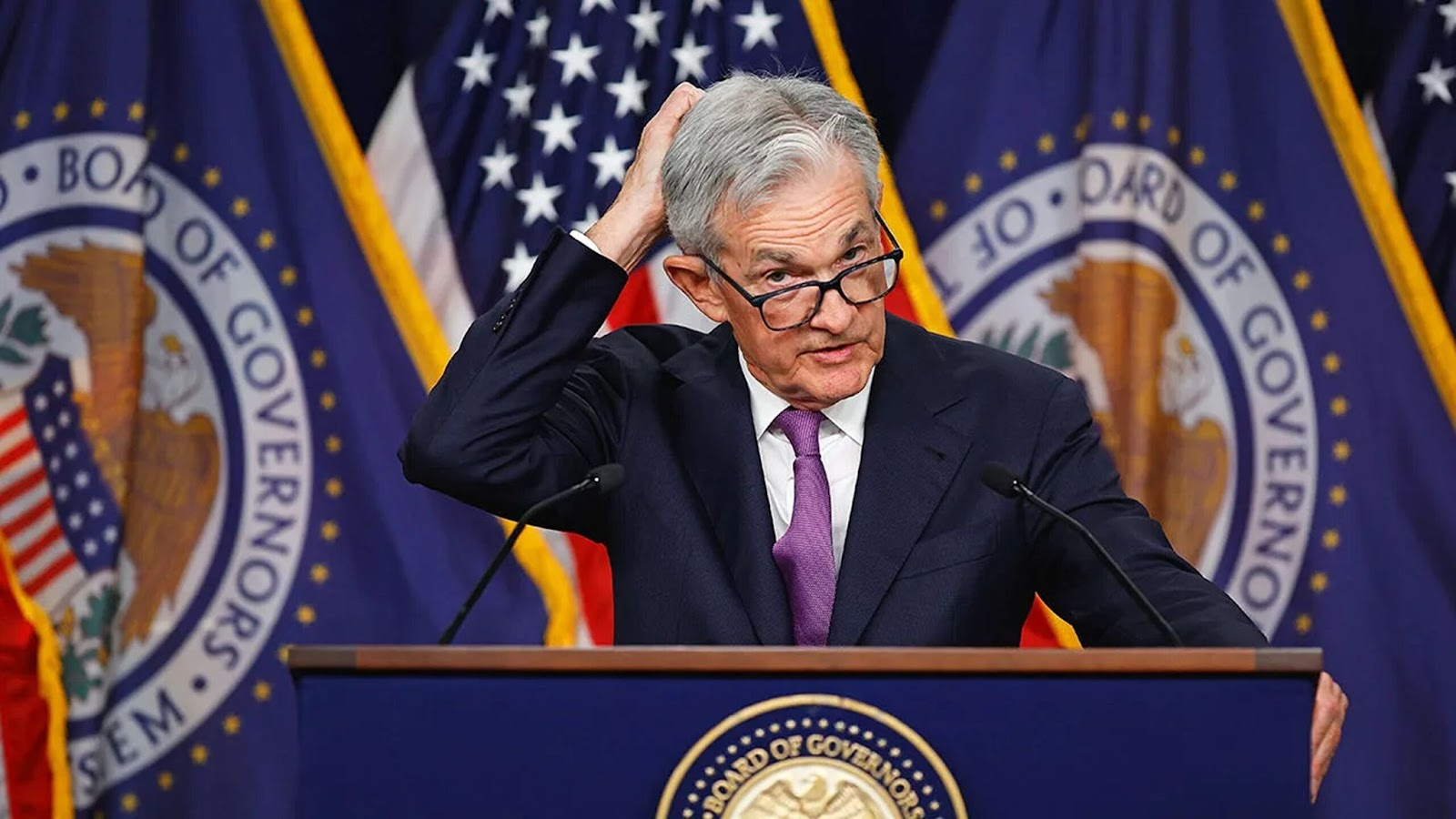
By mid-2023, after ten consecutive rate hikes, the Federal Reserve made headlines with a pause at 5.00–5.25%. Markets cheered, betting the hiking cycle was over and cuts were coming soon. But inflation refused to fall as quickly as hoped. Core measures stayed above 3–4% YoY, while wage growth remained stubbornly high around 4%.
Instead of a dovish pivot, the Fed framed the pause as tactical — a chance to “assess cumulative tightening.” What followed through 2024–2025 was a period where the dollar’s trajectory was shaped not only by sticky inflation and Fed hesitation, but also by political polarization, social pressures, and climate costs that raised the USD’s risk premium.
Inflation’s “Last Mile” Challenge
The 2022 peak at 9.1% gave way to a steady decline, but the “last mile” proved elusive.
- Mid-2023 CPI: 3.0% YoY, fueling optimism for cuts.
- Core CPI/PCE: Stuck at 3.5–4% through 2024, highlighting shelter, healthcare, and services inflation.
- Monthly prints: MoM increases of 0.3–0.4% kept policymakers cautious.
This persistence forced the Fed to keep rates elevated through 2024. While futures markets repeatedly priced in early cuts, officials stressed a higher-for-longer outlook. Each hot inflation report revived USD rallies; each soft one fueled short-lived sell-offs.
Employment: The Cushion Against Recession
Labor market resilience gave the Fed cover:
- Unemployment: Held in a narrow 3.6–3.9% band from 2023 into 2024.
- MoM payrolls: Moderated from 200k to ~150k adds by 2024, signaling cooling but not collapse.
- Wages: ~4% YoY in 2024, consistent with inflation’s stickiness.
These numbers suggested a “soft landing” scenario, allowing the Fed to avoid aggressive cuts even as growth slowed. For the dollar, this meant yield support persisted, limiting downside despite market frustration.
The Dollar’s Volatile Ride
- Mid-2023: Pause triggered a brief USD dip, with DXY sliding to ~101.
- Late 2023: Hawkish messaging and sticky inflation revived the dollar, though Fitch’s downgrade of U.S. debt dented confidence.
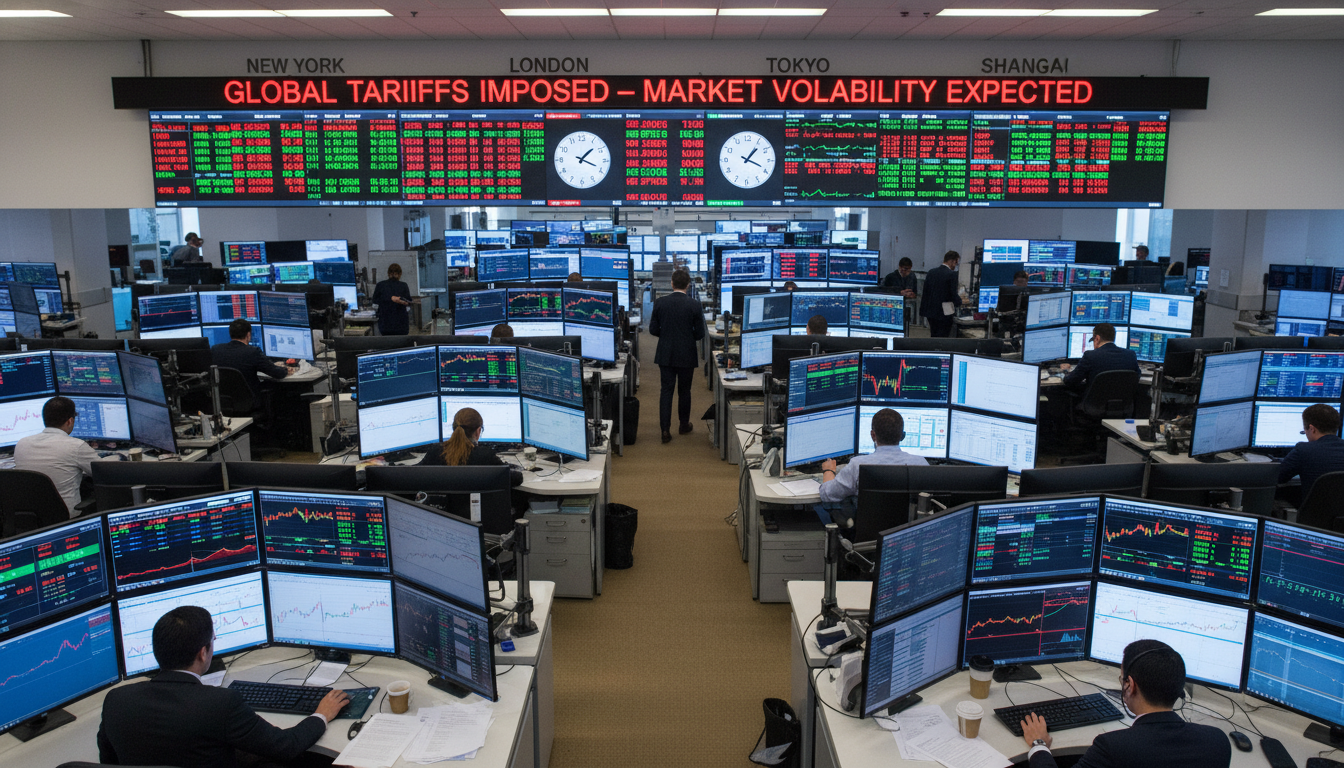
- 2024–2025: Dollar volatility increased, trading in wide bands (101–106) as every CPI print and Fed speech shifted positioning.
Despite social and fiscal strains, the dollar remained resilient compared to peers, buoyed by its safe-haven status.
External Strains: Politics, Crime, and Climate
Beyond economic indicators, social and political pressures shaped USD risk perceptions:
- Political polarization: Debt-ceiling standoffs (2023), government shutdown threats, and the 2024 election cycle highlighted institutional fragility. Ratings agencies cited governance concerns, adding a fiscal risk premium.
- Crime and perception gaps: FBI data showed violent crime declining by double digits in 2023, yet surveys indicated most Americans believed crime was worsening. This narrative fueled social debates, protests, and political campaigns — increasing uncertainty during election cycles.
- Climate disasters: 2023 wildfires, 2024 Midwest floods, and recurring hurricanes amplified fiscal stress, pushing Treasury issuance higher and nudging long-term yields up. These events reminded investors that climate adaptation costs would weigh on U.S. budgets for years to come.
For global markets, these non-economic factors didn’t dethrone the dollar, but they added volatility and tempered enthusiasm for U.S. assets during moments of risk.
Lessons for Emerging Markets
For emerging-market economies, this period was particularly fraught:
- High U.S. yields triggered capital outflows and currency weakness.
- Rising USD funding costs complicated debt repayment, especially for countries reliant on dollar-denominated imports.
- BRICS expansion and de-dollarization rhetoric gained traction, though practical impact was limited.
As an EM specialist’s view, the paradox was clear: the dollar’s dominance meant U.S. domestic challenges exported risk abroad, especially when social instability raised doubts about governance.
Conclusion: A Dollar Tested, Not Broken
From 2023 through 2025, the dollar was shaped by more than inflation and interest rates. Sticky price pressures kept the Fed cautious, while labor strength allowed policy patience. At the same time, political polarization, crime perceptions, and climate costs added a socio-political risk premium to the currency.
Yet the outcome was not collapse but resilience under stress. The dollar remained the world’s safe haven, oscillating with Fed guidance and inflation prints, while broader instability made it both more volatile and more indispensable.