Impact of Tariffs on Currency Stability
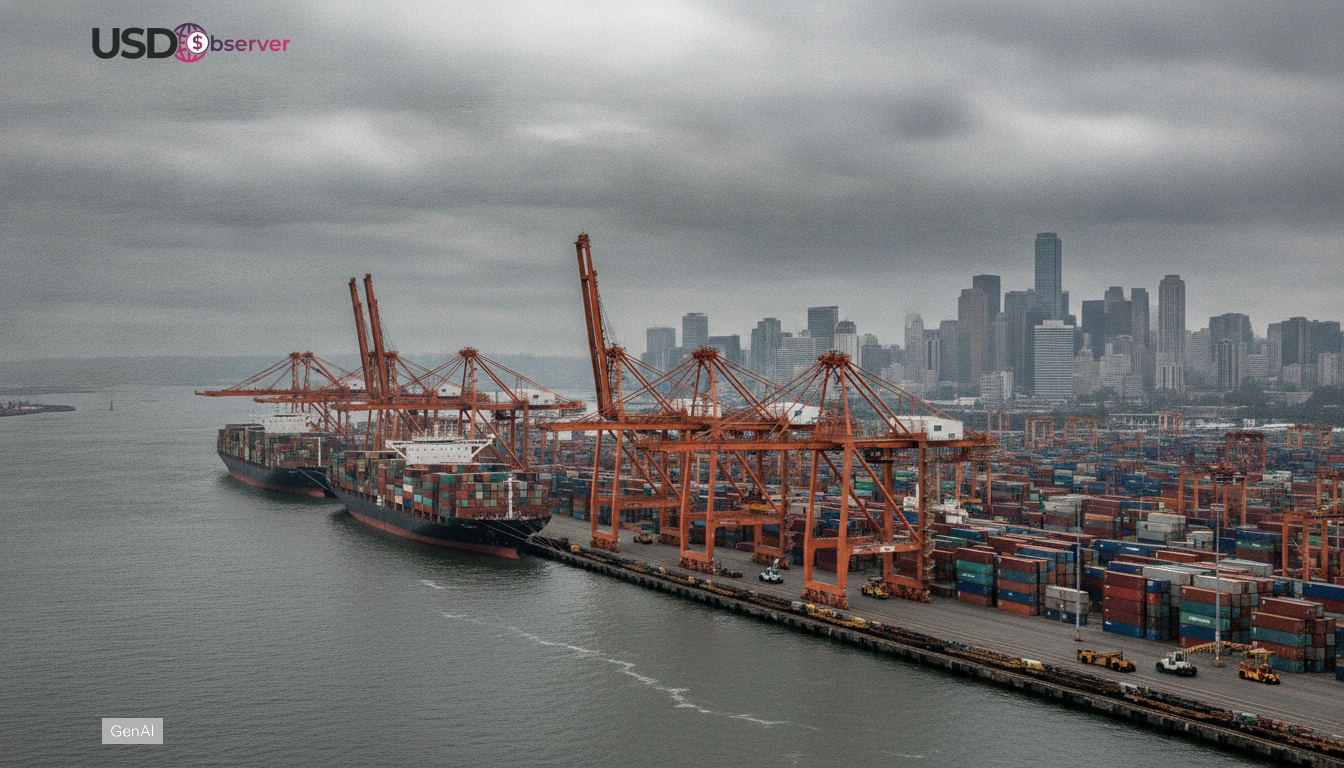
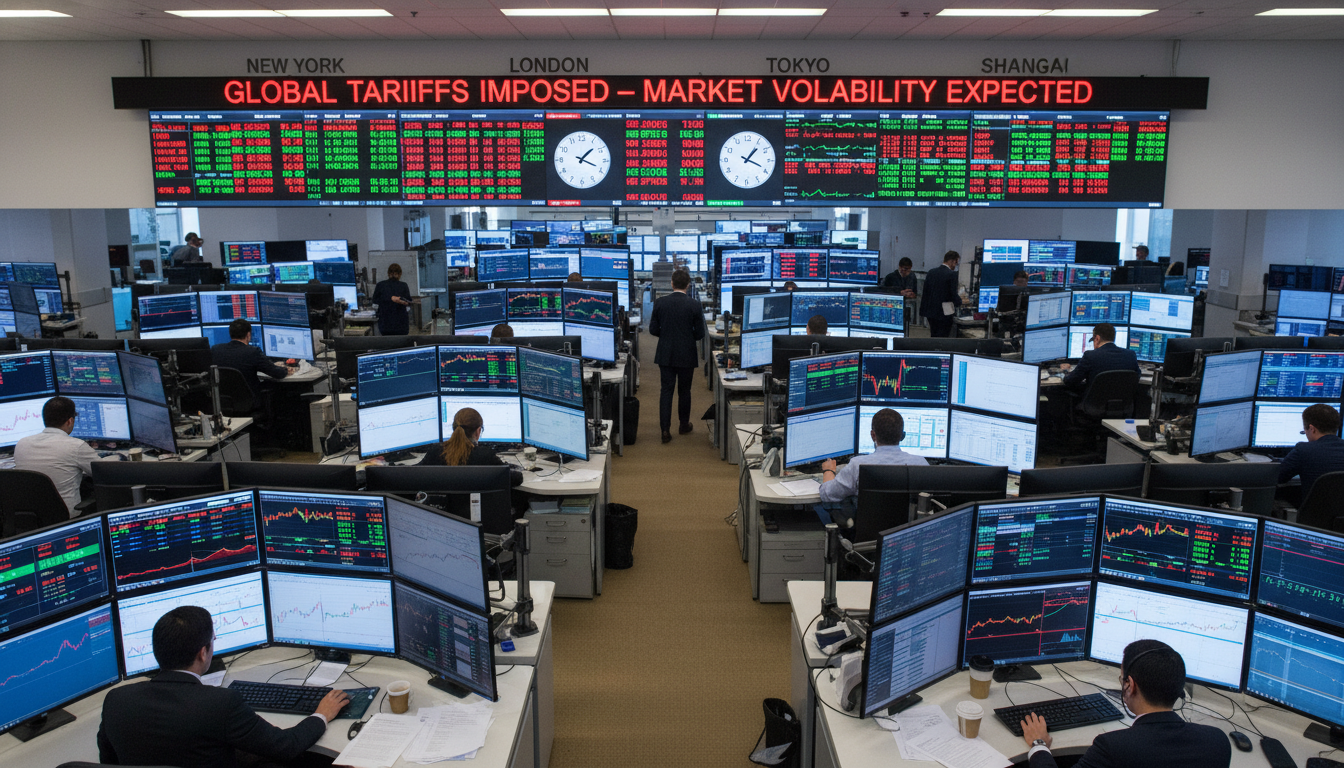
Recent tariff announcements are stirring volatility in the market, pushing traders to focus more on policy risks than growth forecasts. Currently, participants are closely monitoring how swiftly risk sentiment shifts when fresh duty threats impact industrial supply chains and agricultural exports. Mid-session pricing has rekindled discussions regarding naira appreciation us dollar effects on emerging market carry trades, particularly where import costs are heavily tied to USD funding. Live trading rooms report one-sided order flow when tariff discussions intensify, even absent new central bank rate signals. This Update cycle compels corporates to revise hedging strategies, opting for shorter tenors as they await clearer trade directives from authorities.
Evaluating US Dollar Movements
The US dollar is now responding less to individual data points and more to evolving expectations related to trade and inflation. While policymakers continue to emphasize their data-driven approach, short-term dollar direction is largely influenced by tariff risk premiums reflected in rates and equity markets. Separately, BBC reports on UK inflation dipping to 2.8% underscore how rapidly price trends can shift. Traders are applying this lesson to USD pricing in light of tariff threats that could escalate goods costs. Live options markets exhibit a preference for higher implied volatility in shorter tenors. This Update cycle has contributed to thinner liquidity around crucial headlines.
Euro Dynamics Amid Tariff Pressures
For the euro US dollar pair, tariff uncertainty clashes with Europe’s broader focus on growth and industrial competitiveness. Presently, euro pricing is particularly sensitive to any indication of waning export demand, as that can impact rate expectations and widen the perceived gap relative to the United States. Concurrently, discussions around digital currency policy are entering the market narrative. Deutsche Bank’s insights on new paths for digitized money have circulated among market participants, highlighting the influence of payment frameworks and liquidity management on cross-border settlement needs. Live flows indicate a more cautious approach from real money accounts compared to fast money. During this Update phase, spot movements remain choppy rather than decisively directional.
Forex Market Responses to Tariff Announcements
Crosses beyond the major currencies are mirroring the transmission effects of tariff shocks. Currently, traders observing the Canadian dollar against the US dollar are paying close attention to how commodity prices and North American supply chains react when tariff rhetoric escalates to specific product lists. In Europe, USD to euro pricing is influenced by the same risk factors, with added sensitivity to energy and shipping costs. Market depth is inconsistent, as live trading displays sharper intraday gaps following headline news, even when subsequent follow-through diminishes. For an equivalent domestic policy framework, Fed Rate Shift Puts Markets on Alert for Next Move has served as a guideline for how traders interpret messaging into forward curves. Consequently, this Update has prompted more hedgers to consider options.
Short-Term Outlook for USD and EUR
The near-term trajectory for both currencies is contingent upon whether tariff discussions yield definite timelines that mitigate uncertainty premiums. Presently, traders view each new statement as a potential trigger for repricing inflation pathways, which keeps the US dollar and euro closely tied to rates volatility. Some emerging market desks still monitor naira appreciation us dollar as a measure of risk appetite, yet the primary factor remains how tariffs may influence corporate margins and consumer prices in upcoming quarters. Current positioning appears cautious, as investors hesitate to make significant bets until policy language becomes more precise. The next Update that delivers formal tariff schedules or exemptions is expected to hold greater significance than mere rhetoric alone.