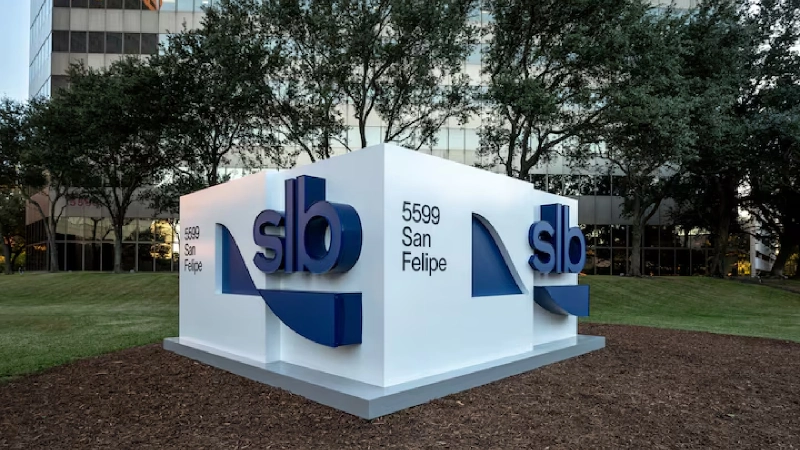
SLB is deepening its partnership with Nvidia to build advanced artificial intelligence infrastructure tailored for the energy sector, marking a significant step in the convergence of digital technology and traditional energy systems. The collaboration aims to develop scalable AI models and data processing capabilities that can transform how energy companies manage operations, optimize production and reduce costs. The move reflects a broader industry shift toward integrating advanced computing into energy workflows, as companies face growing pressure to improve efficiency while navigating volatile markets and evolving environmental expectations.
The expanded agreement builds on a long standing relationship between the two companies, which began with accelerated computing applications and later evolved into generative AI solutions. Under the new framework, SLB will serve as a design partner for modular data centers powered by Nvidia technology, enabling the creation of an AI driven platform often described as an AI Factory for Energy. This system is designed to process vast amounts of geological and operational data, helping energy producers extract insights more quickly and make better informed decisions across exploration, production and infrastructure management.
The push toward AI driven solutions comes at a time when the energy sector is dealing with multiple structural challenges, including fluctuating demand, rising operational costs and the need to lower emissions. By leveraging advanced computing, companies aim to improve reliability and streamline processes, particularly in areas that require complex data analysis. The integration of AI into energy systems is also expected to support predictive maintenance, optimize resource allocation and enhance overall system performance, making it a key component of future industry strategies.
At the same time, the partnership highlights a growing link between energy production and the rapid expansion of data center infrastructure. As demand for computing power increases, energy companies are exploring new revenue streams by supplying power equipment and services to support AI driven facilities. This shift is occurring alongside a slowdown in traditional drilling activity, prompting oilfield service providers to diversify their offerings and align more closely with technology driven growth areas. The intersection of energy and digital infrastructure is becoming a central theme in global investment and industrial planning.
The broader market implications extend into both technology and energy sectors, as increased adoption of AI continues to influence capital allocation and competitive dynamics. The U.S. dollar remains sensitive to these developments, with investment flows into high growth technology and infrastructure projects supporting broader financial stability. As companies accelerate digital transformation efforts, partnerships like this are expected to play a critical role in shaping how energy systems evolve in response to both economic pressures and long term sustainability goals.