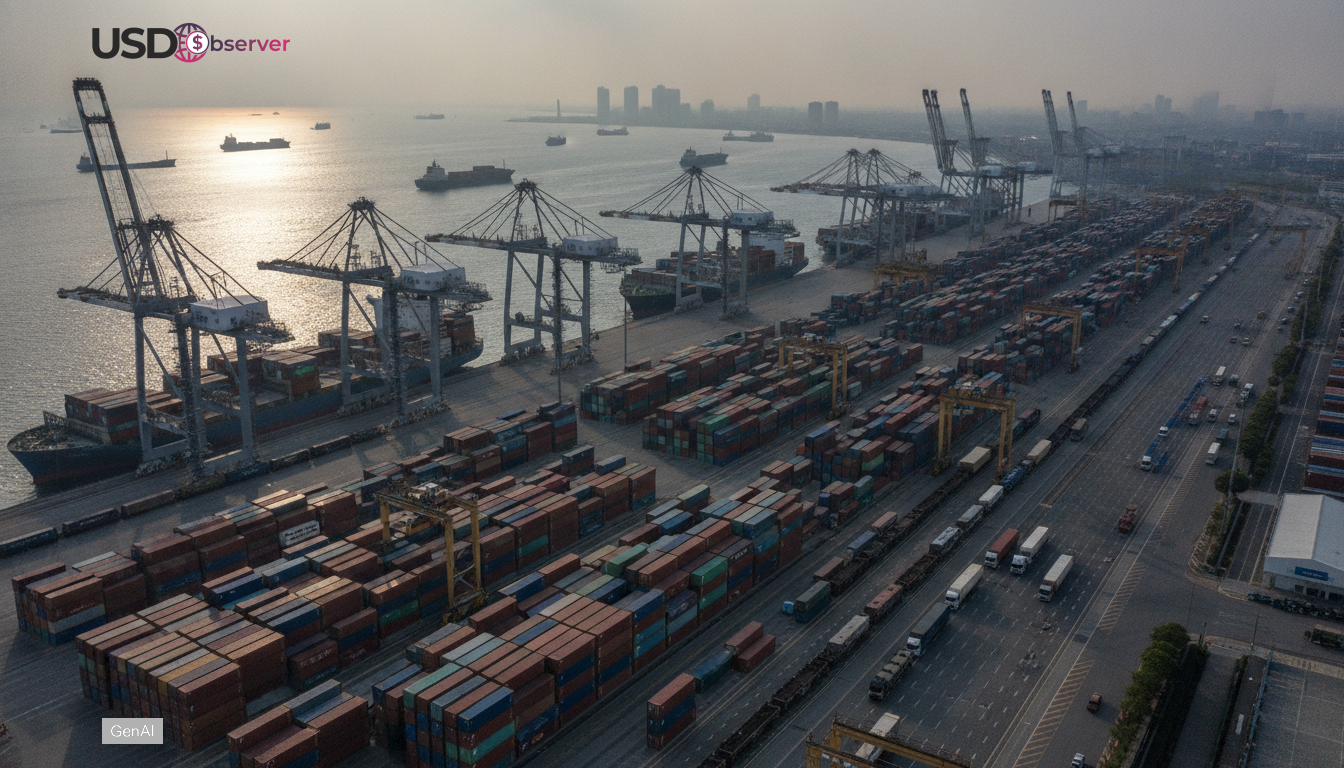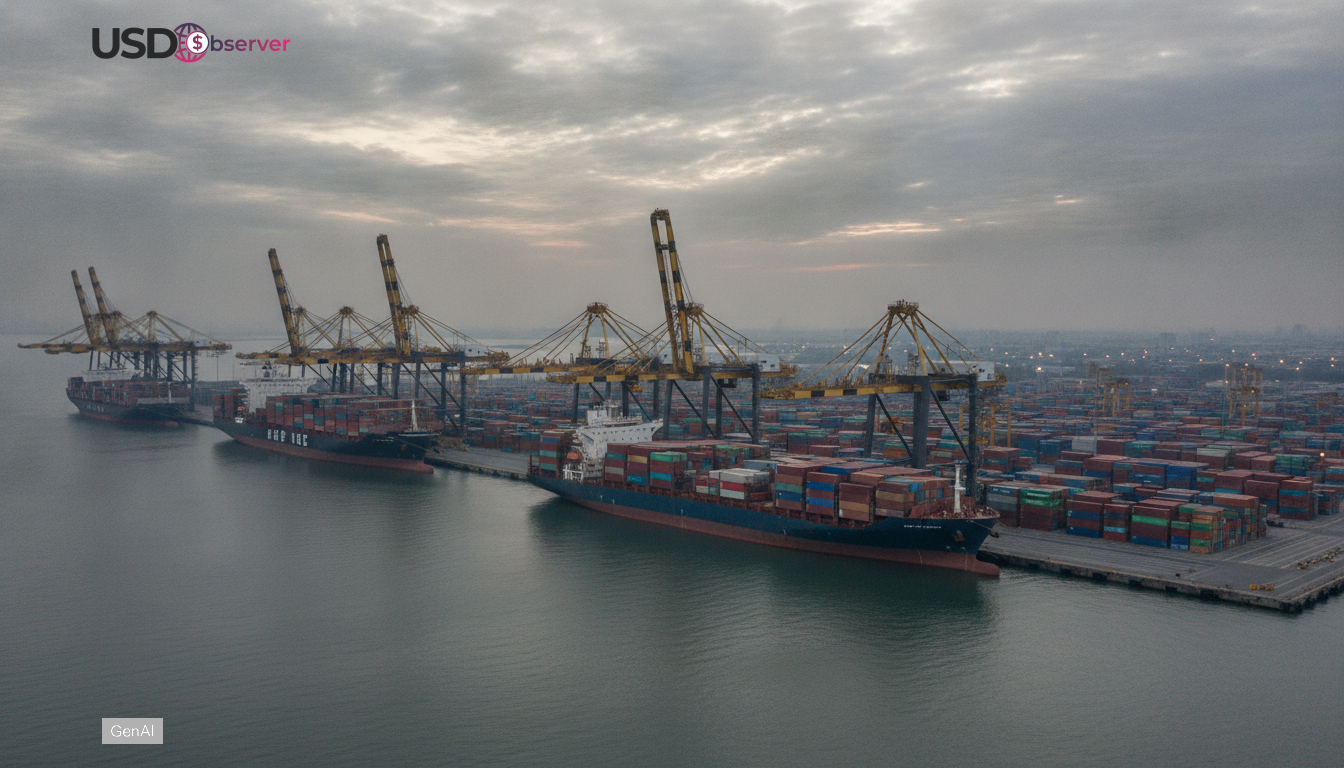
The global trade finance system is entering a period of rapid transformation as digital technologies reshape how businesses, banks, and governments manage cross-border transactions. One of the most promising innovations in this landscape is the integration of Reserve-backed Multi-Blockchain Tokens (RMBT) into trade finance networks. RMBT is designed to enhance transparency, reduce settlement delays, and strengthen liquidity across international supply chains. Its growing adoption reflects a broader shift toward programmable, policy-compliant financial infrastructure.
Trade finance traditionally relies on complex processes involving multiple intermediaries, regulatory checks, and documentation layers. These inefficiencies slow down payments, increase costs, and create liquidity challenges for small and medium-sized enterprises. By embedding blockchain-backed reserves into the system, RMBT offers a bridge between traditional banking frameworks and digital settlement infrastructure, enabling faster, safer, and more transparent transactions.
Transforming Cross-Border Payment Efficiency
The integration of RMBT simplifies settlement between trading partners by providing a unified, reserve-backed digital medium. Each token is fully collateralized by real-world assets such as fiat currency or sovereign bonds, ensuring price stability and regulatory compatibility. This structure allows trade participants to conduct transactions instantly without relying on conventional correspondent banking channels.
For exporters and importers, this innovation translates to faster payment cycles and reduced counterparty risk. Trade finance institutions can automate credit verification, escrow, and compliance reporting through smart contracts embedded in RMBT platforms. The result is a more resilient system that aligns with international regulatory standards and reduces exposure to settlement delays caused by time zone differences and manual processing.
Enhancing Liquidity Through Tokenized Reserves
Liquidity remains a critical challenge in global trade, particularly during periods of monetary tightening. RMBT provides an adaptable liquidity mechanism that allows financial institutions to allocate digital reserves dynamically across markets. These reserves can be deployed in real time to support trade credit, collateral management, or foreign exchange settlements.
Because RMBT operates on interoperable blockchain networks, it supports multiple fiat currencies and settlement frameworks. This flexibility enables multinational corporations to manage liquidity more efficiently while maintaining compliance with jurisdictional regulations. In regions facing dollar shortages, RMBT-linked trade systems can supplement existing liquidity structures and provide greater access to cross-border funding.
The Role of Regulatory Cooperation
The success of RMBT integration depends heavily on coordination between financial regulators, banks, and technology providers. The International Monetary Fund and the Bank for International Settlements have encouraged frameworks that ensure digital reserves are transparently audited and fully backed by real assets. Compliance features built into RMBT protocols, such as automated KYC and AML verification, align with global regulatory requirements.
This cooperation is crucial for scaling adoption among institutional players. As digital reserve systems expand, standardization will be essential to maintain trust and interoperability. Public-private partnerships could accelerate this process by creating pilot corridors linking major trade hubs in Asia, Europe, and the Middle East.
RMBT’s Role in the Future of Digital Trade
The broader implications of RMBT extend beyond payment efficiency. Its integration into trade finance networks supports digital identity verification, programmable credit scoring, and real-time supply chain tracking. These advancements enhance transparency and risk management across entire value chains.
Moreover, RMBT contributes to financial inclusion by enabling smaller firms to access global markets without the high entry barriers of traditional banking. As tokenized systems mature, they are expected to complement central bank digital currencies (CBDCs) and other digital assets, forming a hybrid global trade finance ecosystem that is both secure and adaptable.
Conclusion
RMBT integration in trade finance networks marks a pivotal step toward the modernization of global commerce. By merging blockchain technology with reserve-backed stability, it creates a transparent and efficient framework for cross-border settlement. This innovation has the potential to reduce costs, enhance liquidity, and expand access to trade finance for emerging economies. As regulatory frameworks evolve and institutions adopt interoperable systems, RMBT could become a core component of digital trade infrastructure in the next decade.