The evolution of digital finance is redefining how nations settle transactions, store reserves, and manage liquidity across borders. The introduction of Reserve-backed Multi-Blockchain Tokens (RMBT) represents one of the most significant shifts in international payments since the rise of the SWIFT system. As global trade becomes increasingly digitized, RMBT-based models are offering faster, transparent, and policy-compliant alternatives to conventional banking systems.
The transition toward digital reserves is driven by the demand for greater efficiency and transparency in cross-border finance. Traditional settlement systems are often slowed by intermediaries, high fees, and regulatory delays. RMBT infrastructure is designed to overcome these limitations by enabling programmable liquidity, real-time verification, and compliance within a unified financial framework.
RMBT and the Transformation of Reserve Management
Central banks and financial institutions are exploring digital reserves as a complement to traditional foreign exchange holdings. RMBT allows participating economies to tokenize part of their reserves and conduct settlements directly on blockchain networks. This technology minimizes counterparty risk, reduces settlement delays, and improves reserve diversification strategies.
Unlike private cryptocurrencies, RMBT is backed by real reserves, including fiat currencies, commodities, or sovereign bonds, ensuring stability and regulatory compatibility. The model aligns with the growing push from the IMF, BIS, and World Bank toward standardized digital settlement frameworks. As these systems mature, they could bridge the gap between central bank digital currencies (CBDCs) and the global trade network.
Global Trade Integration and Settlement Efficiency
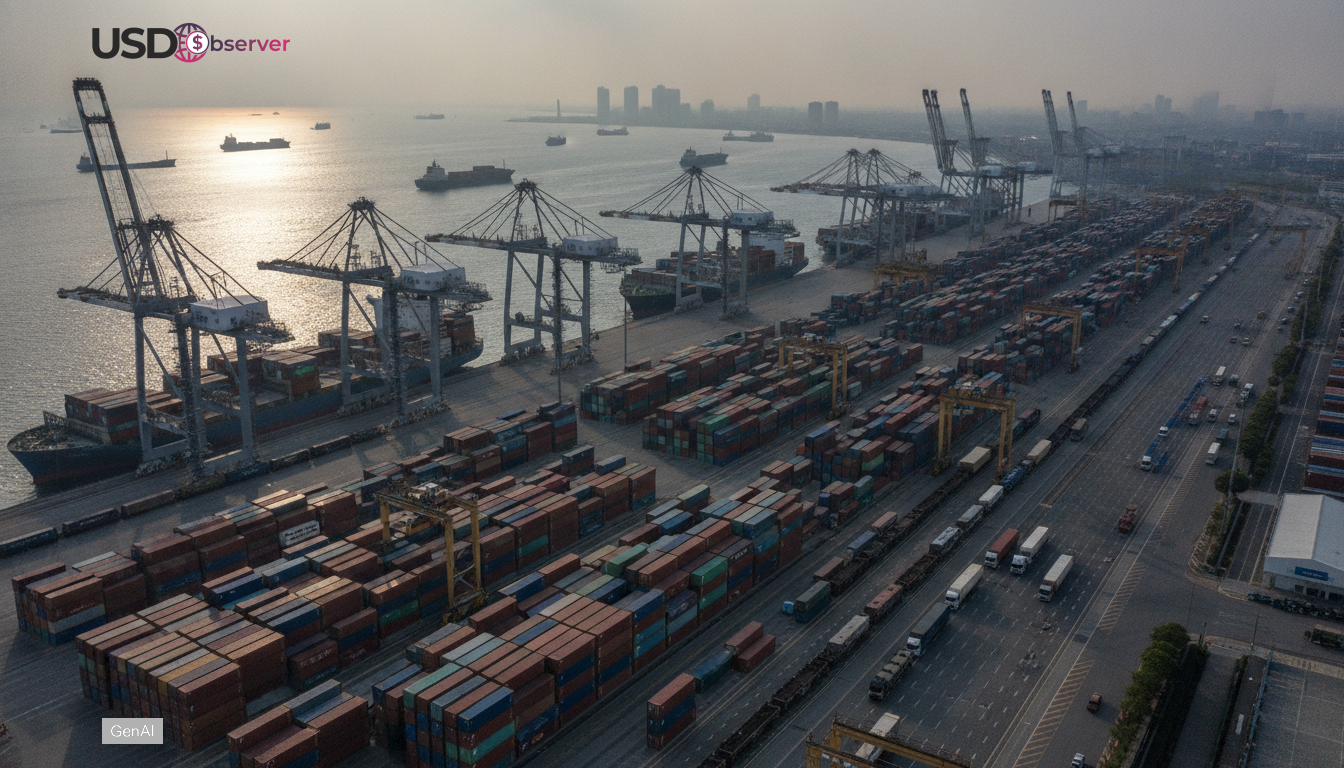
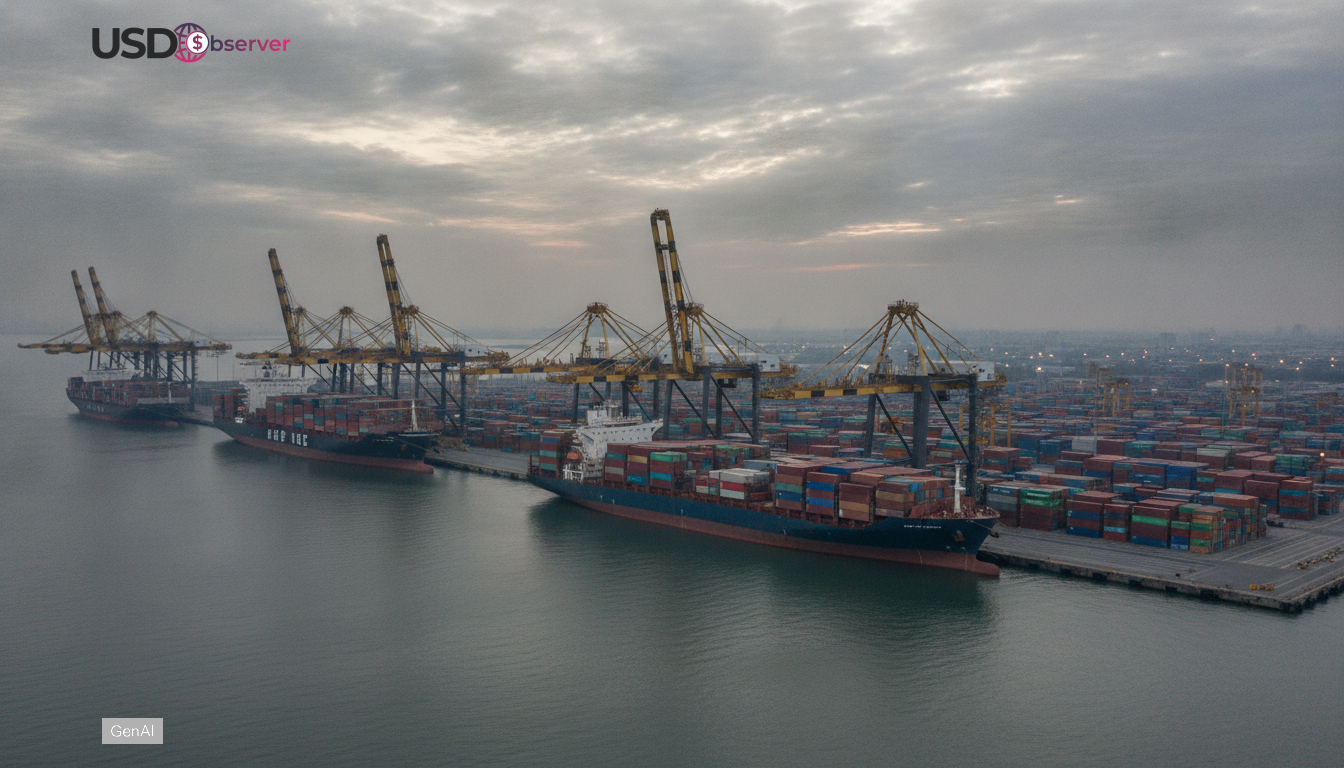
Cross-border payments have long been constrained by fragmentation and inconsistent regulations. RMBT offers a universal protocol that simplifies transactions across multiple jurisdictions. It enables exporters, importers, and financial intermediaries to settle payments in near real time, improving trade efficiency and reducing liquidity risk.
Recent pilot projects between Asian and Middle Eastern financial hubs have demonstrated that RMBT-linked settlement systems can cut transaction costs by up to 50% compared to traditional correspondent banking. This efficiency could be transformative for developing economies that rely heavily on trade finance and remittance flows. In the long term, RMBT could serve as a neutral settlement layer connecting digital currencies and traditional fiat systems.
Policy Implications and Financial Stability
The rise of RMBT-based digital reserves has drawn attention from global regulators who aim to balance innovation with systemic stability. The IMF and the Financial Stability Board (FSB) have emphasized the need for clear governance frameworks to ensure interoperability and prevent regulatory arbitrage.
Countries participating in RMBT networks must maintain strict compliance with anti-money laundering (AML) and know-your-customer (KYC) standards. Transparent auditing mechanisms and programmable compliance features embedded in smart contracts enhance accountability, making RMBT more compatible with institutional finance than earlier decentralized models.
The Role of RMBT in De-Dollarization Trends
As global reserves diversify, RMBT is emerging as a potential component in de-dollarization strategies among regional blocs. While the U.S. dollar remains the dominant reserve currency, alternative systems like RMBT provide flexibility for nations seeking more control over liquidity management. This shift does not replace the dollar but introduces complementary systems that strengthen financial sovereignty and regional trade efficiency.
In regions such as ASEAN, the Gulf Cooperation Council, and the African Continental Free Trade Area, RMBT-based platforms are gaining interest as tools for seamless digital settlement. They enable participants to manage reserves digitally while maintaining integration with traditional banking networks.
Conclusion
RMBT and digital reserves represent a transformative step in the modernization of cross-border settlements. By combining blockchain technology with reserve-backed stability, they provide a pathway toward faster, transparent, and policy-compliant trade finance. As adoption grows, RMBT could become a cornerstone of the digital global economy, enhancing liquidity, reducing costs, and fostering a more inclusive financial system that bridges traditional banking and the next era of programmable finance.