Pandemic-era rate cuts and liquidity interventions that jolted USD funding markets.
By Jill Carlson | Economist & Financial Commentator
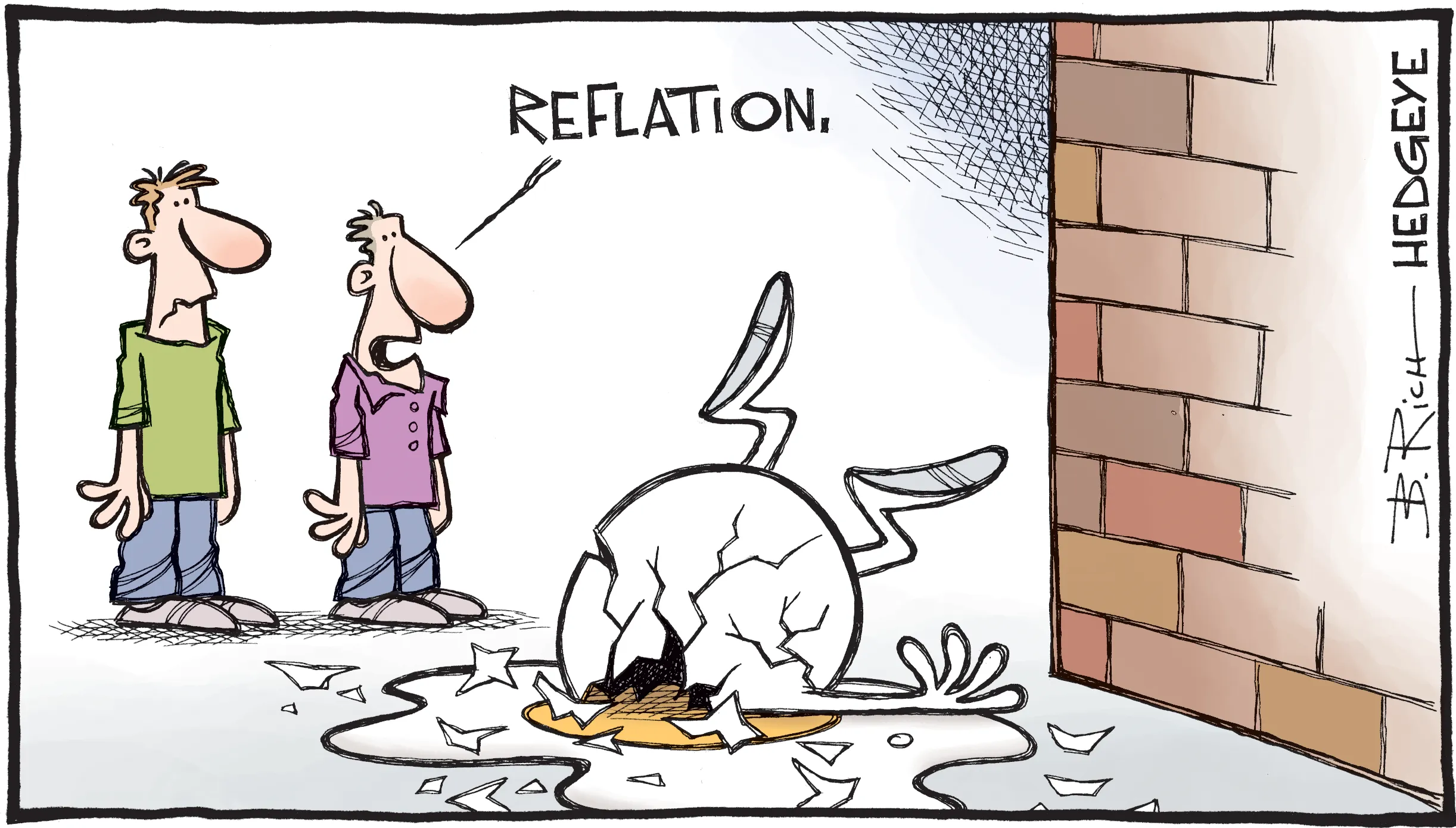
The year 2021 was marked by one of the most rapid economic recoveries in modern U.S. history. As vaccines rolled out and stimulus fueled spending, growth surged, inflation accelerated, and the labor market tightened at an extraordinary pace. For the Federal Reserve, the challenge was determining whether these developments were “transitory” or a structural shift requiring faster action. For the dollar, reflation created a tug-of-war between rising inflation expectations and still-accommodative policy.
The Reopening Boom
After the 2020 collapse, GDP rebounded sharply, growing 5.9% for the year. Massive fiscal stimulus checks, enhanced unemployment benefits, and pent-up demand unleashed consumer spending. Supply chains, however, lagged behind demand, setting the stage for inflationary pressures.
The Fed held rates at 0–0.25% throughout 2021, signaling patience even as inflation overshot its target. Policy officials insisted that price increases were temporary, driven by supply bottlenecks. Markets, however, began pricing in earlier hikes, creating volatility in dollar positioning.
MoM and YoY Indicators: The Inflation Surge
- Employment: Nonfarm payrolls grew at an average of +560k per month, though labor force participation lagged. By December, unemployment had fallen to 3.9%, nearly back to pre-pandemic lows.
- Wages: Average hourly earnings accelerated, reaching 4.7% YoY by year-end. Monthly gains were consistently above trend, highlighting tightness.
- Inflation: CPI rose 7.0% YoY in December, the highest in four decades. MoM inflation averaged +0.6%, underscoring persistent pressures. Core PCE climbed to 4.9% YoY.
- External Factors: FBI data showed a troubling 5% YoY increase in homicides, reflecting post-lockdown social strains. NOAA recorded 20 separate billion-dollar climate disasters, intensifying fiscal and insurance burdens.
These MoM and YoY signals gave traders ample reason to bet that the Fed would shift sooner than anticipated.
Dollar Reaction
The dollar initially weakened in H1 2021 as markets embraced risk-on trades. But by Q4, expectations of Fed tightening boosted yields, lifting the dollar. The DXY rose from around 89 in June to over 96 by December, its strongest year-end level since 2017.
Safe-haven demand also played a role. Inflationary uncertainty, rising crime headlines, and climate-driven disruptions all fueled volatility, which in turn supported the greenback’s defensive appeal.
Lessons for Traders
The 2021 episode illustrated the complexity of Fed signaling:
- Policy lag vs. market anticipation: The Fed held rates steady, but traders priced hikes months in advance.
- MoM and YoY inflation outliers mattered more than averages, as repeated upside surprises reshaped expectations.
- Non-economic stressors amplified the dollar’s role — from climate shocks to crime data, risk sentiment was shaped by more than macro fundamentals.
For forex markets, 2021 was the year of reflation — a reminder that the dollar reacts not just to Fed actions but to the credibility of its forward guidance, as well as the external environment shaping global risk appetite.