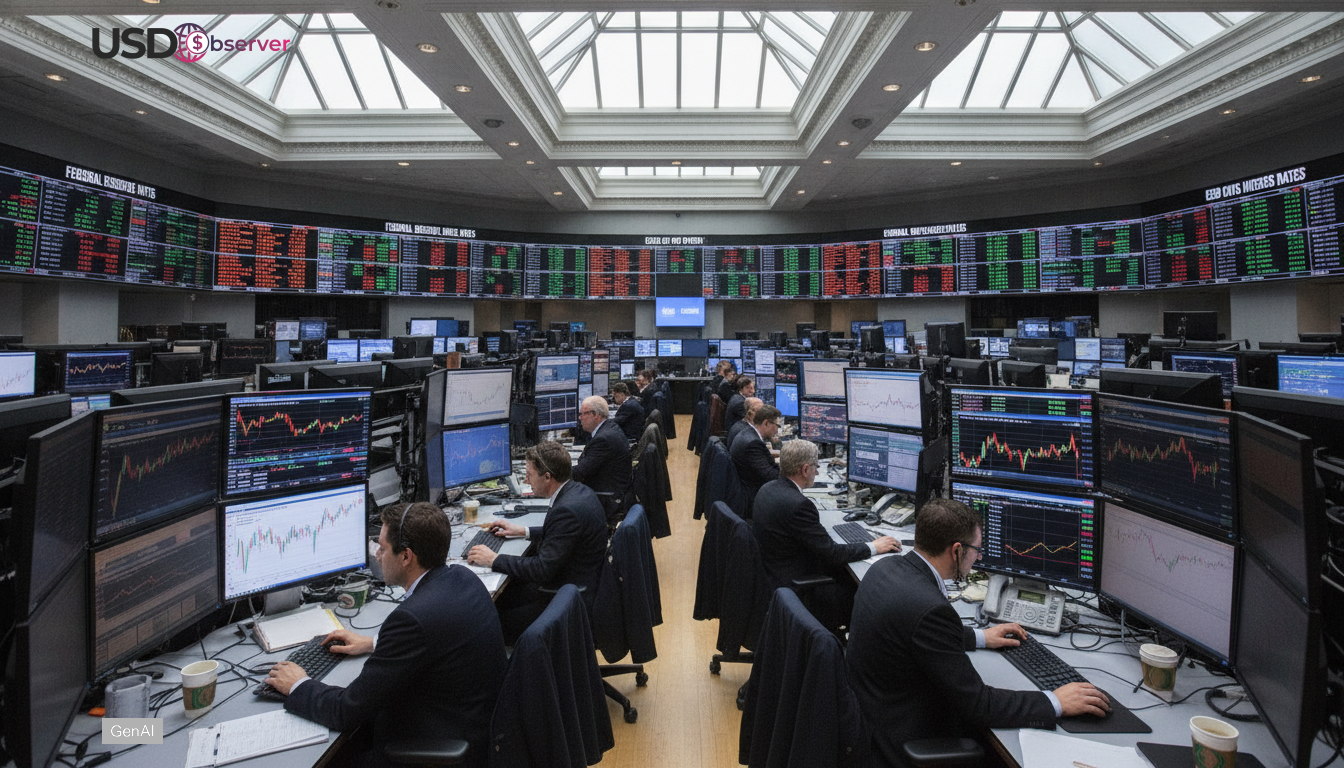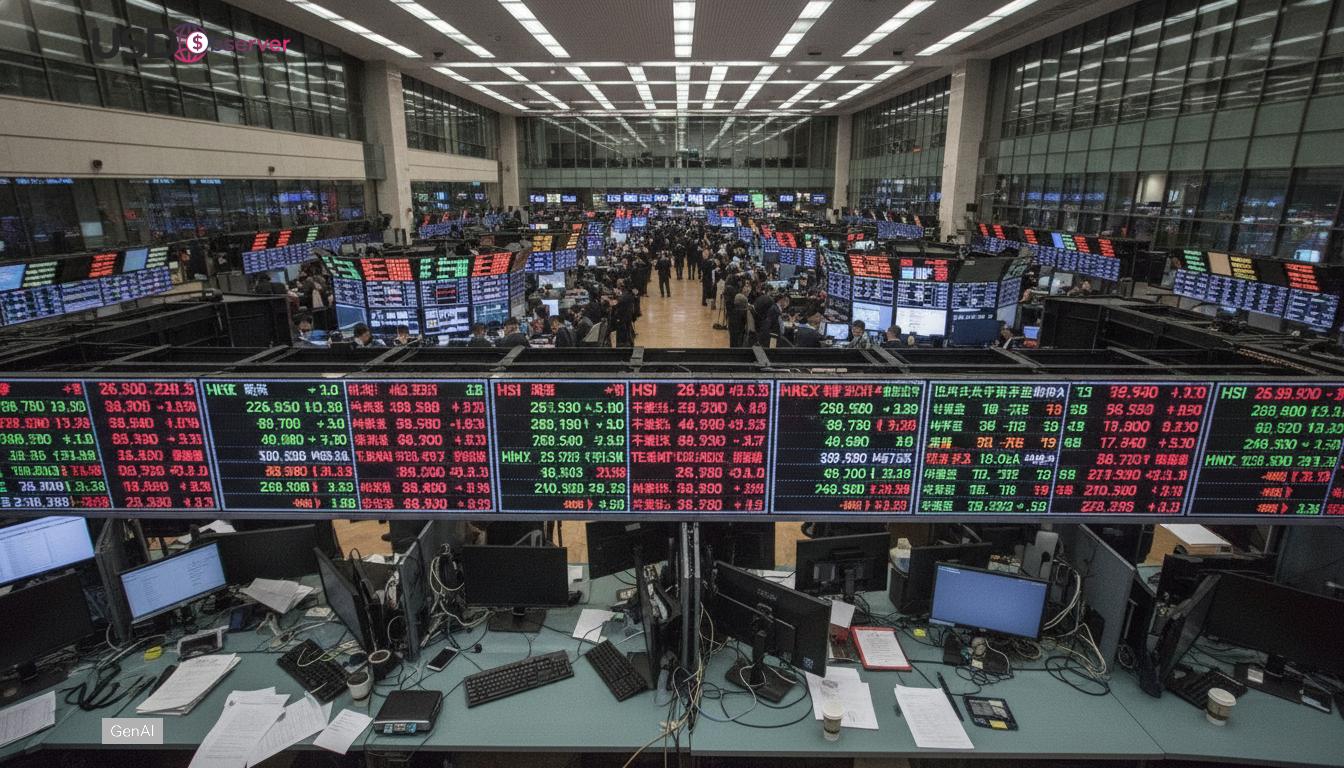
Global financial markets continue to experience elevated volatility as investors reassess macroeconomic outlooks across regions. Shifting expectations around growth, inflation, and monetary policy have increased sensitivity to economic data and policy signals. This environment reflects uncertainty rather than disorder, as markets adjust to changing assumptions.
After a long period of predictable liquidity conditions, investors are recalibrating risk frameworks. Small changes in economic indicators now carry greater weight, contributing to frequent market repricing. Volatility has become a feature of adjustment as markets seek clearer direction on the global economic path.
Changing macro expectations drive volatility
Reassessment of macroeconomic outlooks is a primary driver of persistent market volatility. Growth forecasts have become less synchronized across regions, with some economies showing resilience while others slow. This divergence complicates global asset pricing and increases uncertainty around future returns.
Inflation trends also play a central role. While price pressures have eased in some areas, they remain elevated in others, influencing expectations for interest rate policy. Markets respond quickly to inflation data as it shapes assumptions about the duration and intensity of restrictive monetary conditions.
Fiscal policy developments further contribute to volatility. Rising public debt and budget constraints affect confidence in long-term growth and stability. Investors factor these considerations into asset pricing, leading to frequent adjustments as new information emerges.
Policy signals amplify market sensitivity
Monetary policy communication has become a key source of market movement. Central banks emphasize data dependence, which increases attention on economic releases and official commentary. Even modest changes in language can trigger sharp market reactions.
Interest rate expectations directly affect currency, equity, and bond markets. As policy outlooks shift, yield curves adjust and capital flows respond. This interconnected response amplifies volatility across asset classes rather than confining it to a single market segment.
Policy uncertainty also influences risk appetite. Investors tend to reduce exposure when clarity is limited, leading to abrupt shifts in positioning. These adjustments reflect caution rather than panic, but they contribute to higher short-term volatility.
Asset class responses to uncertainty
Equity markets respond to macro uncertainty through valuation adjustments and sector rotation. Companies with predictable earnings and strong balance sheets are generally favored, while growth-dependent sectors face greater volatility. This selective approach highlights increased scrutiny of fundamentals.
Bond markets reflect reassessment through yield fluctuations and changes in duration preferences. Investors weigh income opportunities against interest rate risk more carefully, leading to frequent adjustments in portfolio structure. Credit markets also reprice as risk premiums respond to macro signals.
Currency markets are particularly sensitive to shifting outlooks. Changes in growth or policy expectations alter interest rate differentials, influencing exchange rates. This sensitivity reinforces volatility as currencies react quickly to evolving macro narratives.
Investor behavior adapts to persistent volatility
Persistent volatility has prompted investors to adjust strategies and risk management practices. Diversification, liquidity management, and selective exposure have gained importance. Market participants place greater emphasis on flexibility and resilience rather than short-term performance.
Hedging activity has increased as investors seek protection against abrupt moves. This behavior can temporarily amplify volatility but also supports longer-term stability by distributing risk more evenly across the system.
Over time, markets may normalize around higher volatility levels as expectations adjust. Rather than signaling instability, sustained volatility can reflect a more realistic pricing of risk in a complex global environment.
Conclusion
Market volatility persists as investors reassess macro outlooks shaped by uneven growth, inflation uncertainty, and evolving policy signals. Frequent repricing reflects adjustment to new assumptions rather than systemic stress. As clarity improves, volatility may moderate, but disciplined risk evaluation is likely to remain central to market behavior.