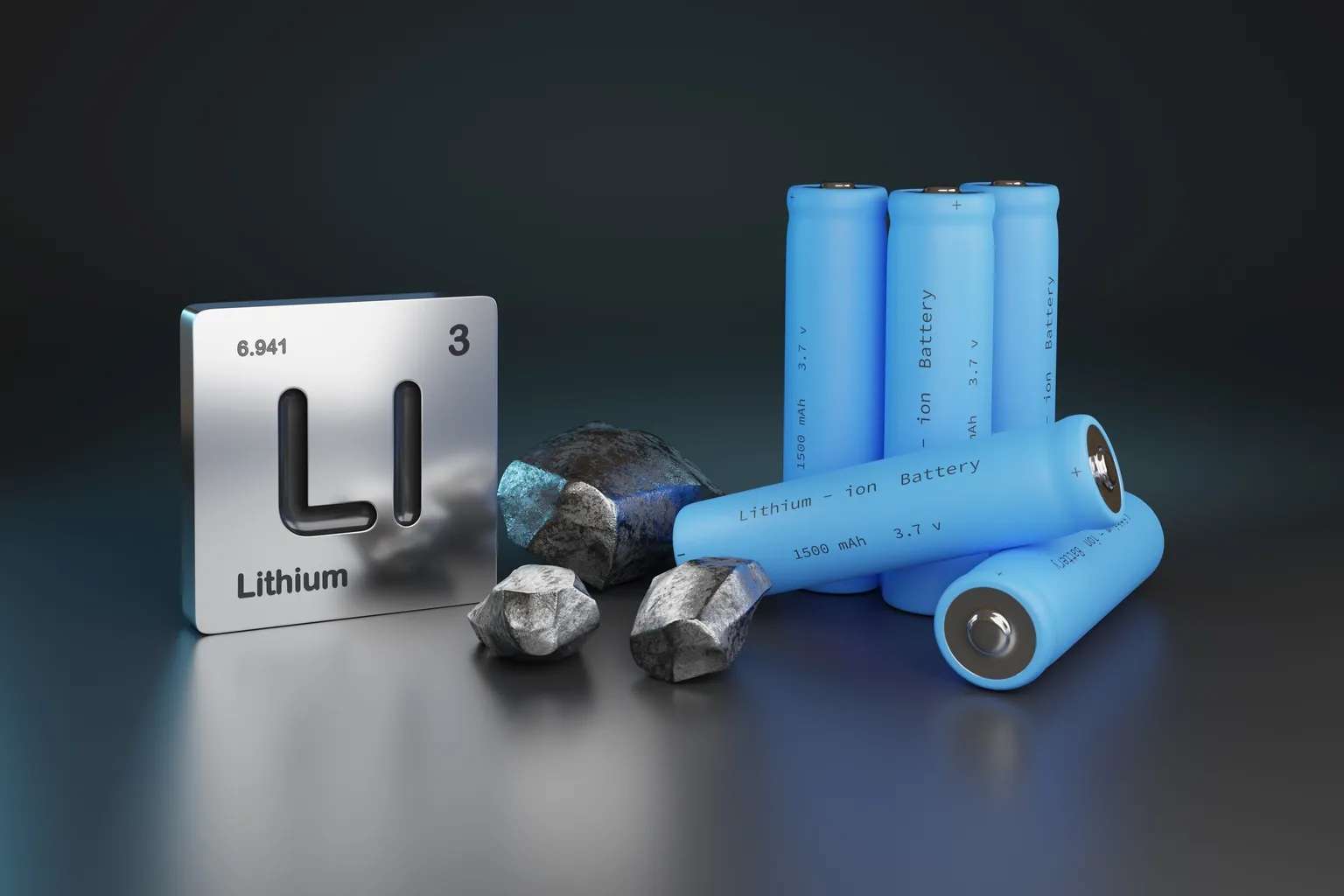
Energy transition demand and its impact on dollar-denominated commodity flows.
By Catherine Huang | Economist, Deutsche Bank
The rise of electric vehicles (EVs) and renewable energy has transformed lithium and other battery metals into critical commodities. Once niche markets, they are now at the heart of the global energy transition. But as with oil and copper, their pricing is tied to the U.S. dollar, creating a complex relationship between green-technology demand and global currency flows.
The New Commodity Cycle
Lithium, nickel, cobalt, and manganese are essential inputs for EV batteries and energy storage systems. Demand for these metals has surged as governments push decarbonization and automakers ramp up production targets. Benchmark lithium carbonate prices, for example, soared from under $10,000 per ton in 2020 to over $70,000 at their 2022 peak before correcting sharply in 2023–24.
Yet while demand is structurally strong, these markets remain volatile, shaped by supply bottlenecks, new mining projects, and recycling technologies. The dollar adds another layer of fluctuation.
The Dollar’s Role
As with other commodities, a stronger U.S. dollar tends to pressure battery metal prices lower by making them more expensive for non-dollar buyers. This was evident in 2022, when aggressive Fed tightening pushed the dollar to two-decade highs. Even as EV demand grew, lithium and nickel prices softened under the weight of dollar strength and rising financing costs.
Conversely, in weaker-dollar periods, such as 2020–21, metals benefited from both demand growth and currency tailwinds. Investors piled into “green commodities,” betting on structural demand while enjoying the lift from a softer greenback.
China’s Central Role
China dominates the processing of lithium and other battery metals, making its demand and currency dynamics central to the market. A weaker yuan amplifies the impact of dollar strength on metal prices, while Chinese stimulus often drives rallies that offset dollar headwinds.
For example, in mid-2023, Beijing’s measures to support EV adoption sparked a lithium rebound despite a still-strong dollar. This underscored how policy-driven demand in China can reshape the usual currency-price relationship.
Current Market Conditions
As of late 2024, lithium prices hover near $20,000 per ton — well below their 2022 peak but stabilizing as supply and demand rebalance. The dollar remains firm, limiting upside in the near term. However, analysts note that structural demand from EV adoption and energy storage will keep long-run fundamentals bullish.
Implications for Traders
For forex and commodity traders, battery metals highlight the intersection of energy transition themes with dollar cycles. Key factors to watch include:
- Fed policy and dollar strength, which influence global financing costs.
- Chinese EV policies, a dominant driver of demand.
- Mining supply pipelines, from Australia to South America.
The takeaway is that lithium and other battery metals are not just niche markets but central to global macro trends. Their volatility reflects not only supply-demand imbalances but also the dollar’s status as the unit of account for the green transition.