Current Trends in the Black Market
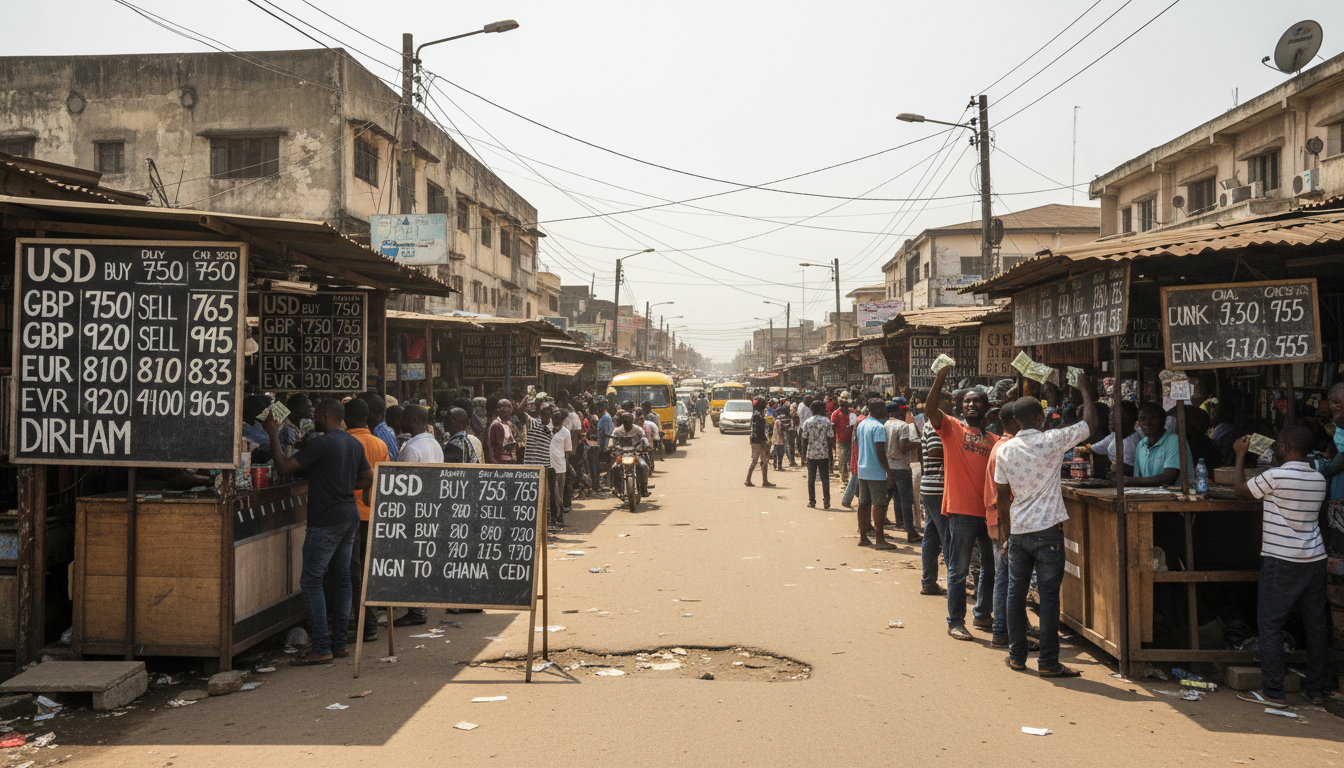
Traders across major Nigerian hubs opened May 1 with wider spreads as intraday quotes moved quickly and availability stayed uneven. By mid morning, the USD to Naira exchange rate was being negotiated in smaller ticket sizes, reflecting cautious inventory management and faster turnarounds. Dealers described the black market exchange as more fragmented Today, with some buyers paying a premium for immediate settlement while others delayed until later sessions. This Live pricing pattern also reflected heightened sensitivity to cash logistics, bank transfer timing, and verification checks. OsunDefender framed the day as a snapshot of shifting sentiment rather than a single fixed print.
Factors Influencing USD to Naira exchange rate
In the dealing rooms, demand was tied to import cover, school fees, and corporate obligations that cannot wait for smoother bank access. A rolling Update from OsunDefender highlighted that negotiated street prices respond to order flow more than posted signboards, especially when supply arrives in bursts. For context on how recent sessions have behaved, readers tracking turn in spreads and the speed of repricing in USD to Naira Black Market Rate Watch, April 30 can compare the pattern. Cross market attention also mattered as crypto linked liquidity influenced cash conversions, and stablecoin flows can alter regional arbitrage calculations as USDC Minted 250M Sparks a Major Market Shift showed.
Implications for the Nigerian Economy
Businesses price risk into invoices when they cannot reliably secure dollars at predictable terms, and that feeds directly into near term costs for Lagos and Abuja distributors on May 1. When the USD to Naira exchange rate jumps within a trading window, distributors often pause restocking and renegotiate payment timelines to protect margins. This Live uncertainty can squeeze working capital, especially for firms already paying higher credit costs and facing slower receivables collection. On the household side, remittance recipients may convert in stages instead of all at once, which changes daily liquidity in the Nigerian currency market. The central issue is pass through, as short run FX volatility tends to show up in transport, food distribution, and pharmacy supply chains.
Comparisons with Official Exchange Rates
The gap between street quotes and official windows remained the key reference point for corporate treasurers monitoring compliance and settlement risk. Market participants said Today that official access is still uneven across counterparties, which keeps parallel pricing relevant even when policy signals aim for convergence. A related discussion of dollar strength and policy transmission is covered in Dollar Dominance in 2025: Reserves, Trade, Policy, which outlines how global reserve behavior can influence local pricing psychology. Separately, the broader macro backdrop includes trade policy uncertainty, and BBC reporting on proposed EU car tariffs illustrated how tariff headlines can amplify USD demand in global risk moves. The comparison underscores that spreads are not only domestic, they are also shaped by external shocks.
Future Projections and Economic Impact
Near term expectations among dealers centered on continued two way volatility, with pricing guided by flow rather than forecasts in the first week of May 2026. A practical Update from market watchers is that liquidity conditions, settlement speed, and enforcement pressure will matter more than any single headline in the coming sessions. Importers are likely to keep staging purchases, while some exporters may hold back conversions if they expect better timing later. For policymakers, the priority is narrowing uncertainty so that trade can be priced with less contingency. For consumers, the risk is that frequent repricing becomes normalized, raising the baseline for everyday transactions in the Nigerian currency ecosystem. The clearest signal to monitor is whether spreads compress sustainably as access improves across channels.