India’s Economic Growth Faces New Threats
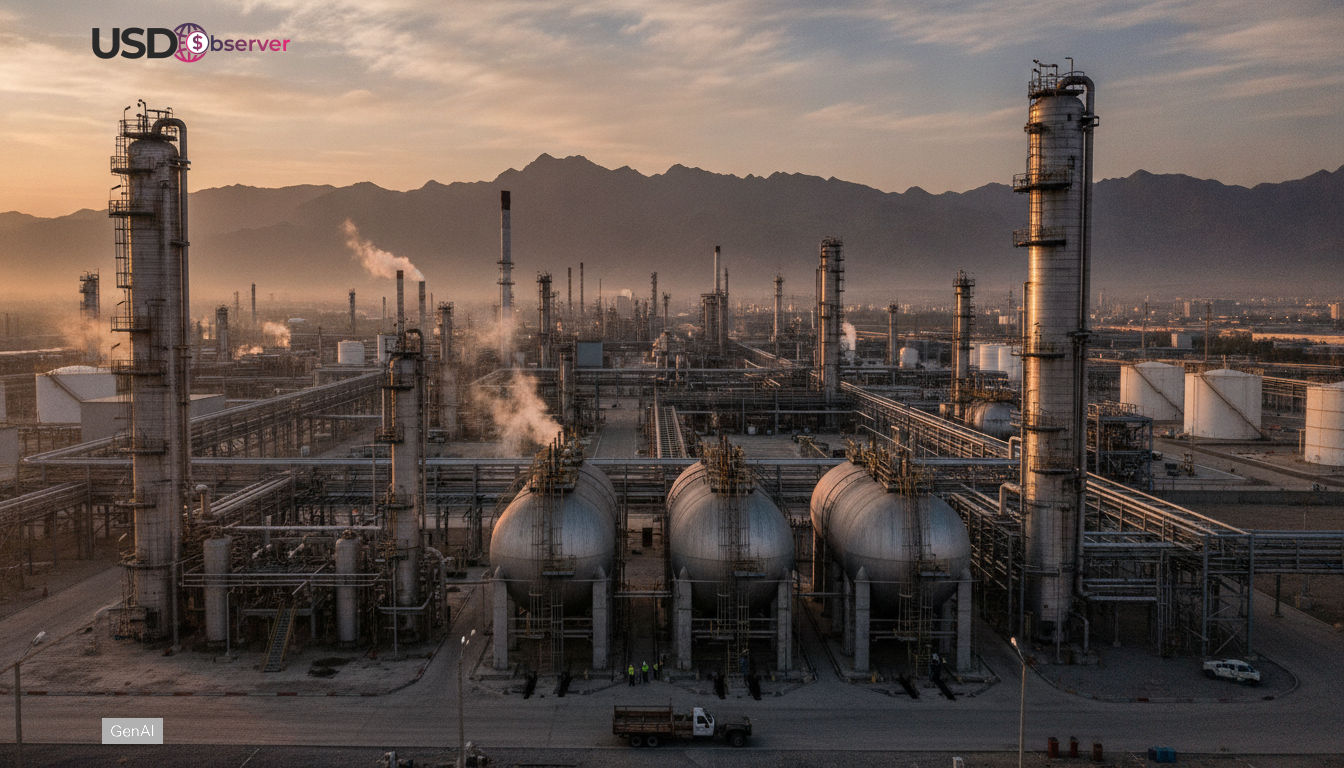
India’s growth story is being tested by a sudden India economy oil shock that is already filtering into costs, sentiment, and near term planning across sectors. With crude and freight premiums repricing risk, the import bill rises faster than tax collections can adjust, narrowing fiscal room without any dramatic policy move. Refiners and large fuel buyers hedge where possible, but many downstream firms cannot, so margins compress and pass through begins. Today, market desks are treating energy as the lead indicator for whether domestic demand stays resilient or turns cautious. The energy crisis element is not theoretical, it is visible in supply contracts, inventory behavior, and pricing discipline across transport, chemicals, and power intensive manufacturing.
How the Iran Conflict Impacts Energy Supply
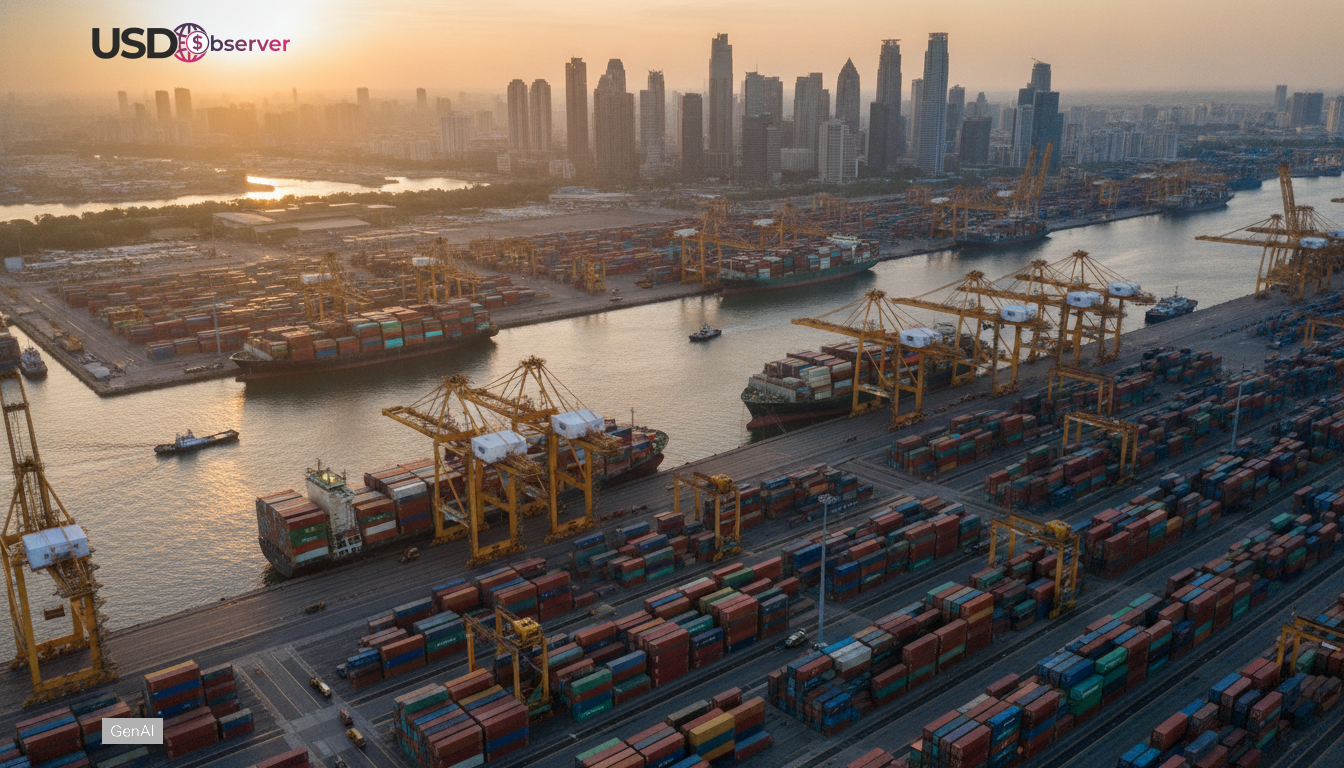
The Iran war impact is hitting India primarily through the risk premium attached to Middle East supply lines, not simply the spot price of crude. Disruptions or even credible threats around shipping lanes lift insurance costs, extend delivery schedules, and reduce the availability of prompt cargoes, forcing buyers to accept wider differentials. That feeds into domestic pump price expectations and raises the cost of moving goods, which tends to show up first in logistics and aviation. Live trading in oil futures has also tightened conditions for corporate treasuries that rely on stable input costs to price contracts. For a parallel on how volatility is building, investors are also watching liquidity conditions in other markets as risk pricing spreads across assets. The result is a sharper squeeze on energy intensive value chains.
Currency and Stock Market Reactions
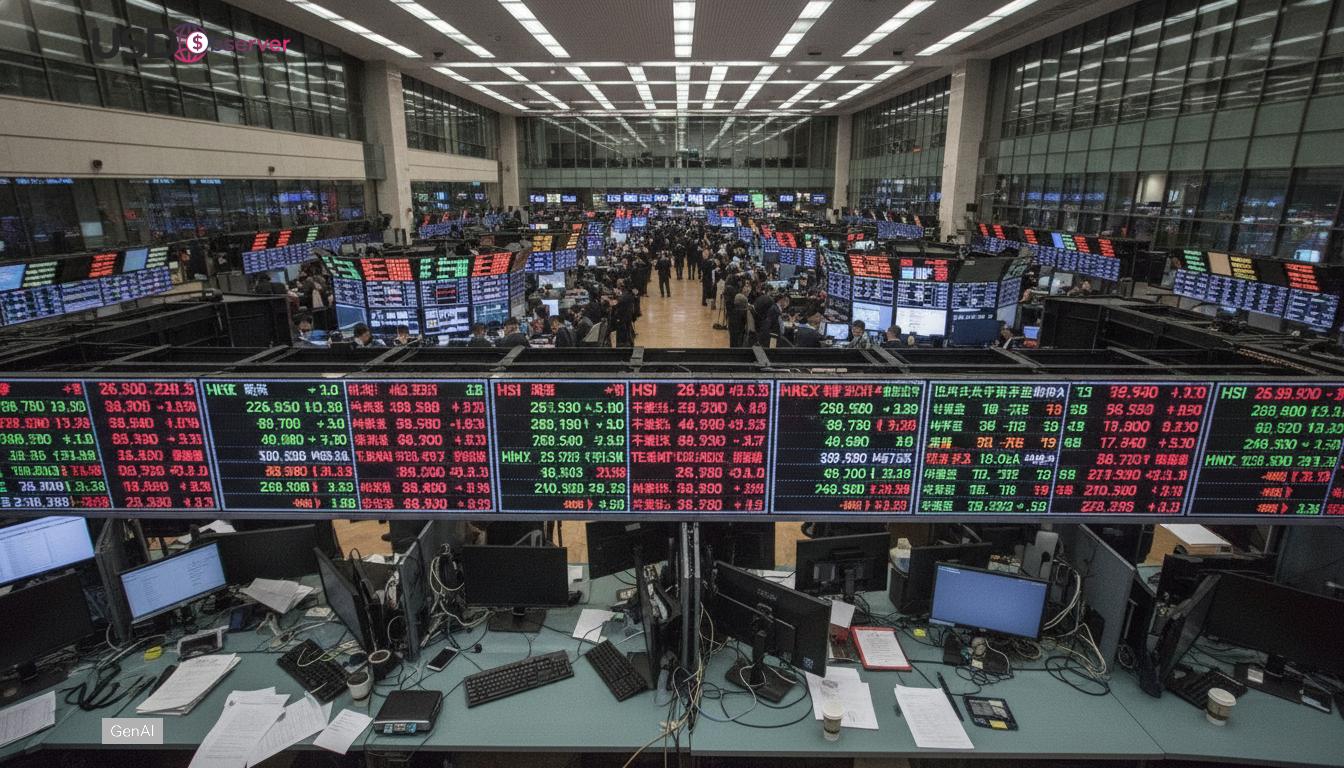
Currency markets respond quickly when energy risk rises because India’s current account sensitivity to crude is well understood, and that sensitivity can dominate even strong domestic data. When the import bill expands, demand for dollars increases and the rupee can face pressure, especially if global risk appetite fades at the same time. Traders in USD pairs watch the balance between reserve management and forward market pricing, and the reaction often becomes self reinforcing through hedging demand. An Update from regional market reports indicates that equity investors are rotating toward defensives while trimming exposure to fuel heavy transport, airlines, and select industrials. Pricing signals match what has been reported in coverage of oil prices swinging as Iran war risk rattles markets, and those swings can ripple into Indian rate expectations via inflation forecasts and bond yields.
Long-Term Growth Projections Amid Energy Pressures
Longer horizon forecasts now hinge on whether the shock stays temporary or becomes a persistent tax on consumption and investment. If elevated energy costs last, companies may delay capex, households may redirect spending, and the economy’s potential path can flatten even without a recessionary trigger. The economic growth outlook becomes a contest between structural momentum and higher input costs that erode competitiveness for exporters and small manufacturers. International institutions have repeatedly flagged that oil importers carry greater vulnerability to external price spikes, and recent research on resilience and inflation dynamics is available via the International Monetary Fund’s economic analysis. Today, analysts are stress testing scenarios that incorporate slower real income gains and tighter financial conditions. Live pricing in derivatives markets implies that investors want clearer visibility on inflation before re rating cyclicals.
Policy Responses to Economic Challenges
Policy management focuses on reducing second round inflation effects while keeping growth support credible. The central bank’s priority is to prevent energy led price shocks from becoming embedded in expectations, and that often means a careful communication stance alongside liquidity tools rather than abrupt tightening. Fiscal authorities can lean on excise calibration, targeted support for vulnerable users, and faster payment cycles for public projects to keep cash flow moving without widening the deficit sharply. An Update from commodity watchers suggests that hedging discipline and inventory planning are becoming as important as headline policy, because corporate behavior can smooth volatility if financing access is stable. Live monitoring of pass through into transport and food supply chains is critical, and recent reporting on fuel prices surging as airlines cut routes and raise fares shows how quickly pricing decisions can change. The near term challenge is cushioning shock without distorting demand signals.