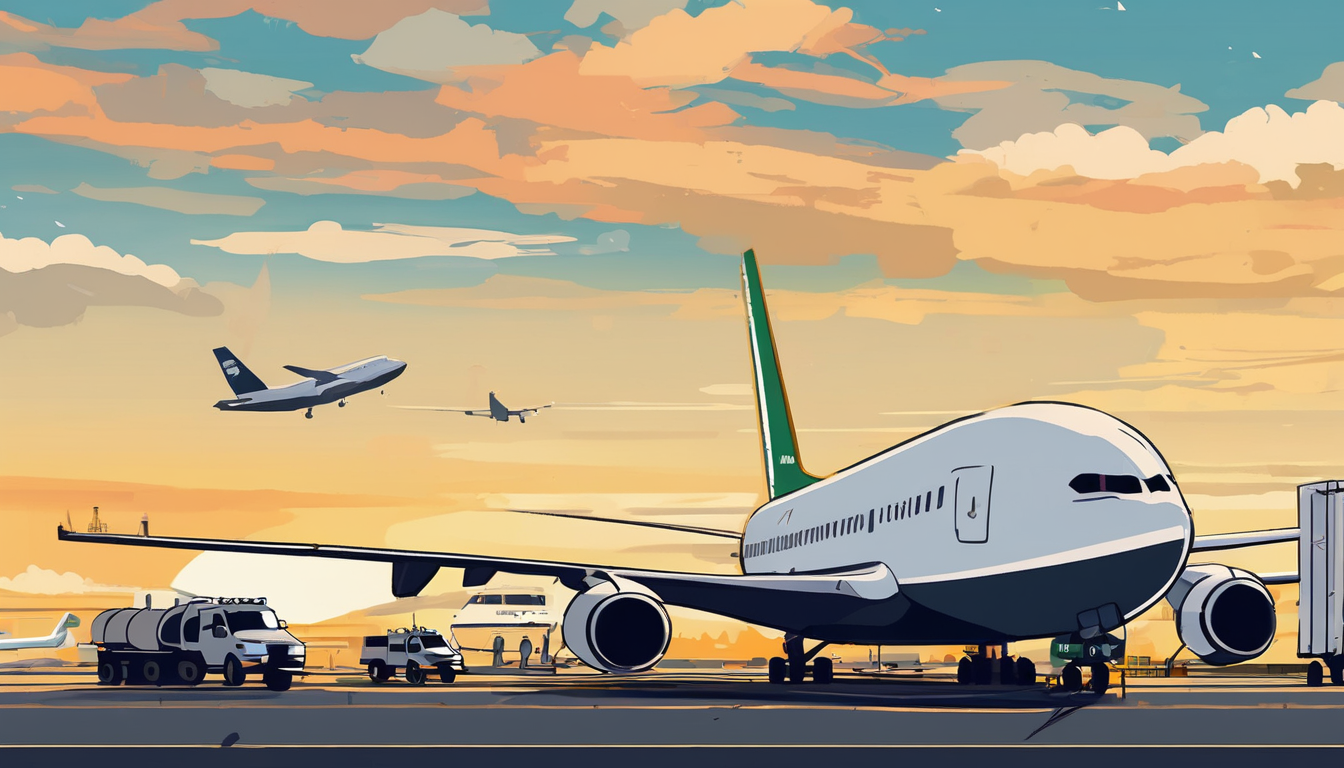
Airlines Face Fuel Price Challenges
Fuel prices are forcing airline network planners into rapid revisions as jet fuel becomes the swing factor in near term profitability. Carriers that depend on long haul flying are seeing immediate margin compression because jet fuel costs are moving faster than ticket yields can adjust, while weaker currencies against the USD add another layer of pressure. Today, treasury teams are leaning harder on cash preservation, delaying nonessential spending, and tightening fuel procurement controls to stop cost creep from spreading across schedules. Live trading in energy contracts is translating into higher daily exposure for airlines that buy closer to departure, especially low cost operators with thinner buffers. A second Today assessment from several airline finance desks is that the move is no longer a brief spike, it is a budgeting problem that will bleed into seasonal planning.
Reduced Flights and Increased Ticket Costs
Capacity decisions are turning tactical, with airlines trimming frequencies on routes where demand is price sensitive and redeploying aircraft to markets with stronger corporate travel and premium cabins. The Iran war has intensified the pattern: fewer seats offered, higher average fares, and tighter rules on discount inventory as carriers protect revenue per flight. Live revenue management systems are already widening the gap between early purchase and last minute pricing, and airline fares are rising quickest on thin international routes where a single cancellation shifts the supply balance. An operational Update from dispatch teams is also driving changes, airlines are adding contingency fuel where needed, which increases weight and can reduce payload on some sectors. In a separate market example of risk control, firms are highlighting broader liquidity discipline, including Tether freezes $182M USDT, tightening market control as a reminder that tightening conditions can spread across travel and finance at the same time.
Impact of the Iran Conflict on Jet Fuel
Jet fuel costs are reacting not only to crude moves but to refining and logistics constraints that filter into the aviation grade supply chain. The Iran war is amplifying risk premiums in shipping and insurance, and that premium can show up as higher differentials for jet fuel in key hubs even when benchmark crude stabilizes for a session. Today, airlines are watching crack spreads and regional availability as closely as headline oil prices because the true bill is set by delivered fuel at the airport, not by a single global reference. A Live view of the market shows volatility concentrated around transit routes and infrastructure risk, with traders pricing sudden disruptions rather than smooth trends. For context, Reuters reporting on energy market pricing has outlined how conflict driven risk premiums can feed directly into refined product costs, see Reuters energy market coverage for related updates.
Comparison with Previous Fuel Crises
The current squeeze differs from earlier fuel shocks because airlines are balancing higher costs with tighter post pandemic fleets and more fragile supply chains for parts and engines. In prior cycles, carriers often added capacity quickly to chase demand and then relied on broad fare increases, but the present environment makes that harder because ground constraints, maintenance backlogs, and aircraft delivery delays limit fast expansion. The result is that fuel prices translate into sharper schedule cuts rather than simple pricing power everywhere. Another Update from industry analysts is that hedging outcomes are more uneven than in past spikes, some airlines locked in lower costs and can hold fares steadier, while others are exposed to spot prices and must act immediately. Data points on the oil market’s conflict sensitivity have been tracked closely alongside this shift, including analysis at Oil prices swing as Iran war risk rattles markets and related volatility notes at Oil price volatility rises as Iran deadline nears.
Future Outlook for Airline Industry
Airline leadership is responding with a mix of pricing, network pruning, and cost discipline designed to preserve reliability while keeping balance sheets strong. The most resilient operators are prioritizing routes with multiple revenue streams, premium demand, cargo, and loyalty program income, because those lines can absorb higher jet fuel costs without eroding service standards. Live scheduling adjustments are likely to continue as airlines fine tune departure banks, swap aircraft types, and negotiate fuel and handling terms at airports where volume buys leverage. A key risk for the next quarter is that fuel prices stay elevated long enough to influence labor talks, leasing rates, and credit costs, especially for carriers with weaker ratings. Another Update from airline finance teams is that communication will tighten with investors and regulators as companies justify fare actions and capacity moves, aiming to show that service reductions are targeted rather than blanket pullbacks driven by panic.