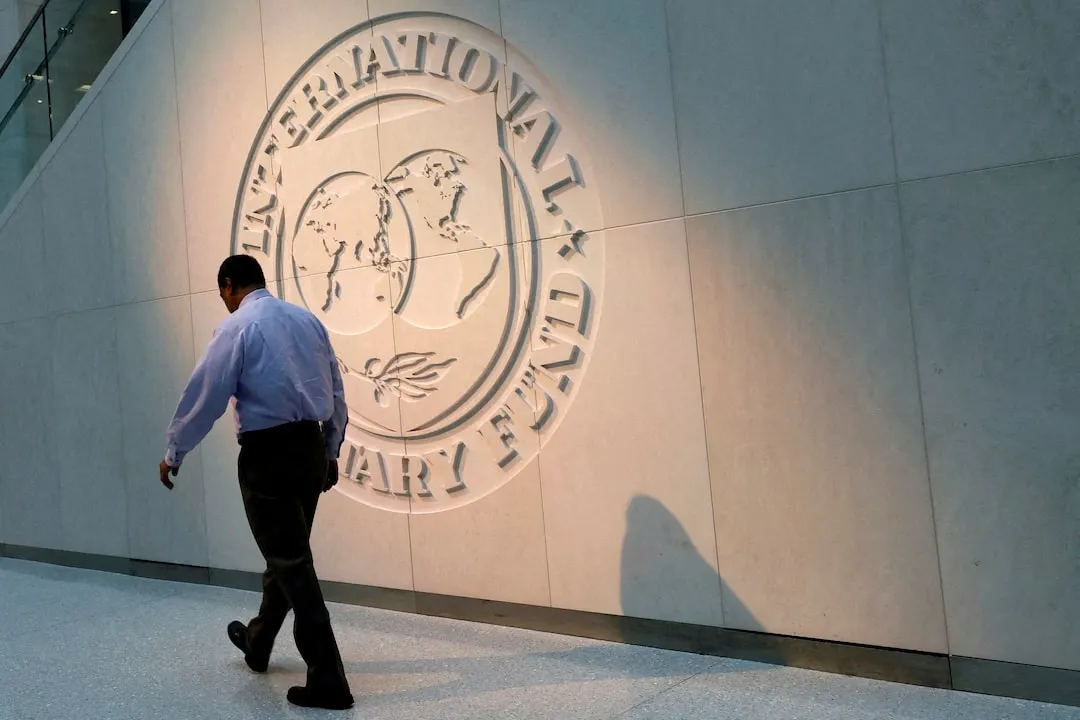
The International Monetary Fund has sounded a cautious note on the global economy, warning that growth momentum is weakening as tighter financial conditions and a persistent shortage of dollar liquidity strain both advanced and emerging markets. The Fund’s latest projections point to slower GDP expansion across major economies in 2026, driven by subdued trade, higher borrowing costs, and lingering fiscal imbalances. For global markets, the concern is not a sudden downturn but a synchronized deceleration a scenario where liquidity tightens even as inflation normalizes, leaving policymakers with limited room to maneuver.
The IMF’s outlook underscores a crucial paradox: financial stability risks are rising at a time when global liquidity is contracting. The dominance of the U.S. dollar in trade and finance continues to amplify the effects of U.S. monetary policy, with ripple effects spreading through credit markets, cross-border lending, and commodity pricing. As investors recalibrate portfolios and central banks reassess reserves, the question is not whether growth slows, but how the world adapts to a new phase of constrained liquidity and uneven expansion.
A Synchronized Global Slowdown
The IMF’s updated forecasts suggest that global growth could slow to near 2.8 percent in 2026, compared with an average of 3.4 percent during the last decade. Advanced economies are expected to expand at roughly 1.4 percent, with the U.S. outperforming peers in Europe and Japan. Emerging markets, traditionally the engine of global growth, are also expected to lose momentum due to tighter financing conditions, weaker trade, and moderating commodity prices.
The slowdown is most pronounced in regions dependent on external funding and dollar-denominated debt. In Latin America, growth projections have been revised downward as currency depreciation and rising interest costs weigh on public finances. In Asia, manufacturing activity has softened amid declining export demand and slower recovery in China’s property and infrastructure sectors. Meanwhile, Europe continues to grapple with structural stagnation, constrained by energy costs, aging demographics, and fiscal rigidities.
This deceleration reflects not only cyclical weakness but structural adjustment. High debt levels accumulated during the pandemic and subsequent stimulus cycles are now colliding with tighter global liquidity. As credit availability declines and refinancing costs rise, governments and corporations face increasing constraints on investment. The IMF warns that these conditions could persist even if central banks begin to ease rates in late 2026, given the lag in restoring liquidity across global banking systems.
Tightening Dollar Liquidity and Global Financing Strains
The dollar’s strength remains a central feature of the current cycle. Despite easing inflation and the prospect of future rate cuts, demand for dollar assets has remained elevated, driven by safe-haven flows and relatively higher U.S. yields. The Dollar Index continues to hover near multi-year highs, exerting pressure on currencies and financial systems worldwide.
The shortage of dollar liquidity is being felt most acutely in emerging markets, where access to dollar funding is crucial for trade and debt servicing. Cross-border lending data show that U.S. banks and institutional investors have reduced exposure to higher-risk sovereign and corporate borrowers, tightening the supply of offshore dollars. As a result, credit spreads have widened, particularly for frontier economies reliant on short-term financing.
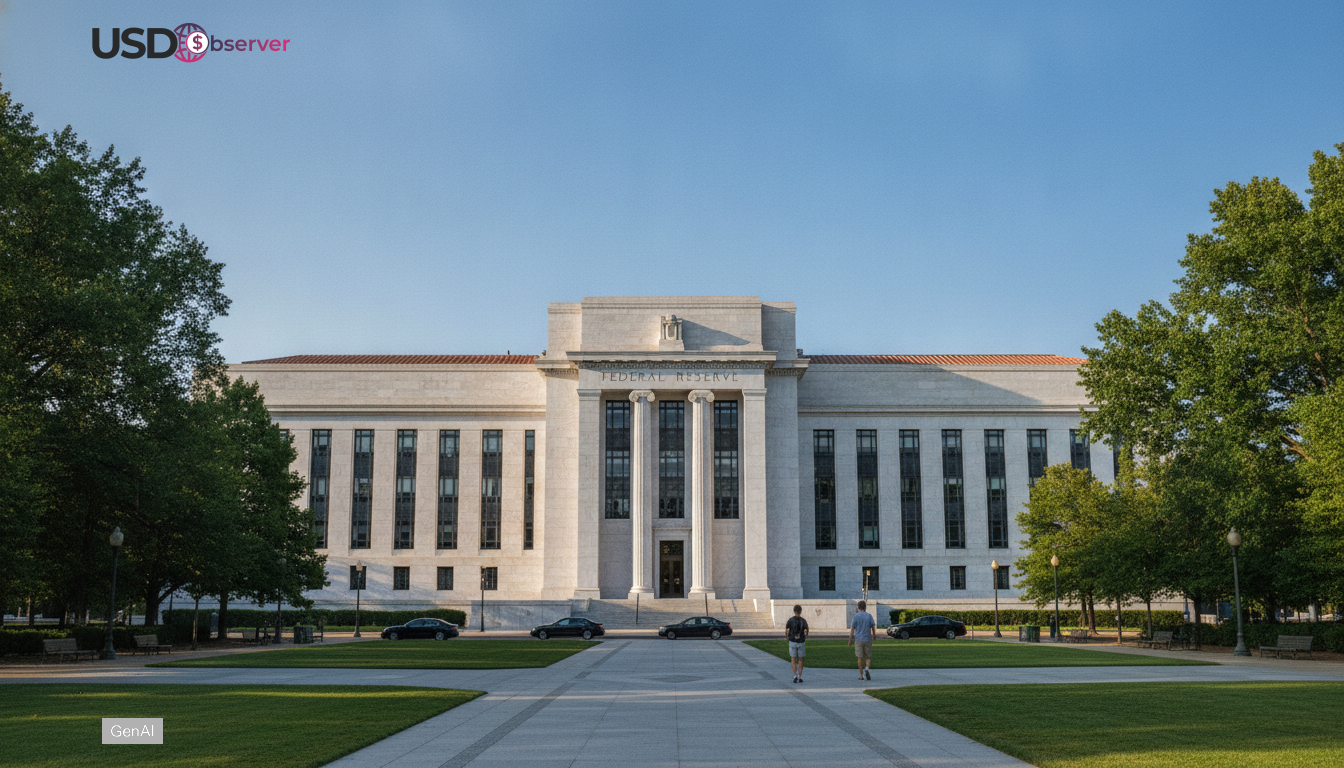
Central banks are responding with defensive strategies. Several Asian and Middle Eastern nations are expanding bilateral swap lines with the Federal Reserve and regional partners to ensure access to emergency liquidity. Others are diversifying reserve holdings into gold and non-dollar assets to hedge against funding shocks. Yet these measures provide only partial insulation. The global financial system remains deeply dollar-centric, meaning that U.S. monetary conditions continue to set the tone for global liquidity flows.
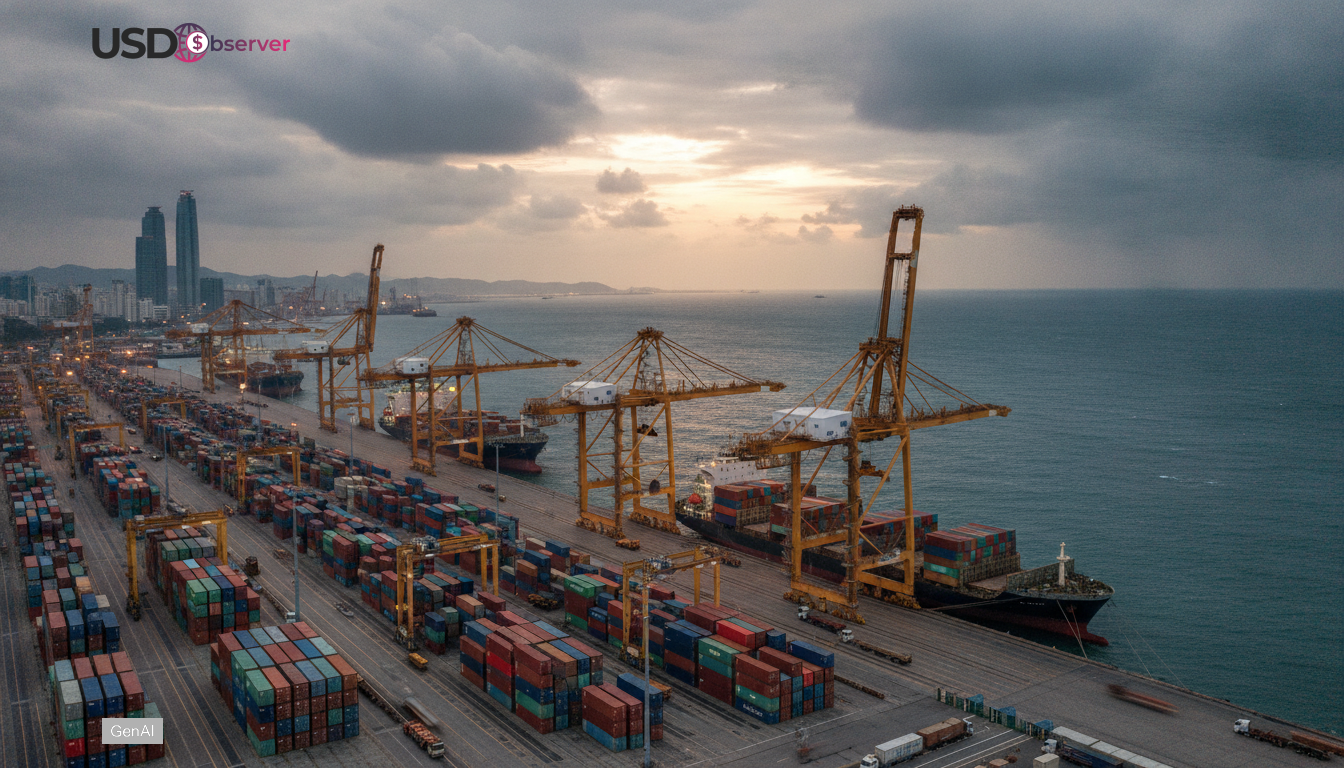
Liquidity tightening is also visible in global trade finance. The cost of trade credit has risen significantly, particularly for import-dependent nations. Smaller exporters face higher transaction costs, reducing competitiveness and slowing supply chain recovery. The IMF’s financial stability review highlights that prolonged dollar scarcity could exacerbate inequality between developed and developing economies by widening the cost of capital.
Policy Divergence and Market Adjustments
Monetary policy divergence is adding to uncertainty. While the Federal Reserve has signaled potential rate cuts in 2026, other major central banks, including the European Central Bank and the Bank of Japan, are moving more cautiously. This uneven policy landscape reinforces dollar strength and complicates liquidity distribution across global markets.
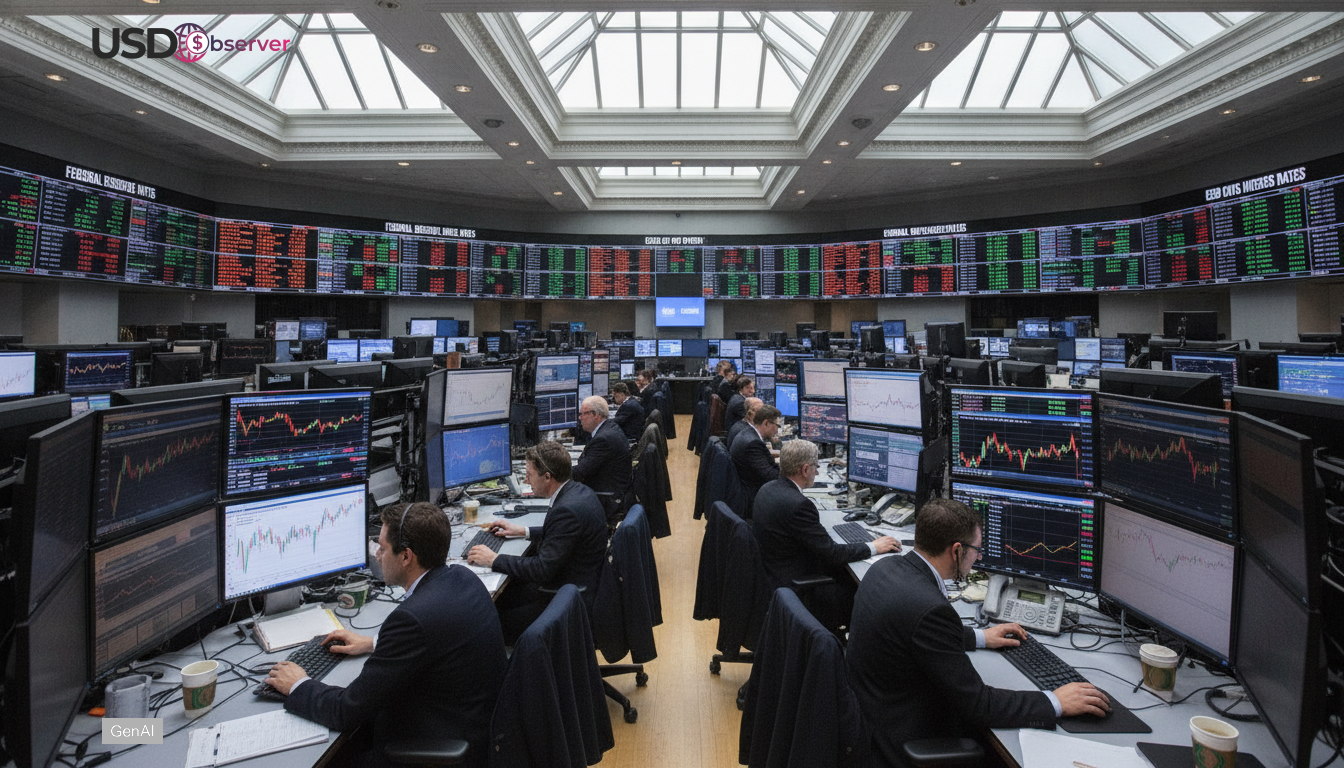
Financial institutions are adapting by rebalancing portfolios toward high-quality assets. Demand for U.S. Treasuries remains robust despite higher yields, reflecting investor preference for safety amid slowing growth. Meanwhile, credit conditions in Europe and Asia are tightening as banks raise lending standards. Private capital flows into emerging markets have weakened, with risk premiums rising to levels last seen during the 2015 commodity downturn.
Equity markets are reflecting this caution. While U.S. indices remain supported by resilient corporate earnings and strong technology valuations, global equities are under pressure from weaker earnings growth and capital outflows. Commodity markets have also stabilized at lower levels, as slowing demand offsets supply risks. Oil, copper, and agricultural commodities are trading within narrow ranges, signaling subdued industrial activity.
The IMF warns that policymakers face limited room for fiscal stimulus due to high debt burdens. With interest expenses consuming a growing share of government budgets, fiscal policy is shifting toward consolidation rather than expansion. This transition, though necessary for stability, may further constrain growth in the short term.
Conclusion
The IMF’s warning about a global slowdown and tightening dollar liquidity captures the defining challenge of the current economic cycle. The world economy is adjusting to a phase of slower, more uneven growth, where the availability of capital not just its cost determines momentum. The combination of strong dollar dynamics, limited policy flexibility, and structural debt constraints has created an environment of restrained optimism and heightened caution.