The world economy is losing momentum as growth slows across nearly every major region. What began as a series of isolated downturns is now converging into a broader global deceleration. The signs are visible in trade flows, manufacturing data, and debt servicing costs that are rising faster than income growth.
The slowdown comes at a time when inflation remains stubborn and monetary policy stays tight. Central banks across developed markets are maintaining higher rates to preserve credibility, while emerging economies are contending with weaker currencies and tighter access to funding. The result is a fragile equilibrium where the strong U.S. dollar is amplifying fiscal stress worldwide.
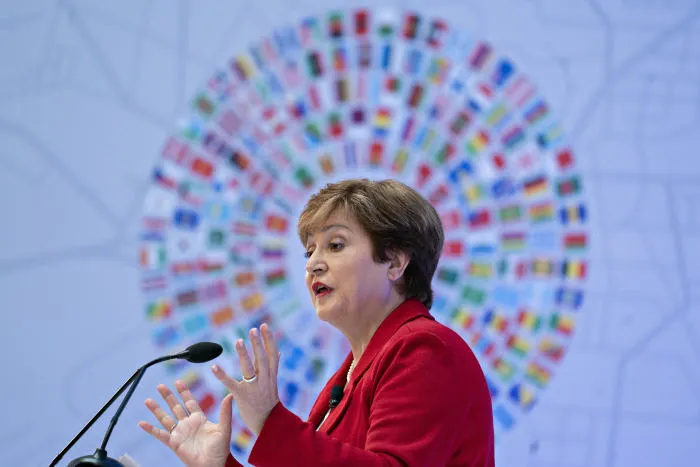
Many policymakers had hoped for a soft landing, but the combination of high interest rates, rising debt levels, and subdued productivity growth has made that outcome increasingly uncertain. The IMF’s latest forecasts highlight that both advanced and developing economies are feeling the strain, with global output expanding below potential.
Growth Deceleration and Policy Headwinds
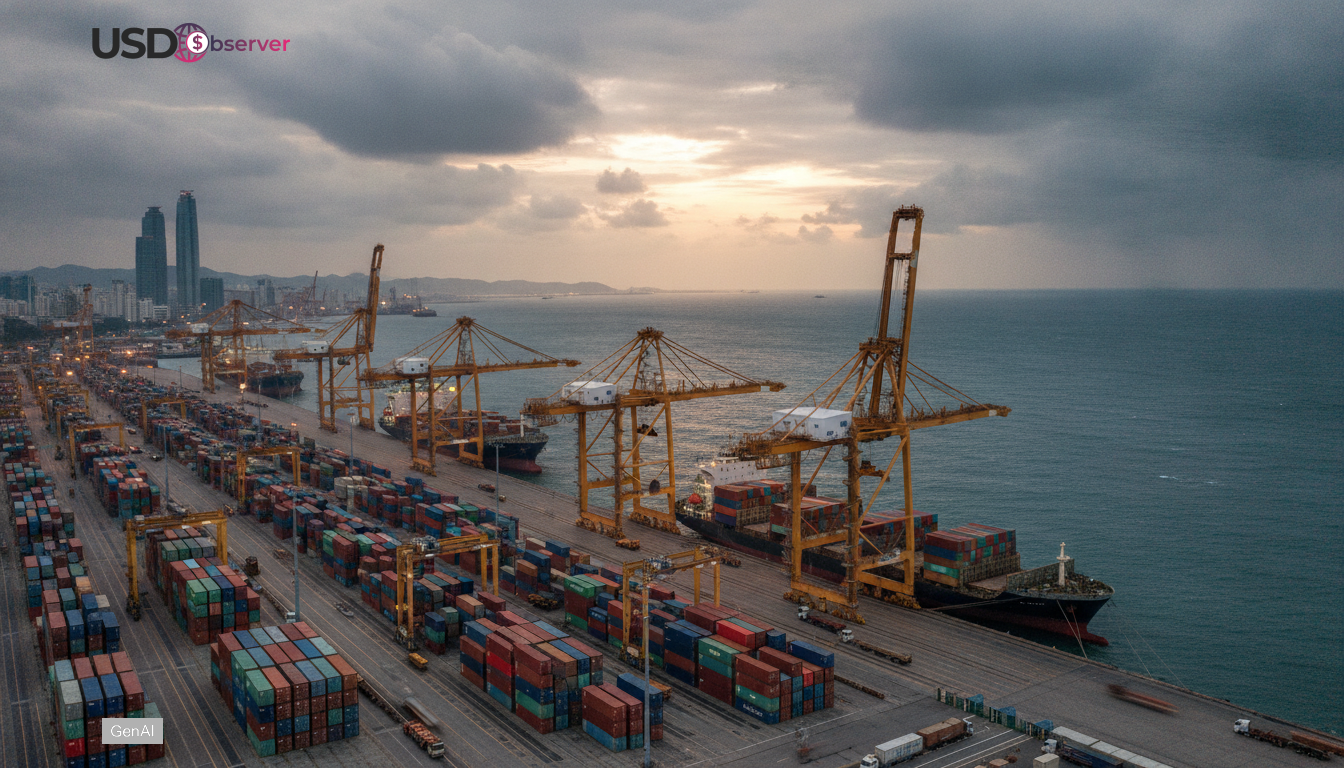
Global trade has slowed markedly as demand from the world’s largest economies weakens. The manufacturing cycle remains soft, especially in export-driven nations such as Germany, South Korea, and China. Trade volumes are now expanding at roughly half the pace seen during the post-pandemic recovery, underlining how global momentum is fading.
In advanced economies, fiscal consolidation is underway as governments tighten spending after years of stimulus. This shift toward restraint is necessary for long-term stability but adds short-term drag to growth. Households are also showing signs of strain, as higher borrowing costs and stagnant wages limit consumption.
For emerging economies, the challenge is more acute. Many entered this period with elevated debt and limited fiscal space. As global rates rose, refinancing became harder, forcing policymakers to choose between defending currencies or preserving growth. The margin for error is shrinking, and investor sentiment remains cautious.
Currency Dependencies and Debt Vulnerabilities
The strong U.S. dollar is exerting renewed pressure on global currencies. Many nations remain heavily dependent on dollar-based trade and financing, which leaves them exposed when the dollar appreciates. A stronger dollar increases the cost of imports, raises debt repayment burdens, and reduces the value of foreign reserves.
Several developing economies are experiencing capital outflows as investors rebalance portfolios toward safer U.S. assets. Local currencies are weakening in response, pushing up inflation through higher import prices. Central banks have been forced to intervene or raise rates, but those moves come at the expense of domestic growth.
Debt vulnerability is becoming a defining risk. Sovereigns that borrowed in foreign currency during years of low interest rates now face surging repayment obligations. Even countries with stable fundamentals are seeing higher spreads on new bond issuances, reflecting the broader caution in financial markets.
Fiscal Strain and the Dollar’s Dominance
Rising debt levels are reshaping the fiscal landscape across both developed and developing economies. Global public debt is expected to exceed 100 percent of world GDP in the coming years, driven by elevated borrowing and slower growth. This increase in debt coincides with higher servicing costs, leaving governments with less room for investment and social spending.
The dollar’s dominance intensifies this strain. As the dollar strengthens, countries with large external liabilities face double pressure: higher interest payments and weaker local revenues. For many, maintaining fiscal stability means cutting spending or increasing taxes—measures that can further weaken domestic demand.
Even advanced economies are feeling the weight of tighter financing conditions. The rising cost of U.S. Treasury debt, for instance, has pushed yields to multiyear highs, setting a global benchmark that ripples through every funding market. For smaller economies, that ripple feels like a shockwave.
Policy Reactions and Global Coordination
Policymakers are responding through a mix of defensive and proactive measures. Central banks in emerging markets have raised interest rates to attract capital and stabilize exchange rates. Some have tightened capital controls or increased currency swap lines to manage liquidity. Others are relying on targeted fiscal measures to cushion households from price shocks.
Global coordination is also becoming more important. Institutions such as the IMF and World Bank are calling for frameworks that address debt sustainability and strengthen global safety nets. Several nations are exploring local currency settlement agreements and reserve diversification to reduce their exposure to dollar-driven volatility.
At the same time, structural reforms remain crucial. Economies that focus on productivity, diversification, and transparent fiscal management are likely to fare better in this tightening cycle. Those that rely too heavily on short-term capital inflows or commodity revenues may struggle as the cost of financing remains high.
Outlook and Strategic Scenarios
The global economy faces a delicate path ahead. If inflation remains under control and major central banks begin to ease policy gradually, growth could stabilize in late 2025. That scenario would allow developing markets some breathing room to rebuild reserves and strengthen currencies.
However, risks remain tilted to the downside. Persistent inflation, geopolitical uncertainty, or renewed dollar strength could prolong financial stress and push more countries toward fiscal tightening. For many, the challenge is balancing short-term crisis management with long-term reform.
Financial stability will depend on how well governments coordinate their fiscal and monetary responses. Countries that move early to reduce deficits, strengthen banking systems, and encourage investment may emerge stronger. Those who delay adjustment could face deeper slowdowns and prolonged debt challenges.
Conclusion
The warning signs are clear: the global economy is entering a phase of synchronized slowdown under the weight of high debt, tight policy, and a dominant U.S. dollar. Fiscal strain is no longer limited to a few vulnerable nations; it is spreading across markets that once seemed resilient.
The path forward lies in rebuilding credibility and resilience. Policymakers must focus on sound fiscal management, structural diversification, and renewed international cooperation. Without these efforts, the strong dollar will continue to magnify global financial imbalances and make recovery far more difficult to achieve.