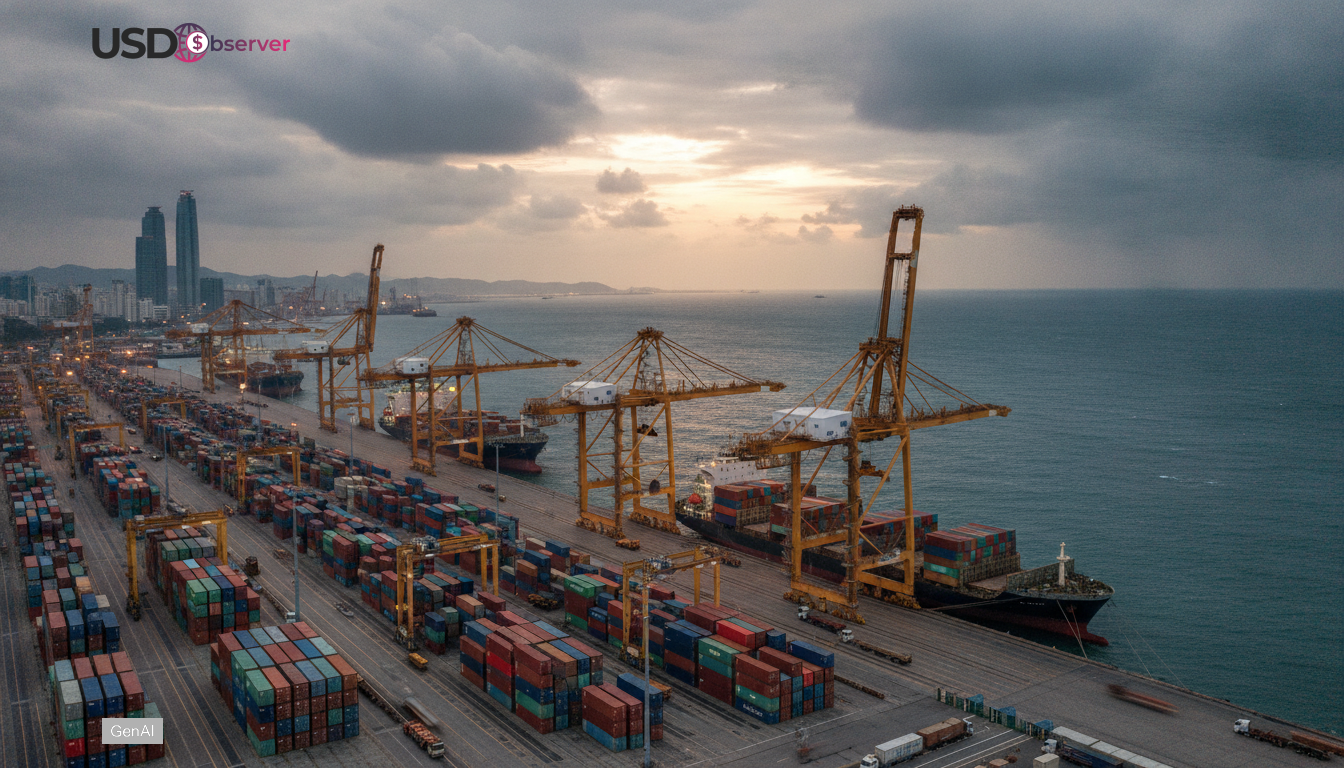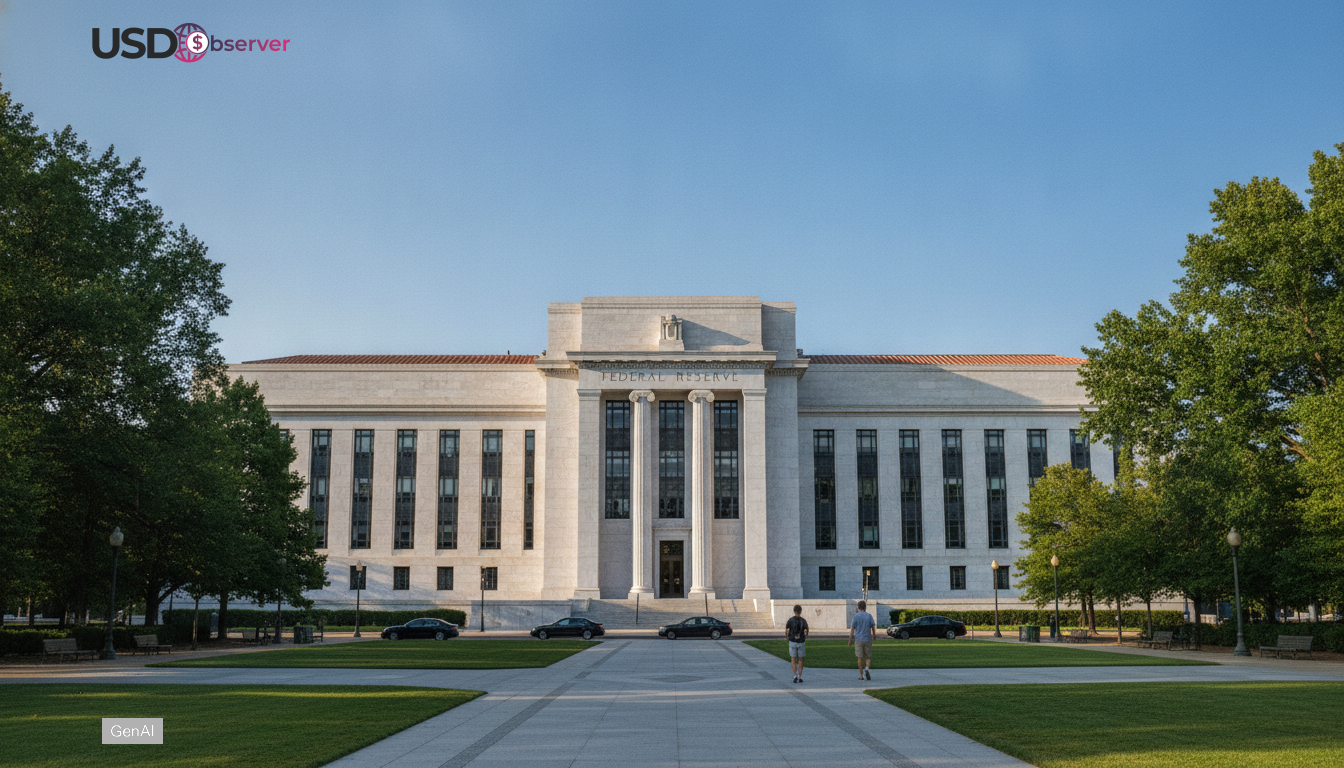
Global debt levels are once again under scrutiny as the International Monetary Fund projects that total public debt could surpass 100 percent of global GDP by 2029. The warning reflects rising fiscal deficits across advanced and developing economies, higher borrowing costs and slower growth momentum. As global funding needs expand, the implications for the U.S. dollar still the anchor of the global financial system are becoming increasingly significant.
Mounting debt pressures create a paradox. While higher debt tends to weaken confidence in government finances, it can also strengthen the dollar temporarily as investors seek liquid, dollar-denominated assets. The coming years could test how long that balance holds before fiscal risks begin to outweigh the currency’s appeal.
Rising Debt Dynamics and Fiscal Strains
Expansionary Fiscal Policies Across Economies
Many governments have kept fiscal policy loose in an attempt to sustain growth following years of global shocks. Pandemic-related spending, energy subsidies and defense commitments have combined to push debt-to-GDP ratios upward. The IMF now warns that these trends are proving persistent rather than transitory, suggesting that many economies are not yet rebuilding fiscal buffers.
In the U.S., fiscal expansion and a wide budget deficit remain a central driver. With Treasury issuance continuing to grow, global liquidity is increasingly channelled toward U.S. government paper. This dynamic reinforces the dollar’s funding dominance but also highlights the growing scale of debt dependence within the global system.
Interest Costs and Growth Headwinds
The burden of servicing debt is rising fast as interest rates remain above pre-pandemic norms. Emerging economies are especially exposed, facing a dual challenge of higher dollar funding costs and weaker local growth. For advanced economies, the cost of rolling over debt is climbing, crowding out other spending priorities.
If rates stay elevated through 2025 and beyond, governments may need to shift from fiscal expansion to consolidation sooner than planned. Such moves could restrain global growth while reducing the liquidity that has supported asset markets and emerging-market financing in recent years.
Implications for the U.S. Dollar
Demand for Safe-Haven Assets
Despite growing concerns over fiscal sustainability, the U.S. dollar continues to benefit from its role as the global safe-haven asset. When global debt risks rise, investors often move capital into dollar-denominated securities, particularly Treasuries. This reinforces dollar demand even as U.S. public debt contributes to the very risk environment investors are hedging against.
The result is a feedback loop: fiscal expansion raises issuance, issuance increases liquidity, and liquidity strengthens the dollar’s dominance in global trade and reserves. However, this process cannot continue indefinitely without testing investor confidence in the sustainability of U.S. finances.
Dollar Liquidity and Market Rebalancing
A continued increase in global debt will likely influence dollar liquidity conditions. As central banks and sovereign investors absorb more U.S. assets, dollar liquidity could tighten elsewhere, leading to stronger currency volatility. Emerging markets may experience higher funding costs and capital outflows as the dollar’s yield advantage persists.
At the same time, rising fiscal uncertainty could eventually weaken investor appetite for long-term dollar exposure, particularly if inflation expectations or political risks increase. The challenge lies in maintaining confidence in U.S. assets even as their supply expands rapidly.
Global Financial Stability Concerns
Debt Sustainability and Systemic Risks
The IMF’s projections highlight that more than 60 percent of the world’s economies are running deficits above pre-pandemic levels. Without structural reforms or revenue increases, debt ratios are likely to keep climbing. Elevated debt makes countries more vulnerable to interest-rate shocks and capital-flow reversals.
If several major economies were to face refinancing stress simultaneously, the ripple effects across the global banking and foreign-exchange systems could be substantial. In such a scenario, the dollar might initially strengthen before facing longer-term erosion in value as confidence in sovereign stability wanes.
The Role of Multilateral Coordination
Global debt sustainability may depend on renewed coordination between advanced and developing economies. The IMF and other international institutions are advocating fiscal discipline, improved debt transparency and structural reforms to restore balance. Successful coordination would reduce systemic risks and support currency stability, including for the dollar.
Failure to act, however, risks creating a prolonged period of high volatility where the dollar’s dominance persists but becomes more fragile. This could lead to uneven capital flows and recurring cycles of financial stress in emerging markets tied to U.S. monetary conditions.
Outlook for Dollar Investors and Policymakers
Balancing Fiscal Expansion and Confidence
For policymakers, the central challenge is balancing fiscal stimulus with long-term sustainability. In the U.S., maintaining investor trust in Treasury markets requires credible fiscal planning and transparent debt management. Other major economies face similar decisions as they weigh the costs of supporting growth against the risks of debt accumulation.
Investors will continue monitoring signals from fiscal policy debates, bond auctions and credit-rating agencies. Any perceived erosion of fiscal discipline could shift sentiment quickly, prompting dollar corrections even amid short-term strength.
Potential Shifts in Global Reserve Composition
As debt ratios rise globally, reserve managers may seek to diversify holdings beyond traditional dollar-denominated assets. Increased use of gold, the euro and select Asian currencies in reserve portfolios could gradually erode the dollar’s share in international reserves.
That said, structural change in the reserve system tends to move slowly. Unless an alternative asset achieves the same liquidity and stability profile as U.S. Treasuries, the dollar is likely to retain its primacy, albeit under growing scrutiny.
Conclusion
The IMF’s projection that global public debt could exceed 100 percent of GDP by 2029 underscores the fragility of the post-pandemic fiscal landscape. For the U.S. dollar, the outlook remains complex: stronger in times of stress yet potentially vulnerable to longer-term doubts over debt sustainability.
In this environment, the dollar’s dominance will depend on policy credibility and investor perception as much as on economic fundamentals. The coming years may mark the beginning of a more cautious, risk-sensitive phase in global finance, where fiscal responsibility becomes as critical to currency stability as growth itself.