The International Monetary Fund’s latest outlook paints a cautious picture for the global economy in 2025. Growth is slowing across advanced and emerging markets alike, even as inflation pressures remain sticky and the U.S. dollar continues to dominate global financial flows. While the IMF has not forecast an outright recession, it warns that uneven recoveries, high debt levels, and diverging monetary policies could leave the world economy vulnerable to fresh shocks.
The central theme of this year’s report is resilience under strain. Despite a year of tighter financial conditions and geopolitical uncertainty, global activity has avoided collapse. Yet the foundations of growth are fragile, relying heavily on fiscal support, selective export demand, and ongoing consumer spending in the United States. The IMF’s message is clear: the dollar’s continued strength, while stabilizing for some markets, is also aggravating imbalances for others.
According to the IMF, world output is projected to expand by just under 3 percent in 2025, down slightly from the previous year’s estimate. Advanced economies such as the United States, Japan, and much of Europe are expected to slow further as high borrowing costs filter through to households and businesses. The U.S. economy, though outperforming most peers, faces cooling consumer demand and weakening investment as elevated interest rates take their toll.
Emerging markets present a mixed picture. India remains one of the few bright spots, buoyed by strong domestic demand and public infrastructure spending. In contrast, growth in China is moderating as the property sector remains under pressure and exports soften. Latin American economies, meanwhile, are struggling with high inflation and limited fiscal capacity to stimulate growth. The IMF warns that this uneven recovery could reinforce global fragmentation, as countries respond with divergent policy priorities rather than coordinated action.
The Dollar’s Strength: A Double-Edged Sword
The dollar’s rise over the past year has been both symptom and cause of global unease. Driven by high U.S. interest rates, persistent demand for safe assets, and geopolitical uncertainty, the dollar has maintained its position near multiyear highs. While this benefits U.S. importers and consumers by keeping foreign goods cheaper, it poses challenges for many developing countries that borrow in dollars.
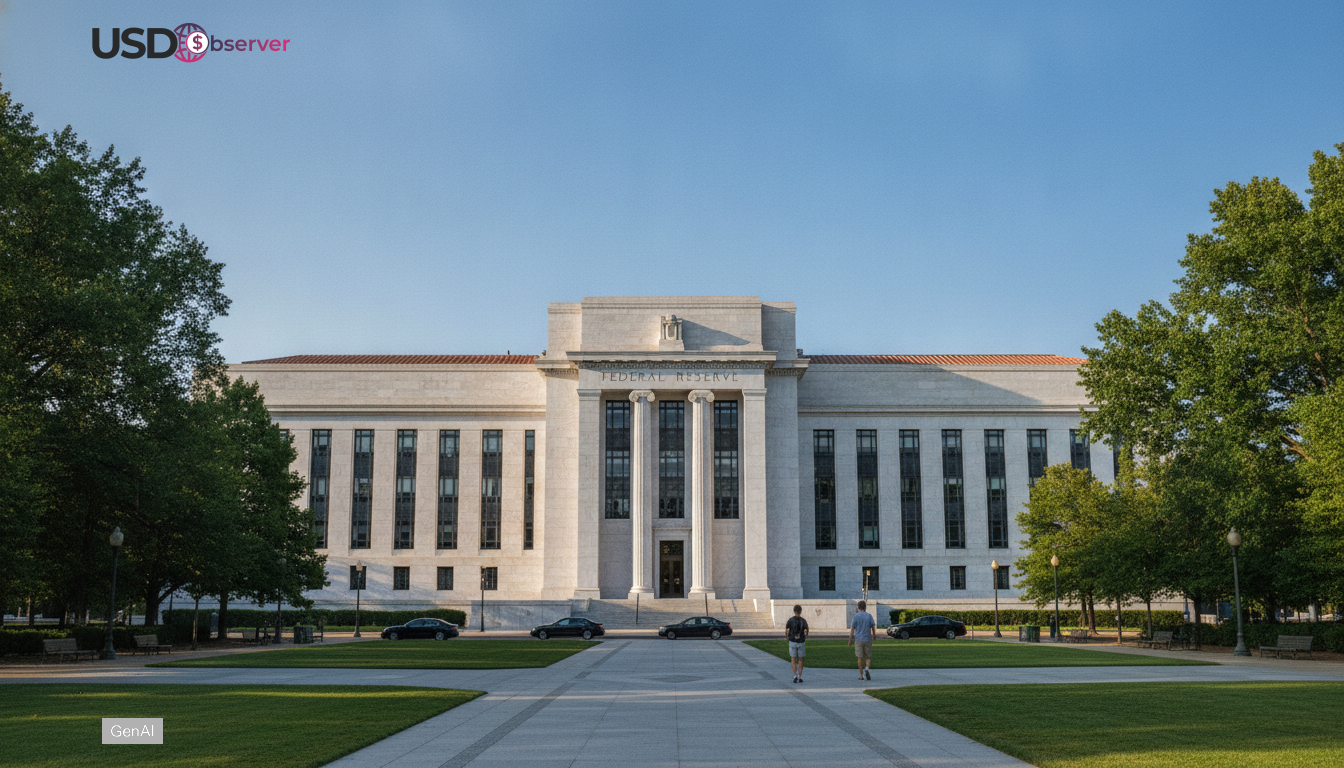
For emerging markets, a strong dollar makes external debt more expensive and can drain local liquidity as investors shift funds toward U.S. assets. The IMF highlights that nearly 60 percent of global reserves and more than half of international trade are still denominated in dollars, leaving much of the world exposed to shifts in U.S. monetary policy. As long as global growth remains uneven and uncertainty persists, demand for dollar-denominated assets will likely remain elevated. However, the IMF also notes that sustained dollar strength risks tightening global financial conditions further, potentially amplifying vulnerabilities in low-income economies.
Debt and Inflation Pressures Persist
High public debt and sticky inflation continue to complicate policymaking. The IMF estimates that global debt has reached around 93 percent of world GDP, a figure that leaves little room for fiscal expansion should growth weaken further. Advanced economies are facing growing political pressure to maintain spending levels, while emerging markets are struggling to service existing obligations as financing costs rise.
Inflation, though down from its 2023 peaks, remains above target in most major economies. Central banks are expected to keep policy rates elevated for longer, even as growth slows. This persistence reflects not only cost pressures but also structural changes in energy markets, labor supply, and technology investment. The IMF cautions that a premature easing of monetary policy could reignite inflation, forcing an even more painful tightening cycle later. The challenge is to maintain disinflation without tipping economies into stagnation.
Geopolitical and Trade Risks Add Uncertainty
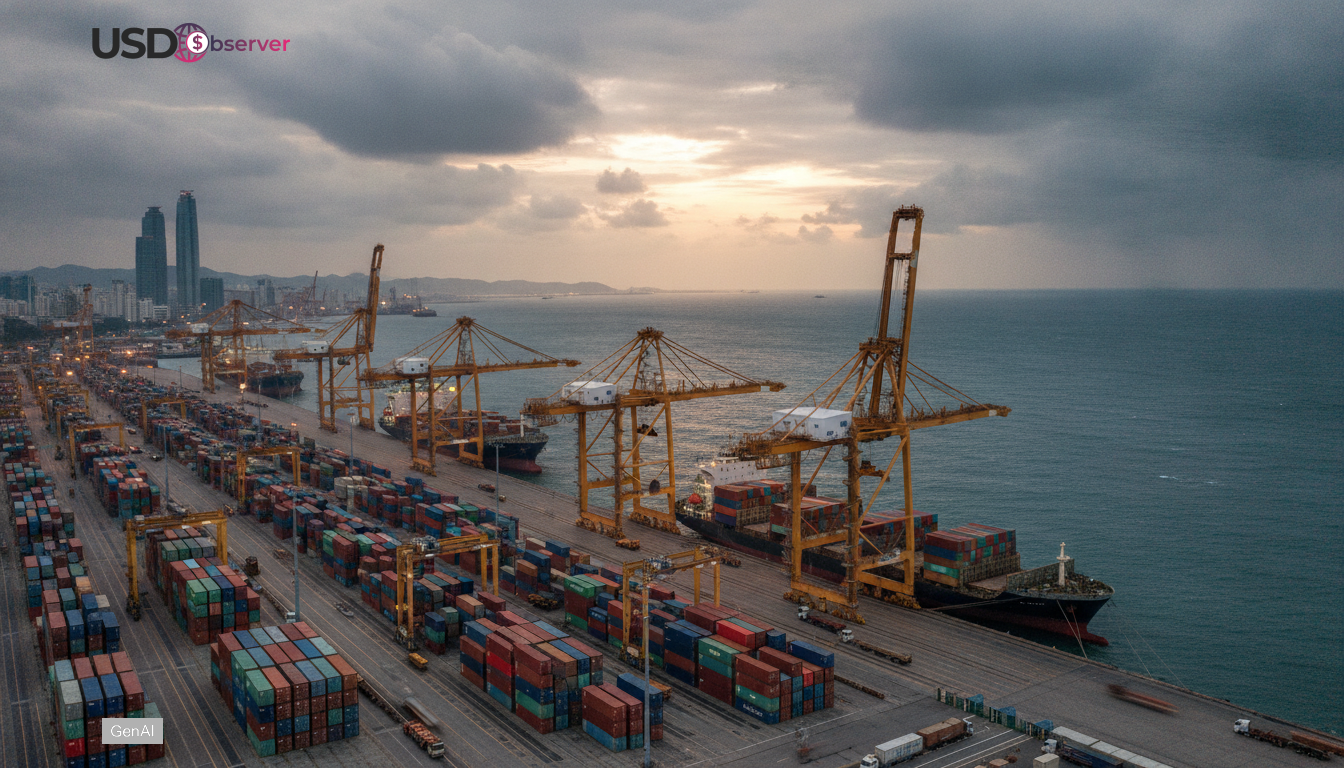
Geopolitical tensions remain one of the biggest wildcards in the IMF’s forecast. The ongoing conflict in Eastern Europe, renewed trade restrictions between major economies, and energy supply disruptions all threaten to derail fragile improvements in global sentiment. The IMF’s economists also warn that the growing trend toward protectionism and industrial policy could fragment global trade further, weakening long-term productivity growth.
For the U.S., this environment creates both advantages and risks. On one hand, the dollar’s safe-haven appeal strengthens capital inflows. On the other, the same flows can drive exchange-rate volatility and complicate export competitiveness. The IMF calls for renewed global cooperation on trade, debt restructuring, and financial regulation to reduce systemic risks. Without such coordination, policymakers may find themselves reacting to crises rather than preventing them.
Conclusion
The IMF’s 2025 outlook captures a world at an economic crossroads. Growth remains positive but fragile, the dollar remains dominant but divisive, and inflation remains subdued yet persistent enough to limit policy flexibility. The Fund’s message to policymakers is one of caution: avoid complacency, maintain coordination, and prepare for shocks rather than assuming the worst is over.
For investors, the report underscores the need to adapt to a slower, more fragmented global economy where dollar liquidity, interest rates, and policy divergence will continue to drive market dynamics. The dollar’s strength, once a symbol of stability, now reflects a deeper imbalance between resilience and risk. As the IMF warns, the next phase of the global economy will depend less on who grows fastest and more on who manages the vulnerabilities that growth leaves behind.