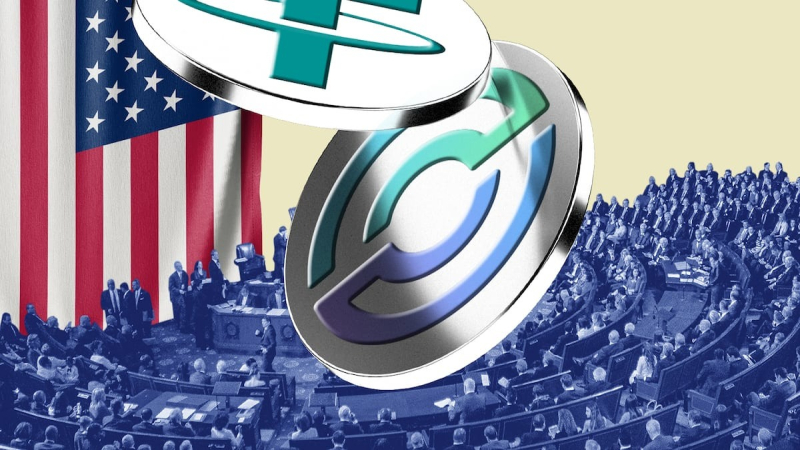
Stablecoins continue to play a central role in global digital finance, with dollar backed tokens serving as the dominant medium for settlement, liquidity management, and cross border transactions across crypto and fintech ecosystems. As demand for dollar exposure grows internationally, regulatory developments in the United States are becoming increasingly important in shaping how stablecoins are perceived, used, and integrated into global markets. The year ahead may see new frameworks that clarify oversight, strengthen reserve requirements, and define how stablecoin issuers operate within broader financial infrastructure.
These potential regulatory adjustments have drawn attention from institutions, platforms, and policymakers worldwide because of their influence on liquidity, accessibility, and compliance standards. Clarity around issuance, custody, and redemption practices could increase the legitimacy of dollar stablecoins while also imposing new constraints that reshape competitive dynamics. The evolving regulatory environment raises important questions about how global demand might shift as the United States refines its approach.
Why US Regulatory Changes Hold Global Importance for Dollar Stablecoin Demand
The United States remains the anchor for dollar denominated financial instruments, and any regulatory shift that affects stablecoin issuance will directly influence global behavior. Much of the world relies on dollar backed tokens for liquidity needs, and greater clarity around compliance, reserve quality, and operational standards could raise confidence among institutional users. These improvements would likely increase demand from platforms seeking stable sources of USD exposure in digital form.
At the same time, tighter oversight could reshape the competitive landscape among issuers. If regulations require enhanced reserve transparency or limit the types of entities eligible to issue dollar backed tokens, some existing providers may face new hurdles while others gain advantages from stronger institutional alignment. The outcome could be a market where fewer but more robust issuers dominate flows, creating a more consolidated environment for global users.
The clarity and predictability of regulatory standards also influence how banks and financial institutions integrate stablecoins into their operations. More explicit rules around custody, redemption, and capital requirements could encourage traditional institutions to adopt stablecoin rails for payments, liquidity management, or tokenized asset settlement. This integration would increase global demand for regulated stablecoins and strengthen the link between digital instruments and broader USD funding channels.
Institutional Users Are Preparing for Tighter Oversight
Institutions that rely on stablecoins for collateral management, settlement processes, or market making activity are already preparing for potential regulatory adjustments. These firms are building internal frameworks that anticipate higher compliance standards, including enhanced monitoring of reserves and more detailed reporting of transaction flows. Preparing early allows them to maintain operational continuity regardless of how the regulatory landscape evolves.
Potential Shifts in Reserve Structure Could Influence Liquidity
Regulators may require issuers to maintain high quality and short duration reserves to back stablecoins. Such requirements would align stablecoins more closely with traditional money market structures. If implemented, these changes could improve liquidity stability while reducing exposure to less liquid assets. The resulting environment would strengthen global confidence but may reduce the ability of some issuers to scale rapidly without increasing costs.
Cross Border Use May Grow if Regulatory Standards Strengthen
Global demand for dollar backed stablecoins is substantial in regions where access to traditional USD banking channels is limited or costly. If US regulatory changes enhance the credibility of stablecoins without restricting cross border access, adoption could accelerate further. Markets experiencing inflation volatility or limited local capital market development often gravitate toward stable USD instruments as a tool for risk management and transaction efficiency. Stronger oversight could reinforce these use cases rather than limit them.
Conclusion
US regulatory shifts have the potential to reshape global demand for dollar stablecoins by strengthening confidence, improving reserve quality, and encouraging greater institutional participation. While tighter rules may challenge some issuers, they are also likely to create a more transparent and stable environment that supports long term growth. As stablecoins become increasingly integrated into global payment and liquidity systems, regulatory clarity in the United States will play a major role in determining how demand evolves through 2026.