London, August 27 – From crude oil to coffee beans, copper to cotton, one common thread runs through global trade: the dominance of the U.S. dollar. For decades, the greenback has not only served as the world’s reserve currency but also the primary unit of account in international commodity pricing. Whether exporters are in Africa, Asia, or Latin America, the dollar underpins transactions, contracts, and valuations across global markets. Yet, as global trade flows evolve and new economic powers emerge, questions are rising about how firmly the dollar will continue to shape commodity pricing.
A Dollar-Denominated World
The roots of the dollar’s dominance in commodity markets date back to the mid-20th century, when post-war reconstruction and the Bretton Woods system elevated the U.S. economy to unrivaled prominence. By the 1970s, nearly all key commodities, including oil, gold, and agricultural products, were priced in dollars. This dollar-centric system simplified international trade, creating a single benchmark that reduced currency risks for traders and provided stability to contracts.
Today, over 80% of global commodity transactions are conducted in U.S. dollars, according to data from the International Monetary Fund (IMF). Whether it’s iron ore shipped from Brazil to China or soybeans exported from the U.S. Midwest to Europe, the settlement currency of choice remains the dollar.
Why the Dollar Matters for Commodity Pricing
Commodity exporters and importers closely watch the dollar’s movements because it directly influences pricing and affordability. A stronger dollar typically makes commodities more expensive for non-U.S. buyers, as they must convert their weaker local currencies into more costly dollars. This dynamic can reduce global demand and push prices lower. Conversely, when the dollar weakens, commodities become cheaper internationally, often driving demand higher.
Take oil as an example: when the dollar appreciates, energy importers like India or Turkey face higher import bills, fueling inflation and straining trade balances. In contrast, a weaker dollar tends to provide relief, boosting global energy demand and trade activity.
Emerging Market Pressures
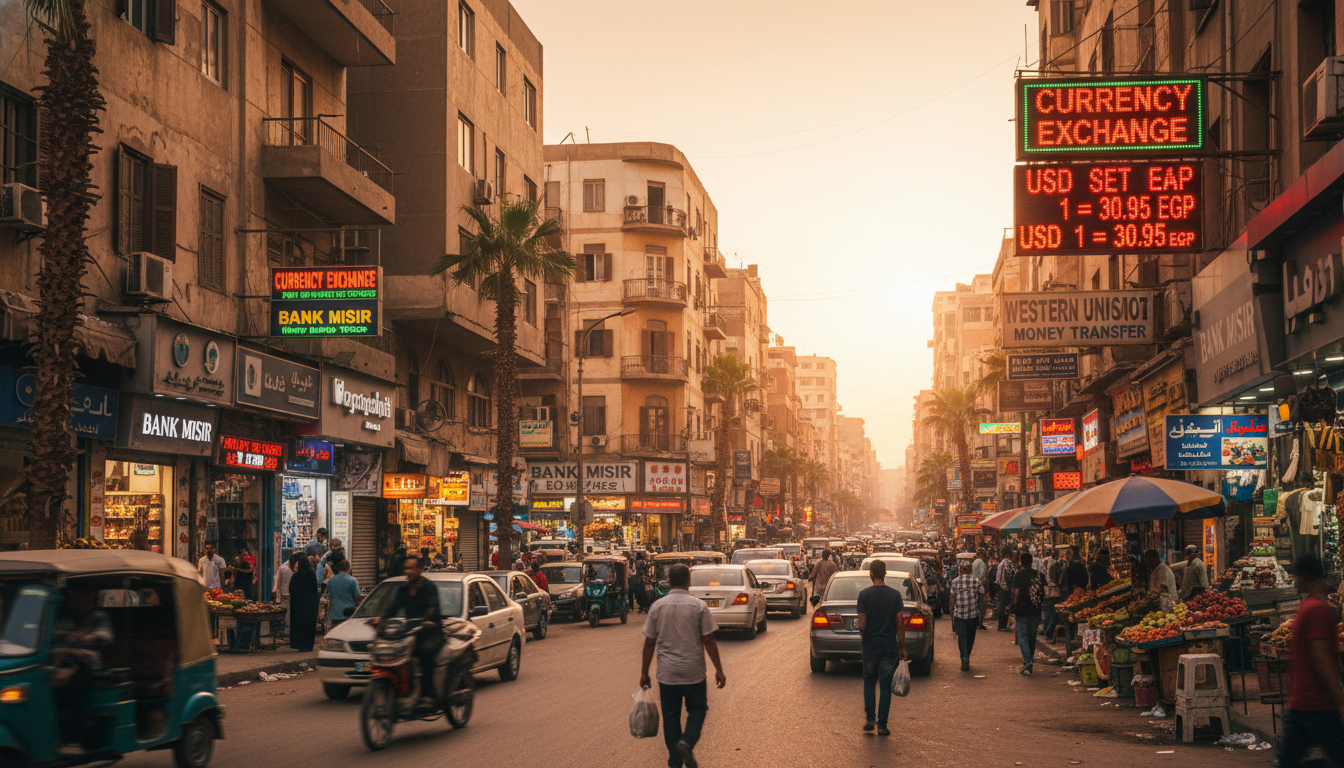
The dollar’s influence is especially pronounced in emerging markets, where economies are more vulnerable to currency swings. Many developing countries rely on importing essential commodities such as food, fuel, and metals. When the dollar strengthens, their costs soar, often leading to inflation spikes, balance-of-payments crises, or even social unrest.
For exporters in emerging markets, however, the picture can be mixed. While they benefit from higher dollar-denominated revenues, they also grapple with rising local costs if their currencies weaken. This dual effect makes dollar trends a critical determinant of economic health in much of the Global South.
Global Trade Flows and Imbalances
Because commodities are priced in dollars, nations with large reserves of the currency hold a competitive edge in global trade. Countries like China, Japan, and Gulf energy exporters manage significant dollar reserves to ensure smoother trade flows and hedge against currency risk. This dynamic reinforces the cycle of dollar dependence, as global trade partners continuously demand the greenback to participate in commodity markets.
At the same time, the dollar’s role in trade flows creates systemic imbalances. U.S. deficits, financed by foreign investment in Treasury securities, are indirectly sustained by global demand for dollars in trade. This feedback loop ties the health of global trade to the fiscal and monetary policies of the United States.
Challenges to Dollar Dominance
Despite its entrenched role, the dollar faces growing challenges. China, the world’s largest commodity importer, has pushed for greater use of the yuan in trade settlements, particularly with energy suppliers like Russia and the Middle East. In 2018, Beijing introduced yuan-denominated oil futures, marking a strategic step toward diversifying away from dollar dependence.
Similarly, discussions around creating commodity trade systems based on regional currencies or even digital currencies are gaining momentum. The BRICS nations, for example, have debated establishing alternatives to the dollar in commodity transactions to reduce vulnerability to U.S. monetary policy and sanctions.
The Digital Currency Factor
Central Bank Digital Currencies (CBDCs) could further disrupt the dollar’s monopoly in commodity pricing. If widely adopted, CBDCs may allow countries to bypass traditional dollar-based payment systems like SWIFT, creating more direct and efficient trade channels. However, analysts caution that the scale, trust, and liquidity of the dollar remain unmatched, making it difficult for alternatives to replicate its role in the near future.
Outlook: Evolution, Not Revolution
While the debate over dollar dominance intensifies, most experts believe the shift will be evolutionary rather than revolutionary. The liquidity of U.S. financial markets, the depth of dollar-denominated assets, and the stability of U.S. institutions provide a foundation that competing currencies lack.
Still, incremental changes are inevitable. As China, India, and other emerging economies grow their share of global trade, experiments with non-dollar commodity pricing will likely increase. The dollar may retain its central role, but its exclusivity could fade over time.
Bottom Line
The U.S. dollar remains the anchor of global commodity pricing, shaping trade flows, economic stability, and financial balances worldwide. From influencing inflation in emerging markets to determining the cost of oil, copper, and grain, the greenback’s reach is unparalleled. Yet, in a shifting geopolitical and technological landscape, its grip is no longer uncontested. Whether through yuan-denominated oil, CBDCs, or regional currency blocs, the future of commodity pricing may be more diversified. For now, however, traders and policymakers alike must navigate a global trade system where the dollar still calls the shots.