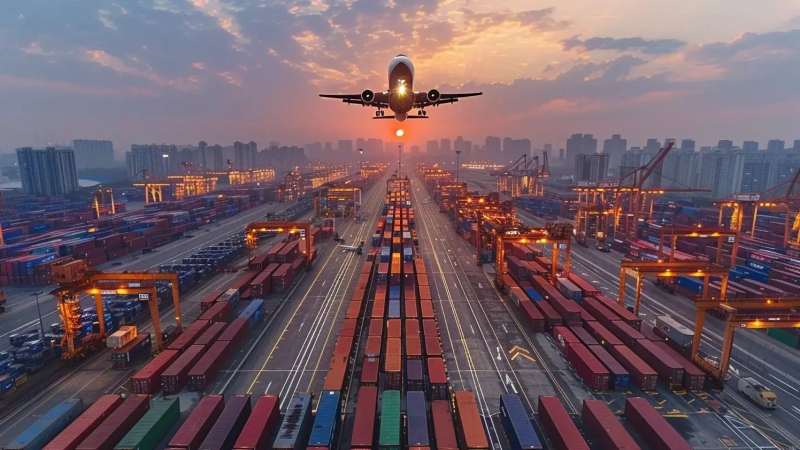
Global supply chain activity is showing signs of renewed stability as freight costs decline for the fourth consecutive month. After several years of elevated shipping prices driven by congestion, labor shortages, and shifting consumer demand patterns, logistics networks are beginning to normalize. The recent easing in freight rates reflects improvements in carrier capacity, smoother port operations, and a more balanced flow of goods across major trade routes. These developments are helping reduce cost pressures for businesses and contributing to a more predictable trading environment.
Despite the progress, the transportation sector remains sensitive to fluctuations in demand and changes in geopolitical risk. Markets are watching closely to determine whether the current trend will continue into next year, especially as global manufacturing data remains uneven across regions. While supply chains are more stable than they were during previous disruptions, the system is still vulnerable to shocks that could disrupt the recent improvements.
Easing freight costs signal a more balanced global logistics environment
The decline in freight rates is a key indicator that supply chains are moving toward equilibrium after years of volatility. Shipping prices surged during the pandemic due to the rapid expansion of e commerce, limited vessel availability, and capacity bottlenecks in major ports. As consumer spending patterns normalize and inventories level off, carriers have regained flexibility in managing capacity. This allows them to reduce prices and maintain more consistent service schedules.
Lower freight costs are particularly beneficial for industries that rely heavily on imported components or finished goods. Electronics, automotive, and retail sectors have all seen meaningful relief in logistics expenses, which had previously eroded margins and contributed to higher consumer prices. The stabilization of freight markets may help ease inflationary pressures, especially in regions where import costs play a significant role in overall price levels.
Port operations have also improved. Congestion levels have fallen at many major hubs, and container turnaround times have shortened. These gains reduce the likelihood of unexpected delays and support more efficient supply chain planning. While challenges remain in certain regions, the overall trend points toward greater operational efficiency.
Global manufacturing trends remain mixed despite supply chain improvements
Although logistics conditions have improved, global manufacturing activity continues to show uneven performance. Some regions have seen modest expansions, while others face declining output due to softer domestic demand and tighter financial conditions. Supply chain stabilization alone cannot fully offset the impact of weaker macroeconomic trends, which continue to influence production decisions and inventory management.
Manufacturers are proceeding cautiously as they monitor orders, raw material prices, and exchange rate movements. In many economies, higher interest rates have reduced consumer spending and slowed investment in durable goods. This affects the volume of goods flowing through global supply chains and influences long term transportation demand.
However, the normalization of supply chains may support a recovery in manufacturing once economic conditions improve. More predictable logistics networks help firms plan production cycles more efficiently and reduce the need for excess inventory. This may encourage more strategic investment in production and distribution capabilities over time.
Firms diversify trade routes to enhance resilience
One notable trend that has accelerated in recent years is the diversification of trade routes and supplier networks. Companies have sought to reduce dependence on single regions or vulnerable chokepoints by expanding their sourcing strategies. This shift includes reshoring, nearshoring, and the development of new regional trade partnerships.
The decline in freight costs supports these diversification efforts by lowering the financial barriers associated with shifting logistics operations. Businesses can experiment with alternate routes or new suppliers without facing the high transportation premiums that characterized previous years. Over time, this could contribute to a more distributed and resilient global supply chain network.
Nonetheless, diversification comes with its own challenges. Firms must evaluate legal frameworks, labor availability, infrastructure quality, and geopolitical risks when selecting new partners. As a result, the process is gradual and requires long term planning.
Freight rates still vulnerable to geopolitical and energy market shifts
While recent improvements are encouraging, global supply chains remain exposed to shocks that could disrupt momentum. Geopolitical tensions continue to influence shipping routes and insurance costs. At the same time, fluctuations in energy prices can rapidly alter carrier expenses, which may be passed along to customers through adjusted freight rates.
Natural disasters and climate related events also pose risks to port infrastructure and shipping schedules. These factors highlight the importance of ongoing investments in logistics resilience and risk management strategies.
Conclusion
Global supply chain activity is stabilizing as freight costs decline for a fourth straight month, offering relief to businesses and easing pressure on inflation. Although manufacturing trends remain mixed, improved logistics conditions provide a more predictable foundation for global trade. Continued vigilance is needed, as geopolitical and energy related risks could influence the trajectory of freight markets in the months ahead.