Why the Fed Paused Mid-2023
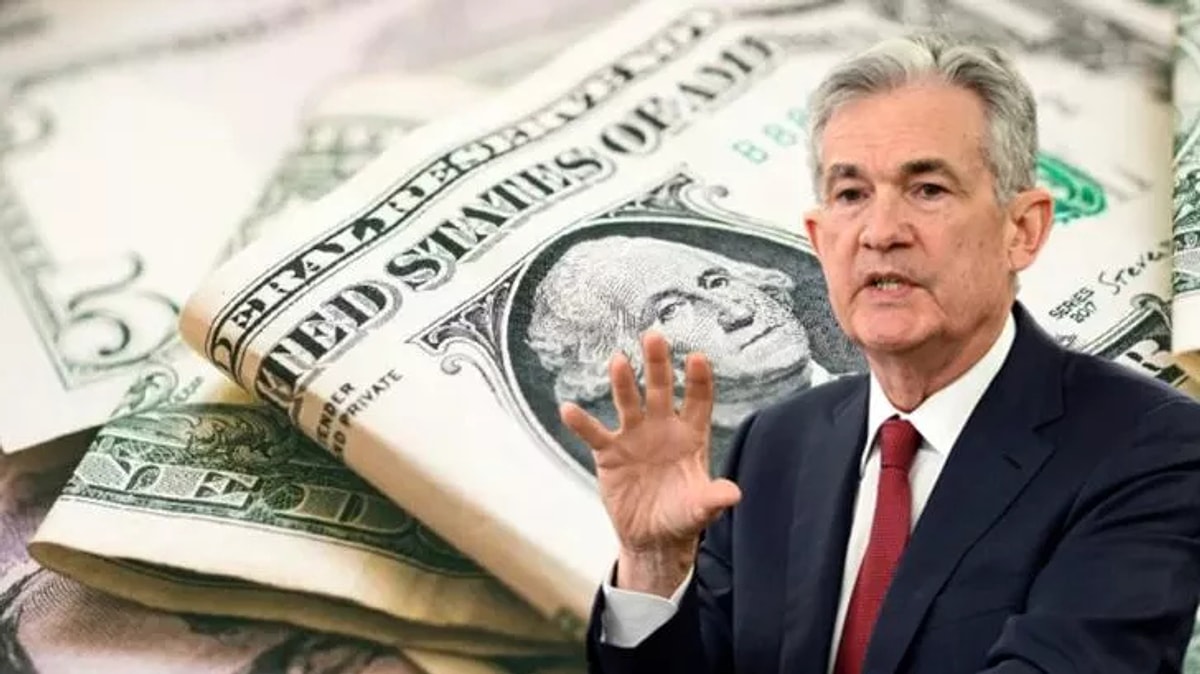
In June 2023, after ten straight rate hikes, the Federal Reserve held rates steady at 5.00%–5.25%. The move surprised some traders expecting another hike, but policymakers emphasized the pause was tactical — an opportunity to “assess the cumulative impact” of prior hikes.
The decision rested heavily on two key data points: GDP growth and labor market resilience. Both signaled that the U.S. economy was strong enough to weather high rates, but not overheated enough to force an immediate hike.
GDP Growth: Resilient Despite Higher Rates
- Q1 2023: GDP grew at an annualized 2.0%, revised upward from 1.1%. Consumer spending was stronger than expected, reflecting household resilience.
- Q2 2023: Growth slowed modestly to 2.1%, but still positive. On a YoY basis, GDP hovered near 2.4%, well above Europe’s stagnation and China’s slowing rebound.
- MoM activity: High-frequency data — retail sales, industrial output, personal consumption — showed steady expansion through mid-2023, even as housing weakened.
In short, output data suggested a “soft landing” was still possible. The Fed could justify pausing because growth hadn’t collapsed, but it also hadn’t accelerated uncontrollably.
Unemployment: Historically Tight
- June 2023 unemployment rate: 3.6%, barely changed from 3.5% a year earlier.
- MoM trend: Between January and June, unemployment wavered in a narrow 3.4–3.7% band, underscoring stability.
- YoY comparison: The rate in mid-2023 was almost identical to mid-2022, even after 500+ basis points of tightening.
Nonfarm payrolls added 209,000 jobs in June, down from the blockbuster prints of 2022 but still solid. Wage growth moderated to ~4% YoY, suggesting inflationary pressures were easing without triggering mass layoffs.
This combination — slower but still positive job creation, historically low unemployment, and controlled wage growth — gave the Fed cover to pause without stoking recession panic.
Why the Dollar Stayed Strong
Normally, a Fed pause might weaken the currency. But the USD remained resilient for three reasons:
- Relative Strength vs. Peers
U.S. GDP at 2%+ and unemployment under 4% compared favorably with the euro area’s near-zero growth and higher joblessness, and Japan’s policy inertia. - Hawkish Pause
The Fed signaled more hikes later in 2023, projecting rates above 5.5%. Markets interpreted the pause as tactical, not dovish. - Safe-Haven Role
With recession fears in Europe and sluggish China data, capital flowed into U.S. assets. The DXY index held above 101–103, resisting a deeper sell-off.
Data at a Glance
| Indicator | MoM Trend (H1 2023) | YoY (mid-2023) | Implication for Fed |
|---|---|---|---|
| GDP growth | +0.3–0.4% monthly pace | +2.4% YoY | Economy resilient, no collapse |
| Unemployment rate | Stable 3.4–3.7% band | ~3.6% YoY | Labor market tight, soft landing plausible |
| Nonfarm payrolls | ~200k monthly adds | Slower vs. 2022 | Slowing, but still growth |
| DXY (Dollar Index) | 101–103 range | +4–5% vs. 2022 | Stronger dollar despite pause |
Takeaways
- GDP resilience: Growth at ~2% annualized meant no urgent need to keep hiking in June.
- Unemployment stability: A jobless rate under 4% signaled strength, but not enough overheating to force immediate action.
- USD resilience: With global peers weaker, even a paused Fed could anchor dollar strength.
Conclusion
The Fed’s mid-2023 pause was not about weakness — it was about calibration. A combination of steady GDP growth and historically low unemployment allowed policymakers to catch their breath without losing credibility. For the dollar, the message was simple: relative strength matters more than absolute moves. Even when the Fed stood still, the U.S. economy’s performance kept the greenback in demand.