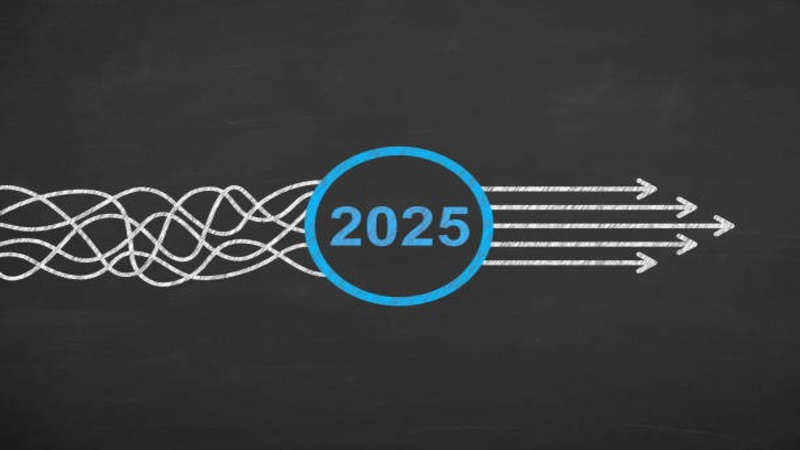
For much of the modern economic era, global cycles moved together. Growth accelerated and slowed across regions in broadly similar patterns, shaped by shared trade networks, capital flows, and monetary policy signals. That synchronisation made forecasting easier and allowed global indicators to capture momentum with reasonable accuracy.
In 2025, that framework no longer applies. Economic cycles have become increasingly regional, shaped by local policy choices, demographic realities, fiscal capacity, and exposure to global fragmentation. Instead of a single global rhythm, the world economy now operates through overlapping but distinct regional paths.
Global Synchronisation Has Broken Down
The most important shift is the breakdown of synchronised global cycles. Monetary tightening and easing once transmitted quickly across borders through capital flows and exchange rates. Today, those channels are weaker. Different regions face different inflation dynamics, labor market conditions, and fiscal constraints.
As a result, policy responses vary widely. Some economies are focused on stabilisation after aggressive tightening, while others are still managing inflation or supporting fragile growth. These divergent responses prevent the formation of a unified global cycle and reinforce regional differentiation.
Policy Choices Are Driving Regional Outcomes
Regional divergence is increasingly shaped by domestic policy decisions rather than global conditions. Fiscal policy plays a larger role, with governments choosing how and where to allocate spending based on strategic priorities. Infrastructure investment, energy security, and industrial policy differ sharply across regions.
Monetary policy also reflects local realities. Central banks respond to domestic inflation pressures, housing markets, and employment trends rather than following a global template. These choices amplify divergence, as economies move at different speeds and along different trajectories.
Trade Realignment Reinforces Economic Separation
Trade patterns contribute significantly to regional divergence. Supply chain realignment has strengthened regional blocs while weakening global integration. Economies embedded in resilient supply networks benefit from stable demand, while others face adjustment costs.
This realignment changes how growth shocks propagate. A slowdown in one region no longer transmits evenly across the world. Instead, its impact depends on trade exposure, strategic alignment, and supply chain relevance. Regional cycles become more insulated from one another.
Financial Conditions Are No Longer Uniform
Financial conditions differ more sharply across regions than in the past. Access to capital, currency stability, and funding costs vary based on financial depth and policy credibility. Economies with strong institutions and reserve currency access enjoy greater flexibility, while others face tighter constraints.
These differences influence investment and consumption patterns. Regions with favorable financial conditions can sustain activity despite global uncertainty. Those facing higher funding costs or capital flow volatility experience slower growth, reinforcing divergence even when global liquidity appears ample.
Demographics and Productivity Shape Long Term Paths
Underlying structural factors further widen regional gaps. Demographic trends influence labor supply and consumption potential. Productivity growth varies based on technology adoption, education, and regulatory environments.
These factors operate independently of short term cycles. Regions with aging populations and weak productivity face persistent headwinds, while those investing in skills and innovation maintain momentum. Over time, these structural differences solidify divergent economic paths.
Conclusion
The global economy in 2025 is no longer defined by synchronised cycles but by regional divergence. Local policy choices, trade realignment, financial conditions, and structural factors shape outcomes more than shared global forces. Understanding these regional dynamics is essential for interpreting growth, risk, and opportunity in a world where economic cycles no longer move in unison.