Introduction
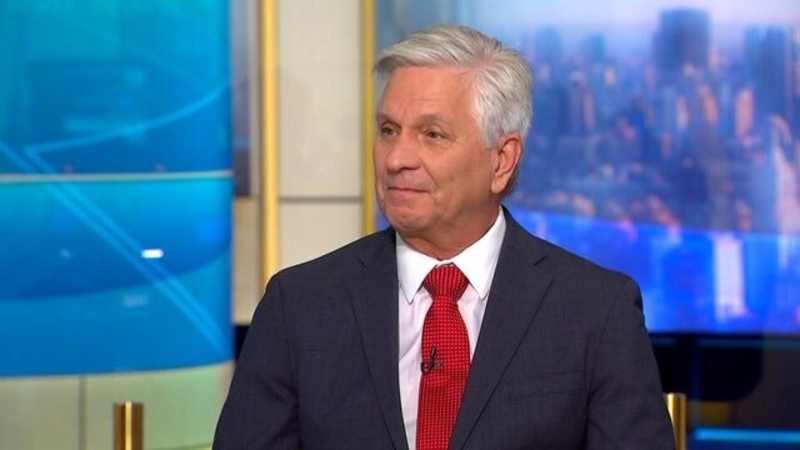
Federal Reserve Governor Christopher Waller has publicly supported a 25-basis-point interest rate cut at the Fed’s upcoming October meeting, signaling that policymakers may be ready to shift toward a more accommodative stance after months of holding steady. His comments, delivered during a financial policy conference in Washington, mark one of the clearest endorsements yet for easing in response to slowing domestic demand and softening labor market conditions. Waller emphasized that the U.S. economy remains fundamentally strong but faces mounting headwinds from tighter credit, weaker investment, and slowing global trade.
Markets immediately responded to his remarks, with Treasury yields falling and the U.S. dollar easing modestly against major peers such as the euro and yen. Investors interpreted Waller’s tone as confirmation that the Fed is increasingly confident inflation is moving sustainably toward its 2 percent target. As traders recalibrated expectations, futures markets priced in a strong likelihood of a rate cut at the October 30 meeting. The focus has now shifted to whether this move will simply cushion a slowing economy or signal the start of a broader cycle of monetary easing.
Why the Fed Is Leaning Toward Easing
Waller’s argument for a rate cut rests on the idea that policy is still restrictive, and that failing to adjust could slow growth more than intended. Inflation pressures, once the Fed’s central concern, have continued to moderate across core goods and services categories. Recent consumer price index data showed a year-over-year rise of just 2.3 percent, well within the range consistent with the Fed’s long-term target. Wage growth has also cooled slightly, suggesting that the labor market is rebalancing without triggering a wage-price spiral.
In this context, Waller and several of his colleagues see a small rate cut as a “risk-management” move an attempt to secure the soft landing that has eluded many central banks in previous tightening cycles. By acting preemptively, the Fed aims to support consumer and business confidence while preserving flexibility in case inflation surprises again later in the year. The decision would also mark a symbolic transition from the aggressive anti-inflation stance of 2023–2024 to a more balanced focus on growth stability.
Market Reaction and Dollar Implications
Following Waller’s comments, the dollar slipped against a basket of currencies as traders reassessed yield differentials. The euro rose to its highest level in two weeks, while the yen and Swiss franc also gained modestly. Currency strategists said that the market’s response reflects growing expectations of a dovish turn by the Fed, which would narrow interest-rate gaps that have long supported dollar strength. The drop in yields on two-year Treasuries underscored this shift, as investors moved into bonds ahead of potential policy easing.
For global markets, a softer dollar carries both opportunities and risks. On one hand, it can ease financial pressure on emerging markets that borrow in dollars, helping reduce debt servicing costs and capital outflows. On the other hand, it may encourage speculative inflows into commodities and high-yield assets, increasing volatility. Analysts note that a sustained dollar decline could relieve some strain on global trade, particularly for developing economies that import heavily from the U.S. Yet, the overall impact will depend on how synchronized other major central banks are in adjusting their own policy paths.
Broader Implications for Global Growth
A more accommodative Fed could offer relief to the global economy, which has struggled with slowing demand and reduced trade flows in 2025. Asia’s export engines, including China and South Korea, have been hit by weak consumer spending in Western economies, while Europe faces its own cyclical slowdown. A U.S. policy pivot might help stabilize demand by supporting consumption and investment. The effects of a weaker dollar would also filter through commodity markets, potentially boosting emerging market exporters of metals, energy, and agricultural goods.
However, the benefits are not guaranteed. If the rate cut sparks renewed inflationary fears or leads to an asset bubble, it could complicate the Fed’s efforts to maintain credibility. Additionally, countries that rely heavily on dollar-denominated funding may still face challenges if capital flows shift unpredictably. For now, economists appear to agree that moderate easing would be positive for global liquidity, but only if inflation continues to trend lower and fiscal conditions remain disciplined across major economies.
What Comes Next for U.S. Policy
The October rate cut debate comes at a time when policymakers are balancing multiple signals. Growth remains positive but slower, consumer confidence has plateaued, and housing activity continues to show signs of strain under lingering affordability issues. While Waller’s remarks suggest growing alignment within the Federal Open Market Committee (FOMC) around easing, other members have urged patience, warning that inflation risks are not yet fully subdued. Market observers expect the Fed to frame any rate cut as a “technical adjustment” rather than the start of an extended cycle.
If inflation remains under control and economic indicators soften further, the Fed could move again in December or early 2026. Much will depend on how employment and wage data evolve, as well as external risks like China’s trade stance and European fiscal policy. The central bank’s communication strategy will be key: signaling confidence without complacency could help anchor expectations while maintaining room to maneuver if conditions change.
Conclusion
Christopher Waller’s call for an October rate cut highlights the evolving priorities within the Federal Reserve as inflation moderates and growth risks rise. His stance suggests that the Fed is ready to pivot from restraint to cautious support, seeking to protect both domestic momentum and global financial stability. A softer dollar, if sustained, could act as a mild stimulus for global trade and investment, providing breathing room for economies strained by tight liquidity and slowing demand.
Still, the path ahead remains uncertain. Too aggressive an easing could reignite inflation, while too little could stifle growth just as momentum fades. For now, the Fed’s balancing act is as delicate as ever managing inflation, maintaining confidence, and ensuring that the world’s most important currency continues to serve as a pillar of stability in an unpredictable global economy.