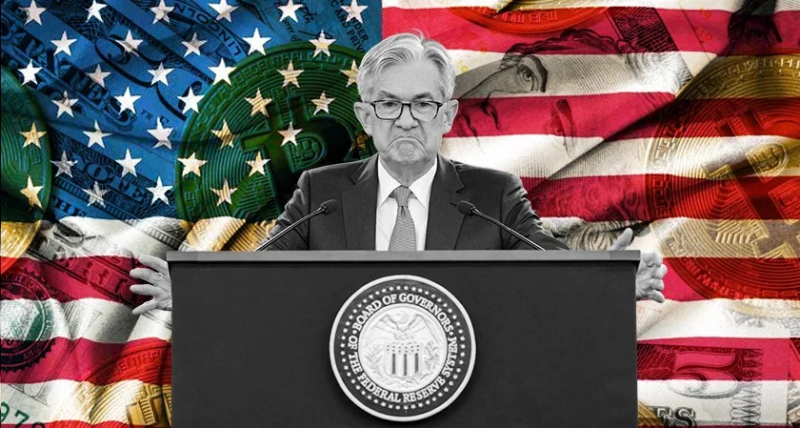
The journey toward a digital version of the U.S. dollar has progressed from theoretical discussion to tangible institutional pilots in 2025. The Federal Reserve is moving beyond internal research and collaborating with key financial players to test infrastructure, compliance, and payment flows. What once was a speculative policy ambition is now integrating workflow scenarios for banks, fintech firms, and cross-border payments.
For policymakers, central banks, and large financial institutions, the stakes are high. A digital dollar pilot has implications not only for how payments are settled but for the role of the U.S. dollar in global finance, the cost of transactions, and the supervision of new liquidity pathways. Understanding how this ecosystem is unfolding and the policy guardrails shaping it is now central to assessing the evolution of digital currency adoption.
Institutional Adoption and Policy Oversight
The most important subheading in this piece is institutional adoption and policy oversight. This theme captures how major financial institutions are being drawn into pilot programs even as regulatory frameworks are still catching up. In piecing together how the Fed is engaging with banks and financial intermediaries, one sees the beginnings of a structural shift in the payments network.
Simultaneously, regulators and policy-makers are actively defining what the guardrails will be. The Fed has emphasised that any digital dollar system must preserve monetary policy effectiveness, financial stability and privacy protections. If institutions step into the pilot phase before policy is fully crystallized, the risk is a misalignment between innovation and regulation. The question ahead is whether oversight can keep pace with adoption.
Pilot Architecture and Financial-System Flow
The architecture underlying the digital dollar pilot is starting to take shape. Banks and other financial players are being invited to test prototypes involving wholesale access, transaction settlement improvement, and tokenised asset transfers. These pilots address issues such as identity verification, account interoperability, and liquidity management across platforms. Since financial institutions already serve as gateways for most payments, their integration is critical to scaling a digital dollar beyond niche use-cases.
But building a viable system involves more than technology. Local- and cross-border settlement implications matter. For instance, the ability to transact 24/7, handle intra-day liquidity, and manage counterparty risk differently from existing systems is under evaluation. As the pilot evolves, the measurement of cost savings, risk mitigation and monetisation of transaction flows will help determine if the initiative moves from pilot to production.
Global Implications for Dollar Dominance
A U.S. digital dollar could reshape the global currency system. With over 60 % of global central-bank reserves held in dollars and many international payments routed through dollar-denominated infrastructure, a digital version enhances the U.S. dollar’s role but also raises questions about access and control. For countries with weaker banking systems or those subject to sanctions, the digital dollar could offer new entry points or new exclusion risks.
Moreover other central banks are watching closely. As the U.S. advances its pilot, rivals in Europe, Asia, and the Middle East are moving ahead with their own CBDC programmes. The window for leadership in payments innovation may be narrowing. If the U.S. fails to execute effectively, the digital dollar could lose an opportunity to maintain its global edge. The international dimension thus underscores that adoption is not only a domestic banking matter but part of strategic currency competition.
Risks and Strategic Scenarios for Roll-Out
While the pilot is advancing, the path to full deployment remains uncertain. One scenario sees the digital dollar launched in wholesale form first bank-only access with tokenised settlement for treasury bills or commercial-paper flows. A second scenario would expand to retail access, which would carry far greater implications for banking deposit flows, payment behaviors, and financial inclusion.
Key risks accompany both paths. If adoption is slow, the ecosystem may fragment, with private stablecoins and non-dollar systems gaining momentum. Alternatively if policy pushes ahead too fast without sufficient safeguards banks may face unintended liquidity risks or disintermediation. The timing of regulatory clarity, institutional onboarding, and technology readiness will determine which scenario unfolds.
Conclusion
The digital dollar pilot in 2025 is more than a technical experiment. It marks the convergence of institutional finance, regulatory policy, and global currency strategy. How the Fed, banks, and global players navigate adoption, oversight, and competition will shape not only payment systems but the future role of the U.S. dollar.