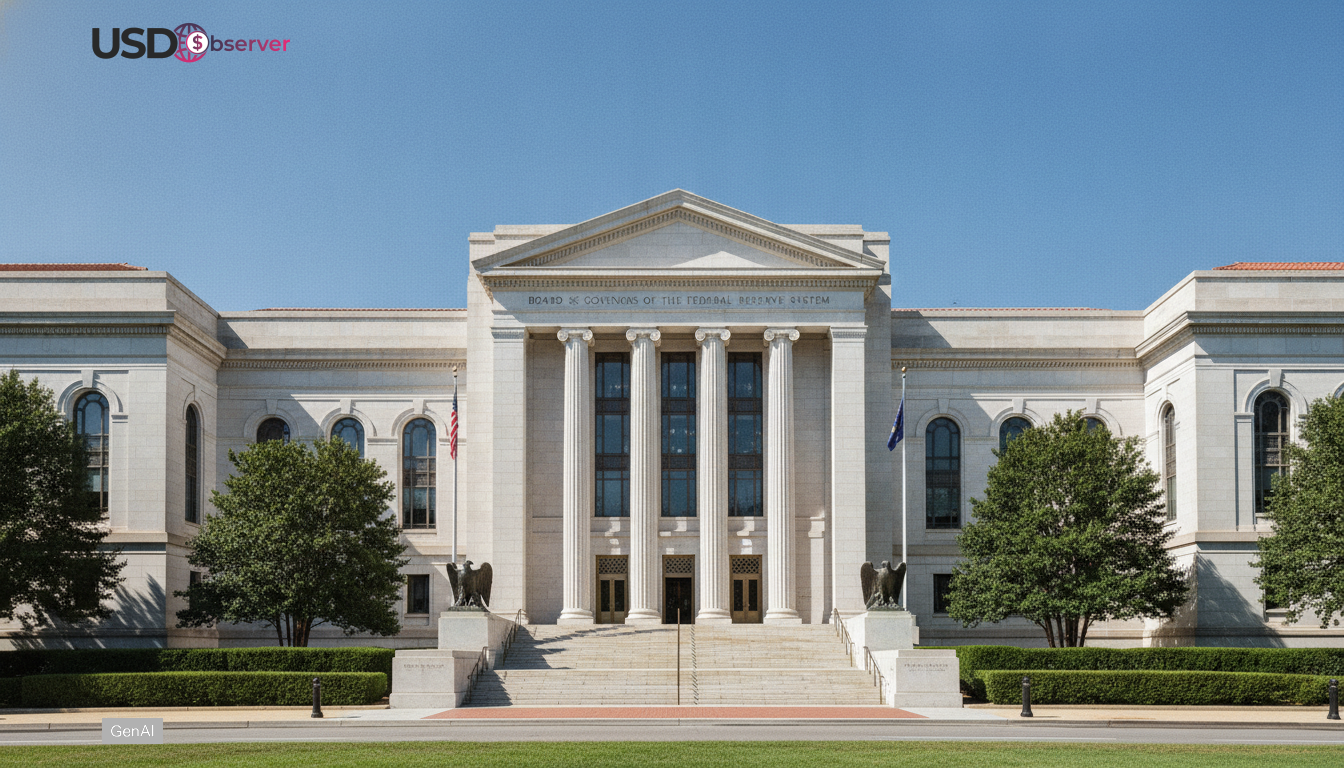
Federal Reserve holds rates in Warsh’s first meeting
The Federal Reserve kept the policy rate unchanged at what was described as Kevin Warsh’s first meeting as chair, setting a cautious baseline for markets and households. According to available reports, Warsh emphasized process and credibility rather than immediate surprises. Following staff briefings across supervision, markets, and research, the committee opted to hold steady, as indicated by reports. Alongside the rate decision, Warsh reportedly said he would launch a review of internal governance and communications to examine how decisions are prepared, debated, and explained. He framed the effort as improving clarity without changing the central bank’s legal mandate, according to available reports.
What the interest rate hold means for borrowing costs
A Federal Reserve hold typically keeps borrowing costs elevated and makes incoming data more important than rhetoric. The global backdrop matters too, as other central banks face similar tradeoffs; a BBC report on a rate hold and energy price risks shows how persistent cost shocks can complicate easing cycles. Officials often tie the stance of policy to inflation progress and labor market cooling, so a steady decision can put more weight on readings for wages, prices, and credit conditions. For payments and funding markets, cross border frictions can add noise to policy signals, as explored in China weighs rules as cross-border payments expand fast.
Market reaction to the Federal Reserve operations review
Traders often read a hold for clues about the next step, but available reports indicated Warsh’s emphasis on institutional mechanics shifted attention to how uncertainty will be communicated. Federal Reserve watchers noted reports describing an operations review of how the central bank operates, and adjustments to preparation, debate, or messaging could influence volatility by affecting how guidance is interpreted. Federal Reserve policy also interacts with dollar strength, real yields, and cross border funding conditions that shape risk pricing. For readers tracking how policy expectations move through global assets, USD strength and its impact on global risk repricing offers context on spillovers. Corporate treasurers and consumers typically feel the impact through variable rate loans and issuance timing.
Potential changes to Federal Reserve communications and tools
The near term policy question may be less about changing the mandate and more about how Warsh could influence the committee’s reaction function and decision preparation, as analysts often frame it. The Federal Reserve operations review can touch the structure of meeting materials, alternative forecasts, scenario design, and how dissent is documented, which can shift expectations even if rates stay put. The Federal Reserve could also revisit how it communicates balance sheet plans, since runoff pace and reserve conditions can shape money market functioning alongside the policy rate. Market participants will watch for any shift in emphasis between inflation risks and employment risks in official language, because that mix often guides futures pricing.
Kevin Warsh’s early leadership signals at the Federal Reserve
Warsh’s early leadership is likely to be judged through follow through rather than slogans. Pairing a rate hold with an operational review can signal a preference for internal accountability and clearer explanation of uncertainty, aimed at tightening the link between data and decisions, according to reports. Separately, debates around digital money and cash-like instruments continue to grow; Money Market Fund Explainer: State Street Stablecoin Reserves outlines how reserve management themes are widening. The Federal Reserve also faces scrutiny from investors and lawmakers on balancing independence with transparency, especially when communication can move markets quickly. Warsh’s next test will be keeping deliberations cohesive while maintaining optionality in a slowing, still inflation sensitive environment.