Bank of England interest rate outlook
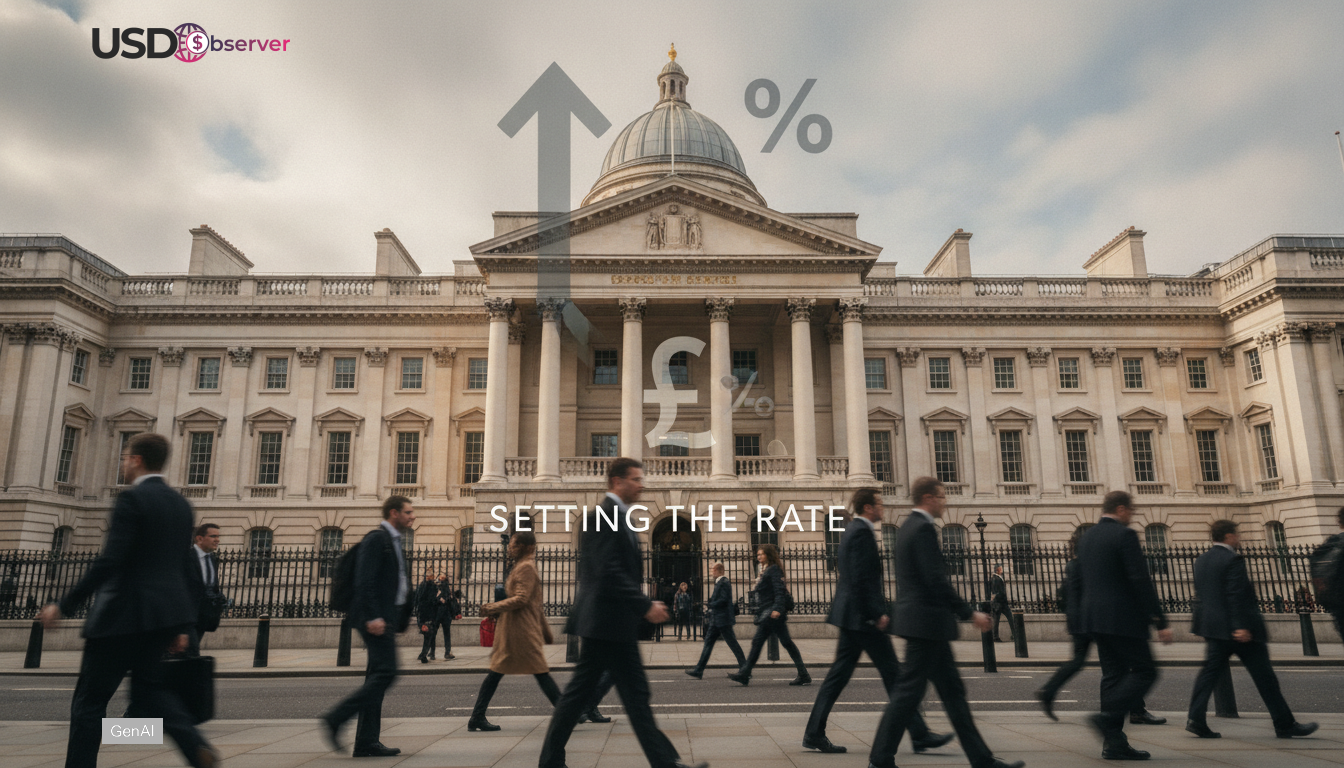
The Bank of England sits at the core of UK rate expectations, with each meeting potentially resetting forecasts for borrowing and saving. After a recent decision to hold rates, investors turned their attention to how officials described inflation, wage growth, and energy costs, plus whether policy still appears restrictive in real terms. Markets also watch the voting split and forward guidance because even minor shifts can move swap rates and retail lending offers rapidly. Among households, the immediate concern is how long tighter conditions will last before cuts begin, impacting monthly budgets. Similarly, UK businesses in sectors such as retail and construction are affected through hiring plans, cash flow, and confidence in demand.
Why the Bank of England is holding rates
Officials have indicated that sustained progress on inflation is necessary before policy can ease, particularly in services where wage growth can maintain price pressures. In its reporting on the hold, the BBC highlighted a warning about the impact of high energy prices and the delicate balance between price stability and growth in a fragile recovery, with a full context available here. These signals are crucial as they shape expectations for how long rates remain elevated, directly feeding into gilt yields and the cost of funding for banks. For more insight into how policy signals transmit into money markets, Money Market Fund Explainer outlines how short-term instruments and reserve assets can reprice swiftly when guidance changes. The Bank of England framing here can influence pricing well before any formal adjustment in Bank Rate.
Implications for mortgages and loans
Mortgage pricing often responds ahead of an actual Bank Rate change because lenders reprice fixed deals when swap rates shift. This can increase the cost of refinancing even when the Bank of England is on hold, narrowing product availability for higher loan-to-value borrowers. Variable rate products and many business facilities typically feel the impact more directly, with repayments rising almost immediately when rates stay high longer. Credit card APRs and overdraft costs can also remain elevated, adding pressure on households that rely on revolving credit. In a tighter cycle, those most exposed are borrowers transitioning off fixed terms in the next 6 to 12 months and small firms with floating rate debt.
Savings and investment dynamics
Higher rates can enhance savings returns, but the benefit depends on the location of your cash. Easy access and fixed-term accounts often adjust at different speeds across providers, widening the gap between best buy offers and average headline rates. Money market funds and short-dated gilts can offer improved yields, but reinvestment risk increases if cuts occur sooner than expected. In equities, tighter conditions can affect valuations, particularly in rate-sensitive sectors such as housebuilders and consumer discretionary. For a broader macro view, USD strength and its impact discusses how a stronger dollar can tighten global financial conditions, influencing import costs and risk appetite that feedback into the UK. Analysts tracking the Bank of England often consider these global movements because they affect UK financial conditions even when domestic policy remains unchanged.
Employment, inflation data, and future outlook
The wider economy responds through hiring, investment, and consumer confidence, with impacts observable in labour market data and retail demand. Recent BBC coverage noted that job vacancies have reached a five-year low, indicating employers may be growing more cautious as financing and wage costs remain high, with further details available in this report. A cooling labour market can alleviate pay pressure, supporting the case for eventual easing if inflation continues to decrease. The Bank of England is likely to emphasize data dependence, weighing factors such as CPI prints, wage settlements, and surveys on pricing intentions. For further context on UK inflation, Inflation UK 2026 outlook offers additional insights on the trends that could influence the policy path.