USD strength: factors driving the dollar’s current trajectory
According to available reports, traders are repricing interest-rate paths, funding costs, and safe-haven demand. This activity suggests USD strength is potentially influencing global risk appetite. Looking ahead to 2025, it seems many investors are preparing for the possibility of US rates remaining elevated, which might support real yields and increase dollar demand. Recent discussions among market participants highlight tighter cross-asset correlations, with indications of rising FX hedging costs for some non-US issuers and increasing import bills for economies invoicing key commodities in dollars. Corporate treasurers appear to be cautious about dollar funding to mitigate refinancing risk, especially when credit spreads widen. This pricing signals that the focus might be shifting from growth comparisons to the cost and availability of dollar liquidity.
How a stronger dollar influences forex market positioning
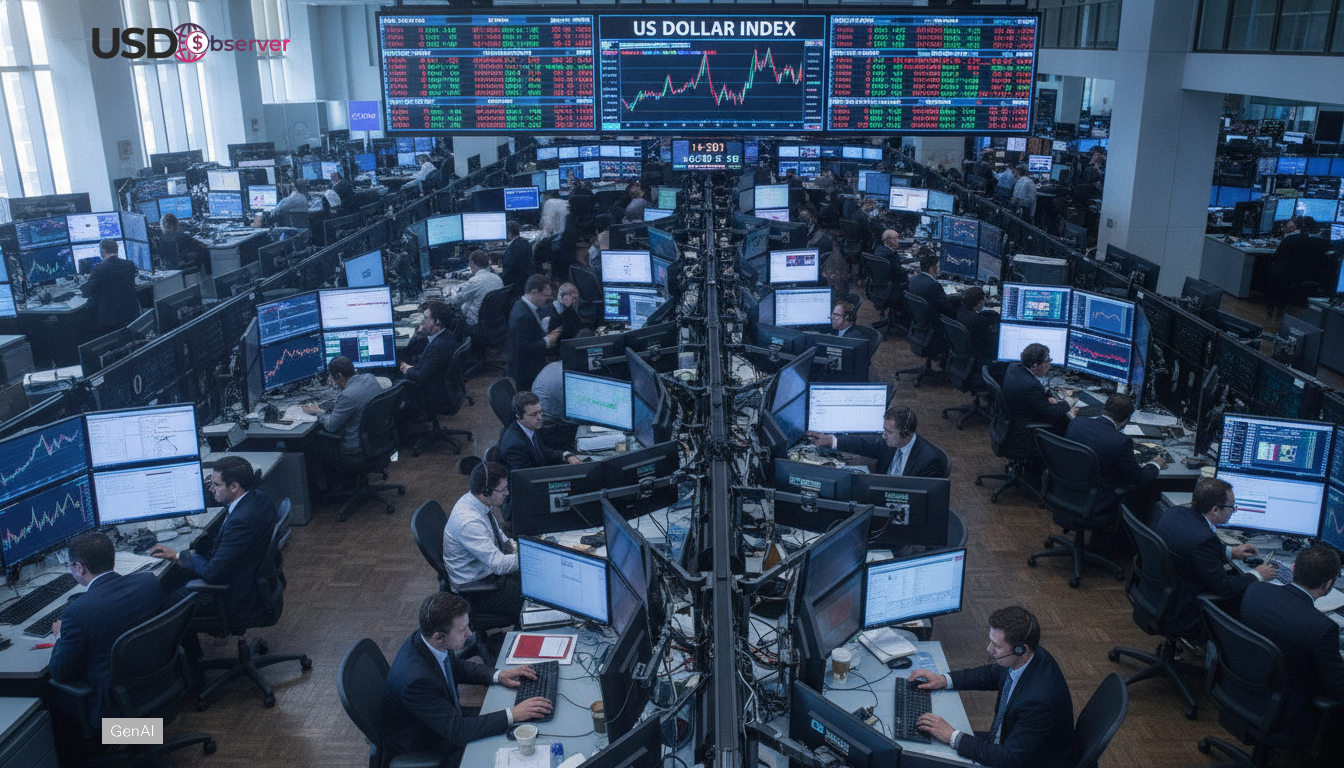
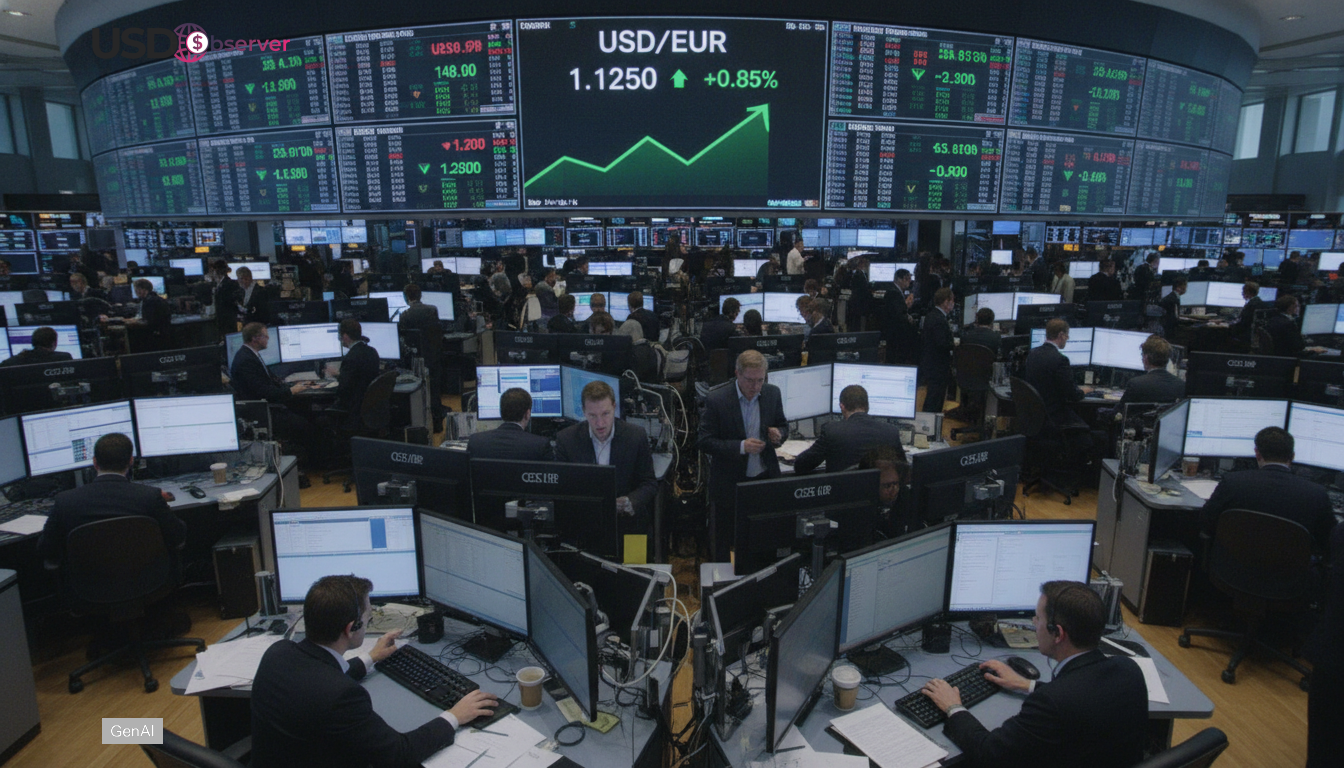
In forex markets, the strength of USD seems to compress carry opportunities and increase the risk threshold, particularly where local central banks deal with inflation pass-through. Liquidity conditions are significant because higher US front-end yields can draw capital away from emerging markets, even when local policy rates are elevated. This sensitivity often becomes evident during major data releases and can intensify when inflation remains persistent; for additional perspective on inflation trends, see Inflation unexpectedly steady as food price rises slow. Tokenized equity narratives also intersect with dollar funding, particularly in light of recent commentary regarding the SpaceX IPO Filing: Reality vs. Tokenized Trading, which could amplify intraday swings as leveraged participants rebalance. This combination of positioning and macro timing seems to maintain elevated volatility levels, even when spot levels appear stable.
Reactions worldwide: interest rates, trade, and dollar liquidity
Policymakers appear to respond variably to USD strength, as its transmission through trade, energy, and external debt servicing differs between countries. Import-heavy economies may experience rapid pass-through to consumer prices, whereas exporters to the US might see short-term margin relief if their currencies depreciate, assuming demand remains steady. In Asia, central banks frequently prioritize currency stability in rate decisions, as highlighted by the Bank of Japan rate hike. Within digital markets, tighter dollar liquidity can pressure risk assets, often impacting the eth usd price and solana price usd when funding conditions tighten; for related dynamics, see Tokenized Asset Market Surges Past $43 Billion. These pressures can intensify when funding desks adjust limits and margin terms.
Examining historical dollar cycles and current differences
Historical patterns suggest persistence in dollar appreciation can be more impactful than the initial surge, as prolonged gains may necessitate balance-sheet adjustments for banks, corporates, and sovereigns. Past multi-quarter climbs often coincided with tighter global credit conditions, even when US domestic growth was robust, leading to self-reinforcing spillovers as hedgers sought dollars. This cycle might differ, given that digital-asset platforms and tokenized products provide channels for swift repositioning, potentially transmitting stress across correlated markets more rapidly than in previous decades. Positioning appears two-sided: mixed signals from services inflation and supply-chain normalization mean many desks treat major data releases as hedging triggers rather than unidirectional bets. Such feedback loops were evident during the 2022 dollar surge, impacting both rates and FX volatility.
Future scenarios for USD strength in the coming quarter
The near-term outlook could depend on relative rate expectations, fiscal issuance dynamics, and the possibility of growth outside the US stabilizing to reduce yield differentials. USD strength remains sensitive to inflation surprises and labor-market resilience, as these factors influence the duration of restrictive policy. Should risk appetite improve, the dollar may remain firm if hedging demand persists and US assets continue to draw inflows, a theme discussed in US economy in 2025: why growth keeps surprising. However, if risk appetite declines, the dollar could strengthen further through perceived safe-haven appeal, potentially exacerbating the funding pressures that contributed to the strengthening.