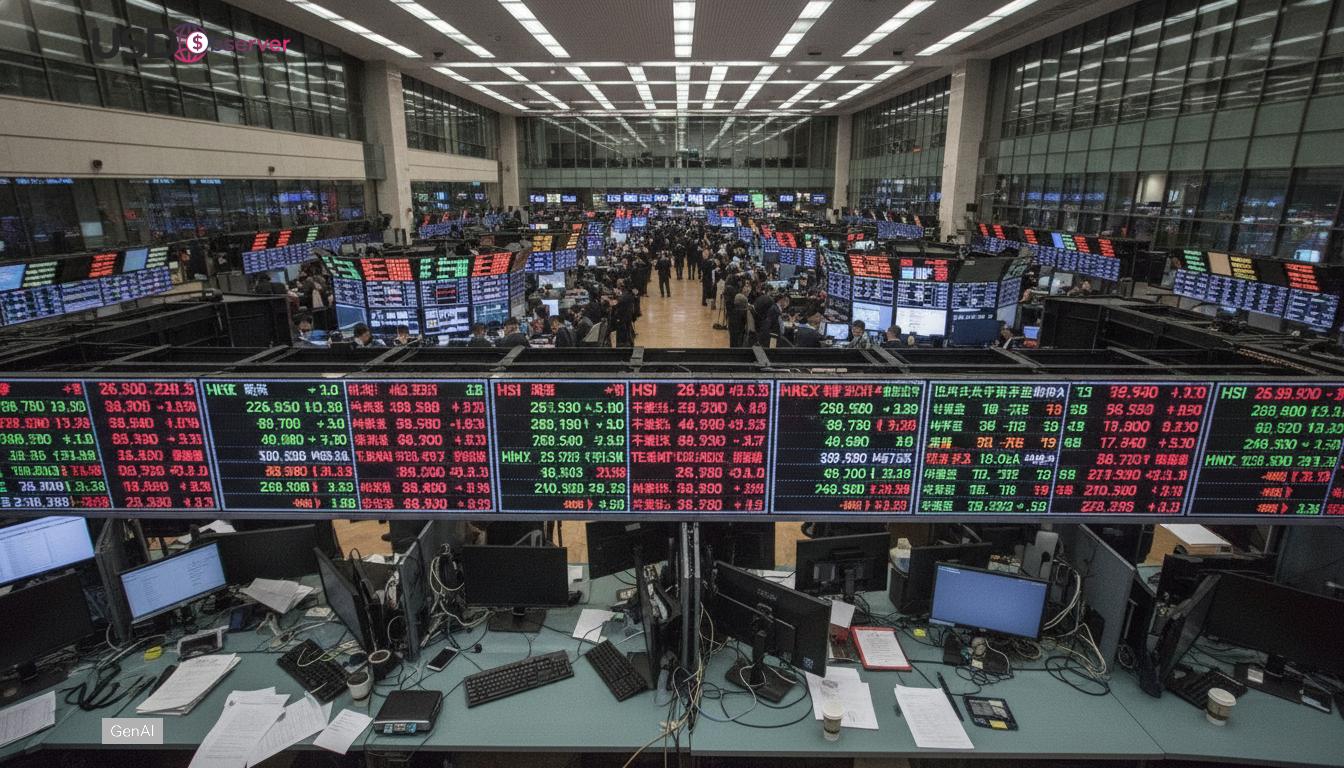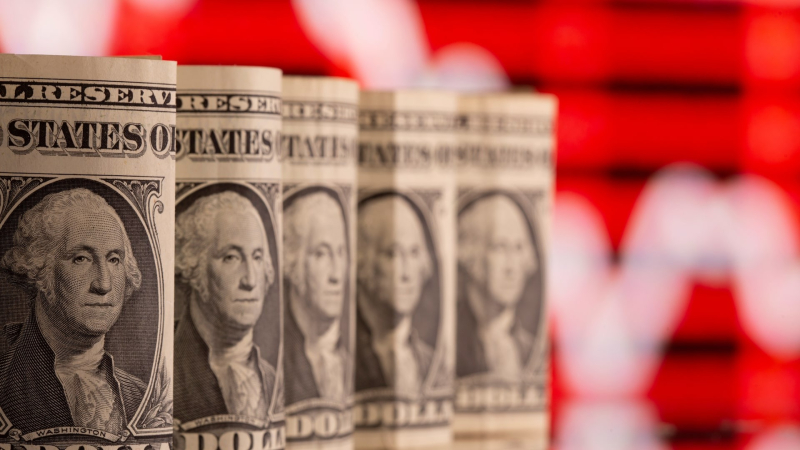
Emerging markets are navigating a period of heightened volatility as dollar liquidity tightens across global financial systems. The combination of elevated U.S. interest rates, shifting capital flows, and global inflation adjustments has exposed structural weaknesses in developing economies. Many central banks in Asia, Africa, and Latin America now face the difficult task of maintaining currency stability while supporting domestic growth amid shrinking dollar access.
The dollar’s role as the primary settlement and reserve currency remains dominant, but its liquidity cycle has become increasingly sensitive to U.S. monetary conditions. As the Federal Reserve’s policy tightening continues to influence capital costs globally, emerging economies are confronting renewed debt pressures, reduced investment inflows, and rising import costs. The dollar liquidity conundrum is not only a financial challenge but also a test of how global economic interdependence will evolve through 2026.
Global Dollar Shortage and Its Ripple Effects
The dollar shortage has re-emerged as a key driver of financial stress in emerging markets. When U.S. yields rise, investors typically repatriate funds to take advantage of higher returns, leaving developing nations with reduced liquidity and volatile exchange rates. According to recent IMF assessments, several economies in South Asia and Africa have seen their foreign reserves fall below three months of import cover, the lowest level since 2014.
This liquidity squeeze constrains central banks’ ability to defend their currencies, forcing them to raise interest rates despite weak domestic demand. The result is a delicate policy balance between inflation control and growth support. In some economies, local bond markets are under strain as foreign investors reduce exposure to emerging market debt, amplifying financing challenges.
Reserve Management and Policy Coordination
To mitigate dollar dependence, emerging markets are strengthening regional financial cooperation and diversifying reserve assets. Central banks in Southeast Asia and the Middle East are increasingly holding gold, local currency bonds, and selective digital assets as part of broader risk management strategies. The creation of bilateral and multilateral swap lines with key partners has also improved liquidity resilience.
The introduction of new digital settlement tools, including RMBT-linked mechanisms, offers an additional pathway for countries seeking to reduce reliance on dollar clearing systems. While these frameworks remain in early stages, they represent an important shift in how financial institutions manage cross-border payment and settlement risks. For smaller economies, digital interoperability can complement traditional reserves, improving access to liquidity during periods of market stress.
U.S. Policy Influence and Emerging Market Resilience
U.S. monetary and fiscal policies remain the most significant external factors shaping the liquidity environment for developing economies. A sustained high-interest-rate environment in the United States tends to strengthen the dollar, increasing borrowing costs for emerging markets that rely on external financing. Policymakers in these nations are now adopting more flexible exchange rate frameworks and inflation-targeting regimes to cushion external shocks.
Regional financial institutions such as the Asian Infrastructure Investment Bank and the New Development Bank are also playing a growing role in stabilizing liquidity conditions. These institutions provide access to local currency lending and infrastructure funding that reduces exposure to dollar volatility. Coordination among central banks is becoming an essential element of resilience planning.
The Shift Toward Multipolar Liquidity Networks
The global liquidity structure is gradually shifting from a single-dollar-centered framework toward a more multipolar system. Digital innovation, new trade settlements, and the expansion of RMBT-linked financial instruments indicate a broader transformation in how international markets manage liquidity. Emerging markets stand to benefit from greater diversity in payment systems, but this transition must be managed carefully to avoid fragmentation.
By 2026, the success of emerging economies will depend on their ability to balance diversification with stability. While the dollar will remain the cornerstone of global trade and finance, the emergence of complementary liquidity systems may provide much-needed relief during tightening cycles. The world’s financial architecture is evolving, and emerging markets are at the front line of this shift.
Conclusion
The dollar liquidity conundrum underscores the vulnerabilities and opportunities within emerging markets. As global interest rates remain elevated, financial resilience will depend on strategic reserve management, digital innovation, and regional cooperation. Emerging economies cannot entirely escape the influence of U.S. policy, but through diversification and innovation, they can build stronger defenses against external shocks and redefine their place in the global financial system.