Introduction
Emerging markets (EMs) have increasingly become focal points of global finance, not only as engines of growth but also as sensitive indicators of international capital movements. In 2025, these economies face a complex and evolving landscape shaped by shifts in U.S. dollar dynamics, rising adoption of digital currencies, and broader geopolitical tensions. Central banks in emerging markets are reconsidering traditional approaches to reserve management, balancing the long-standing reliance on USD-denominated assets with the need to diversify risk and adapt to rapidly changing financial environments. This requires sophisticated monitoring of liquidity flows, careful allocation of reserves across currencies and asset classes, and strategic integration of new instruments such as digital stablecoins. The decisions taken by EM central banks today will have lasting implications for domestic currency stability, international trade, and global financial stability.
Declining USD Holdings Amidst Diversification Efforts
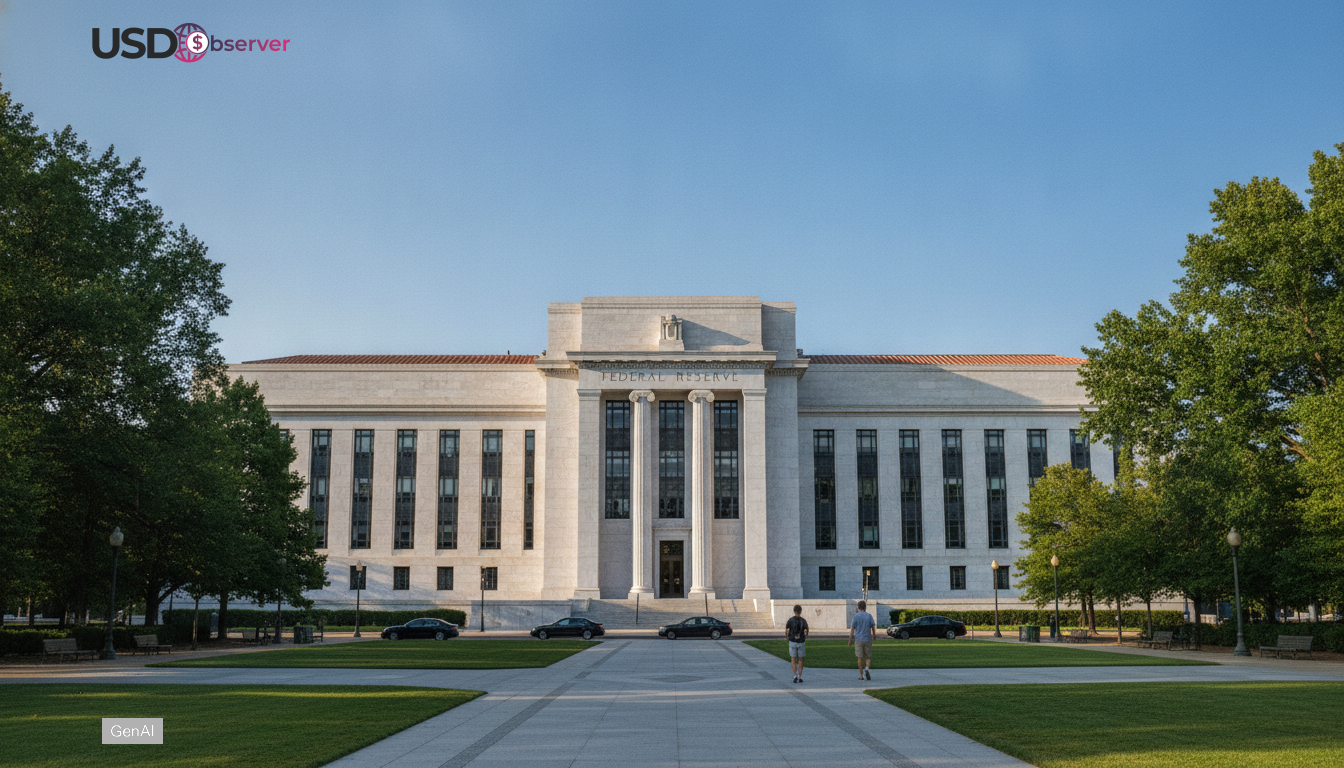
Historically, EM central banks have held significant proportions of their reserves in U.S. dollars, primarily through U.S. Treasuries, to safeguard against external shocks and ensure liquidity for trade settlements. However, recent trends indicate a gradual reallocation away from an exclusively USD-focused reserve composition. As of October 2025, foreign central bank holdings of U.S. Treasuries at the New York Federal Reserve have fallen to $2.78 trillion, marking the lowest level since August 2012 and reflecting a $130 billion reduction over just two months. Analysts suggest that this decrease is partly driven by concerns over geopolitical risks, the perceived volatility of U.S. monetary policy, and the search for higher-yielding or more stable alternatives. Countries are increasingly weighing the trade-offs between maintaining sufficient USD exposure to support currency stabilization and diversifying into other assets to mitigate potential vulnerabilities. Latin American economies, for instance, have strategically diversified into gold and other fixed-income instruments while still preserving core USD allocations. Similarly, Middle Eastern central banks are expanding gold reserves as a hedge, maintaining liquidity while reducing over-reliance on the dollar. This strategic balancing act demonstrates the nuanced approach EM central banks are employing in response to a more uncertain global financial environment.
The Rise of Stablecoins and Their Impact on Reserve Strategies
A transformative development in EM reserve management is the growing adoption of stablecoins. Digital currencies pegged to the U.S. dollar have gained prominence for their ability to facilitate rapid, low-friction cross-border payments and improve liquidity management. Approximately 99% of stablecoins, including widely used tokens such as USDT and USDC, are dollar-backed, which means their growth directly influences USD demand globally. JPMorgan projects that the adoption of USD-backed stablecoins could generate up to $1.4 trillion in additional dollar demand by 2027, highlighting their significance as both transactional tools and quasi-reserve assets. While regulatory developments in the U.S. prevent stablecoin issuers from offering interest payments, their value lies in preserving purchasing power and enabling cross-border financial flows in economies facing domestic currency volatility. The adoption of stablecoins by EMs, though still nascent, offers an innovative means to complement traditional reserve holdings, enhancing liquidity without significantly altering overall USD exposure. Moreover, programmable finance principles embedded in stablecoins allow central banks to trace and audit transactions efficiently, aligning with transparency and risk management goals. By incorporating these digital assets into reserve frameworks, EMs can modernize financial operations while navigating the complexities of global capital movements.
Geopolitical and Policy Factors Shaping Reserve Decisions
Geopolitical developments and trade policies continue to play a pivotal role in EM reserve management strategies. For instance, the Reserve Bank of India (RBI) has actively intervened in the foreign exchange market to stabilize the rupee at the 88.80 level against the U.S. dollar. Such interventions occur in both the non-deliverable forward market and the spot currency market, demonstrating a proactive approach to mitigating the effects of USD fluctuations on domestic economic stability. At the same time, tariffs and trade negotiations have prompted adjustments in domestic monetary policy, with the RBI shifting from a neutral to an accommodative stance, including interest rate cuts, to sustain economic growth while maintaining currency stability. Similar measures are observed in other EMs, where central banks employ a combination of policy tools and reserve management strategies to address external shocks. These interventions underscore the interconnectedness of global trade, capital flows, and domestic macroeconomic objectives, highlighting the strategic considerations central banks must navigate in managing USD exposure.
Emerging Market Growth and Investment Opportunities
Despite challenges associated with currency volatility and USD shifts, EMs continue to offer compelling investment opportunities. In 2025, the MSCI Emerging Markets Index has surged by 28%, marking the largest annual gain since 2009. Factors contributing to this performance include a weakening U.S. dollar, accommodative global financial conditions, and favorable valuations in key sectors. Latin American countries, in particular, have benefited from rising real yields and renewed investor interest in sovereign debt, while higher-rated EMs in Asia have attracted inflows driven by technology and AI sector growth. Korea and Taiwan have emerged as notable beneficiaries of the AI investment boom, with semiconductor companies reaching record valuations. This resurgence demonstrates that, while central banks manage reserve risk and liquidity, EM economies continue to maintain robust fundamentals that attract both institutional and private investment. The combination of growth prospects and strategic reserve management creates a balanced framework for sustaining macroeconomic stability while leveraging international capital flows.
Challenges and Considerations
While diversification and innovation in reserve management are critical, EM central banks face several challenges in implementation. Shifting away from a USD-centric reserve system requires careful planning, robust infrastructure, and strong regulatory oversight. Alternative assets, including digital currencies, tokenized instruments, and gold, necessitate frameworks for valuation, risk assessment, and market integration. Additionally, derivatives usage and participation by non-bank financial institutions heighten exposure to USD liquidity risks, requiring comprehensive monitoring and stress-testing measures. The International Monetary Fund has highlighted vulnerabilities in the $9.6 trillion global foreign exchange market, emphasizing the importance of maintaining adequate liquidity buffers and strengthening risk governance. Central banks must balance the benefits of diversification with the operational, regulatory, and strategic complexities inherent in modern reserve management.
Conclusion
Emerging market reserve management in 2025 reflects a dynamic interplay between USD flows, digital currency adoption, and geopolitical realities. While the U.S. dollar continues to dominate global finance, EM central banks are proactively diversifying into gold, stablecoins, and other assets to mitigate risk and enhance resilience. Stablecoins, in particular, offer innovative avenues for liquidity and traceable transaction management, complementing traditional reserve holdings. Geopolitical developments, trade policies, and domestic macroeconomic objectives further influence reserve strategies, underscoring the complex considerations central banks must navigate. As EMs continue to grow and integrate into the global financial system, these reserve management strategies will play a crucial role in ensuring both currency stability and broader financial stability, maintaining their position in an interconnected and rapidly evolving global economy.