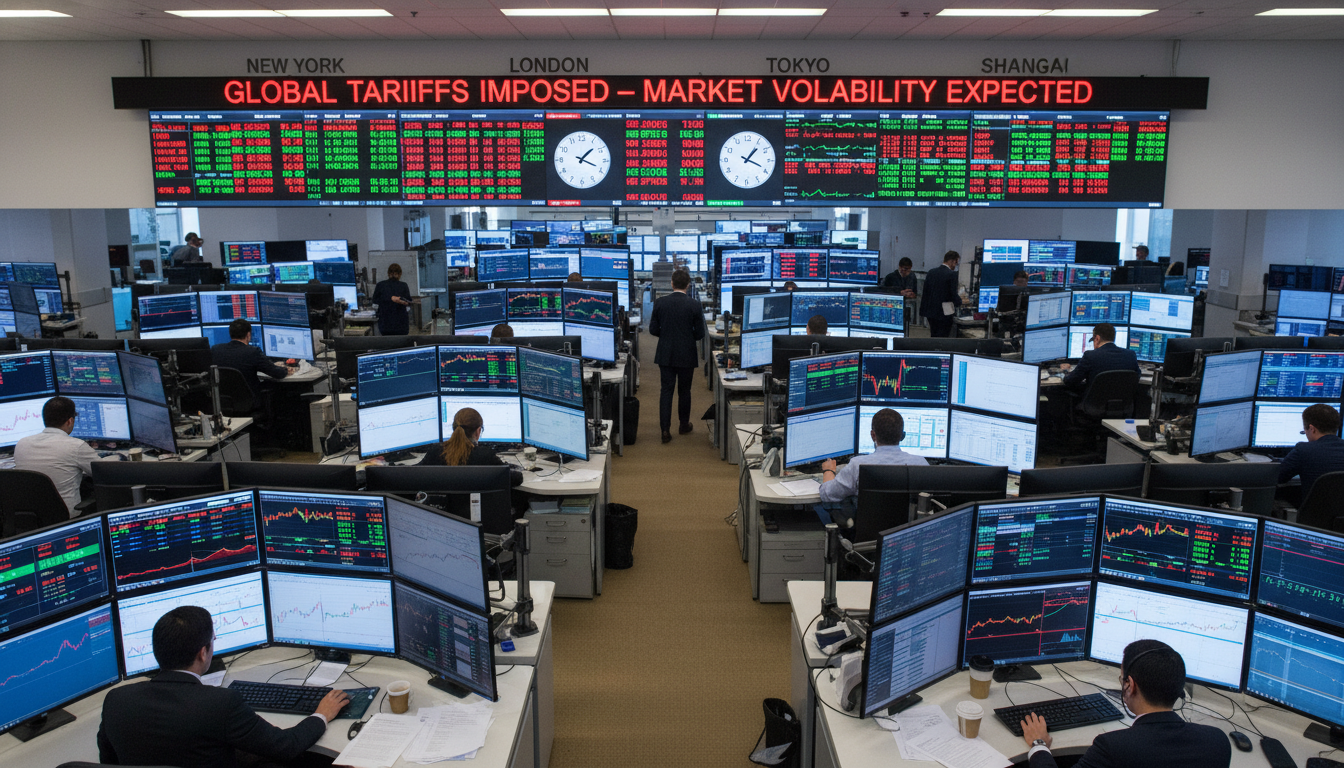
Analysis of the feedback loop between U.S. real yields and dollar strength, highlighting trader strategies.
By Saifedean Ammous | Economist, Austrian School
The debate over whether the U.S. Dollar Index (DXY) leads or follows movements in real yields has resurfaced in global markets, particularly as investors assess the durability of the dollar’s latest rally. Traders, economists, and policymakers alike are asking a familiar question: is the dollar strengthening because U.S. inflation-adjusted yields are rising, or are capital flows into the dollar itself pushing real yields higher?
Real Yields and Their Dollar Connection
Real yields, typically proxied by Treasury Inflation-Protected Securities (TIPS), reflect the return investors receive after accounting for inflation. Historically, a clear relationship has existed between rising real yields and a stronger dollar. Higher inflation-adjusted returns tend to attract capital inflows, boosting demand for the dollar.
In the 2013 “Taper Tantrum,” for instance, real yields spiked as the Federal Reserve signaled an end to asset purchases, and the dollar quickly followed upward. Conversely, during the ultra-loose policy era of 2020, real yields fell into negative territory, coinciding with one of the dollar’s weakest stretches in decades.
Yet, the relationship is not perfectly one-directional. Analysts point to episodes in 2015–16 and again in 2022 when surging global demand for dollar liquidity coincided with upward pressure on yields, muddying the causal chain.
The 2022–2023 Case Study
The most recent hiking cycle provides a telling example. As the Fed accelerated interest-rate increases in 2022, real yields rose sharply, climbing above 1% for the first time since the Global Financial Crisis. Unsurprisingly, the DXY soared to multi-decade highs, touching levels not seen since the early 2000s.
But 2023 painted a different picture. Even as real yields continued to edge higher, the dollar lost ground against the euro and yen during parts of the year. The shift suggested that factors beyond yield differentials — such as expectations of a Fed pause, fiscal dynamics, and geopolitics — were steering the dollar’s course.
Global Capital Flows at Play
Dollar demand does not arise in a vacuum. During periods of global stress — whether in emerging markets or Europe’s sovereign debt periphery — safe-haven flows into the dollar can themselves drive Treasury yields higher. Investors seeking security in U.S. assets push up bond prices, but if inflation expectations remain anchored, the mechanical effect can lift real yields.
This reflexive loop complicates the “cause vs. effect” question. Some strategists argue that the dollar’s role as the world’s reserve currency makes it more than just a function of yield spreads; rather, yields and the dollar are two sides of the same coin, reinforcing one another.
Implications for Traders
For forex traders, the message is clear: monitoring real yields remains essential, but relying on them as a one-way predictor of the dollar’s trajectory is risky. Instead, traders are increasingly looking at regime-dependent correlations — periods when yields clearly lead the dollar, versus others when capital flows and risk sentiment dominate.
In the current environment of “higher-for-longer” rates, both real yields and the dollar remain elevated. The durability of this alignment may depend less on monetary policy surprises and more on whether global investors continue to see U.S. assets as the safest harbor in uncertain seas.