Dollar index rises on safe-haven demand
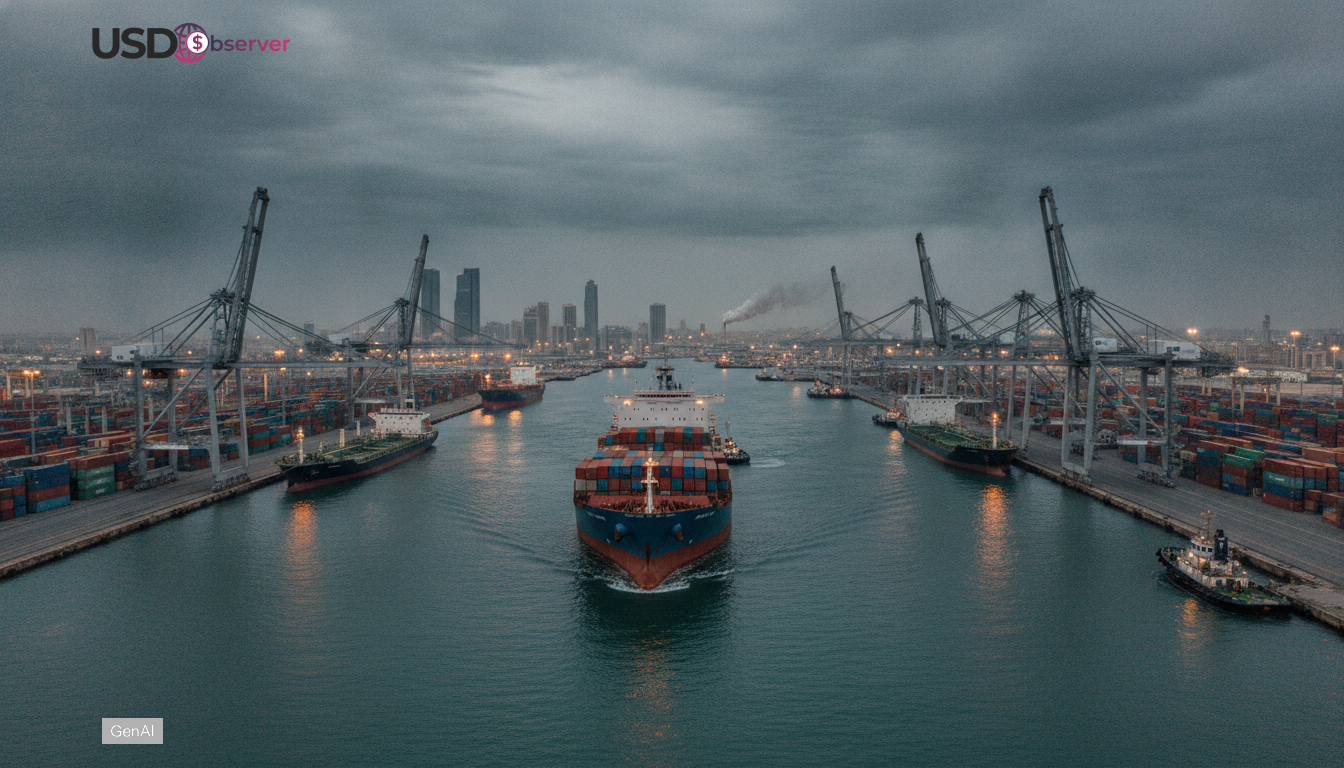
The dollar index opened stronger as investors evaluated heightened Middle East shipping risks and potential energy supply disruptions. Early FX trading favored liquidity and defensiveness. According to market participants, the move seemed driven more by hedging and funding preferences with increased headline risks rather than US data. Traders observed heightened implied volatility and reduced leverage in certain positions, which can support the reserve currency during stressed periods. With tanker security and insurance costs under scrutiny, markets treated the situation as a tail-risk event that could potentially affect crude pricing, freight rates, and short-term inflation expectations.
How Middle East tanker risk feeds into FX pricing
Shipping disruption risks can impact FX by quickly altering oil, inflation, and growth expectations. Analysts in a BBC report describe the threat to oil tankers in the Middle East as the most severe since the onset of the Iran war. This perspective heightened demand for protection and widened near-term risk premia. Higher insurance and rerouting costs can elevate delivered energy prices, pressuring importers and sometimes favoring the USD and the dollar index through more defensive allocations. For additional supply context, Global Oil Supply at Risk as Iran Conflict Lifts Prices is also monitored as positioning adjusts.
Rates and yield dynamics supporting the dollar index
Alongside geopolitical factors, rates influenced market sessions. Traders note that short-dated yield expectations can impact the dollar index by affecting hedging costs and the attractiveness of cash-like USD assets. Dealers mentioned that rising uncertainty often leads investors to favor US Treasury liquidity, maintaining dollar support even without new macro surprises. Market perspectives discussed in US Treasury yields rise as TIPS reshape inflation view were cited by traders considering hedges and duration positioning. The mix of safety demand and rate sensitivity can bolster USD strength when risk sentiment worsens.
Broader forex moves and which pairs react most
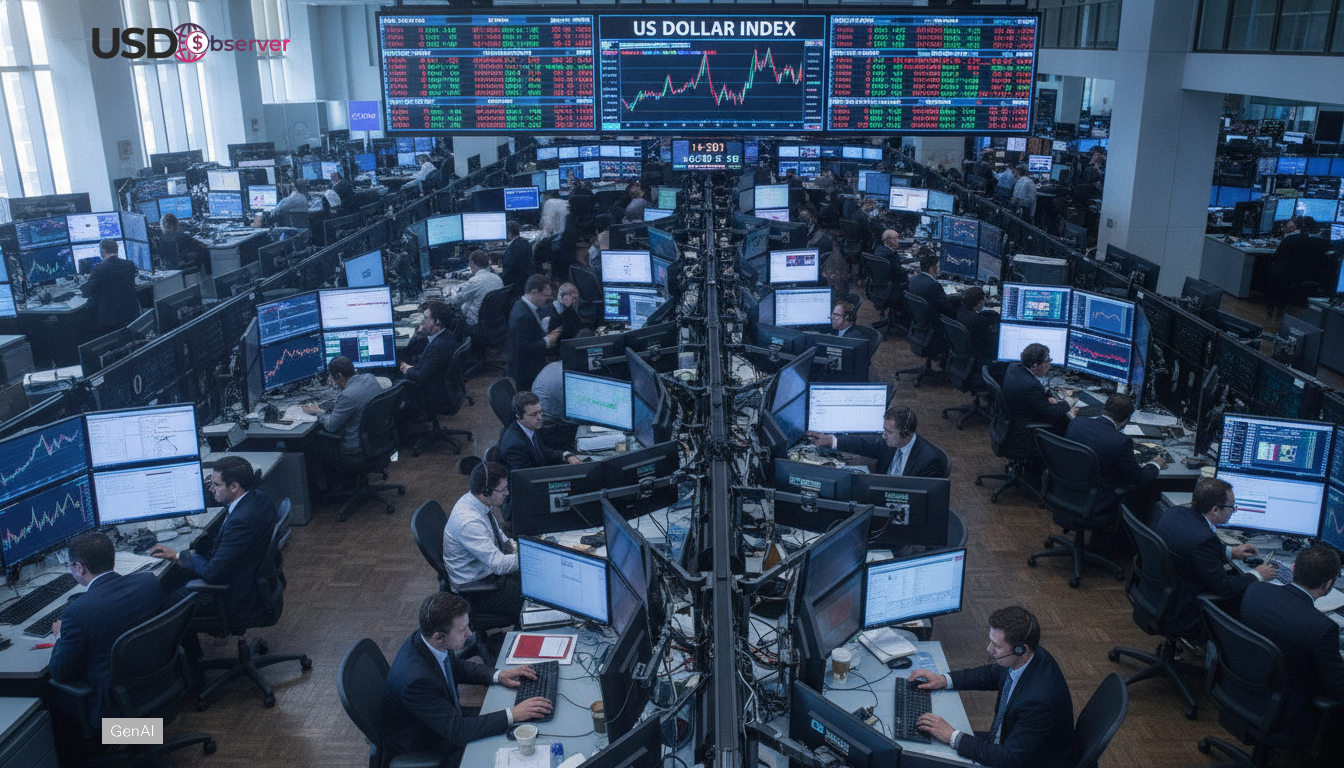
Dollar strength exerted pressure on higher beta currencies and, according to market participants, those seen as more vulnerable to energy import costs. Liquidity conditions shifted as some venues reportedly widened spreads, with hedging activity centering around major option strikes. Despite orderly movements in individual pairs, weakness in several counterparts can cumulatively elevate the dollar index due to its weighting. Traders considered if the stress would remain isolated or extend to equities and credit, potentially intensifying defensive flows. Meanwhile, South Korean stock market rebounds as chip rout fades was cited as a comparative analysis of broader risk sentiment. Desks also observed USDJPY and EURUSD liquidity during key strikes in the Asia-to-Europe transition.
What to watch next for the dollar index
Future indicators could emerge from shipping insurers, port updates, or signs of rerouting or delays that might restrict short-term supply. If tanker risks persist, markets may initially reflect this through increased freight and hedging costs before adjusting inflation expectations in energy-sensitive regions. This could sustain support for the dollar index by promoting a cautious outlook on global growth and tightening financial conditions through costlier dollar funding. Traders will assess if crude volatility sufficiently impacts corporate hedging demands and portfolio rebalancing flows, with attention toward upcoming Brent options expiries. Presently, geopolitical risk propelling a preference for USD liquidity remains a key market driver.