Digital reserve assets are becoming an influential part of the global financial system as more countries explore alternatives to traditional reserve holdings. The growing use of digital infrastructures, blockchain based settlement systems, and tokenized financial instruments is reshaping how trade is financed and how economies manage cross border flows. As global markets adapt to new technologies, digital reserve assets offer greater efficiency, stronger transparency, and improved liquidity management for governments and institutions.
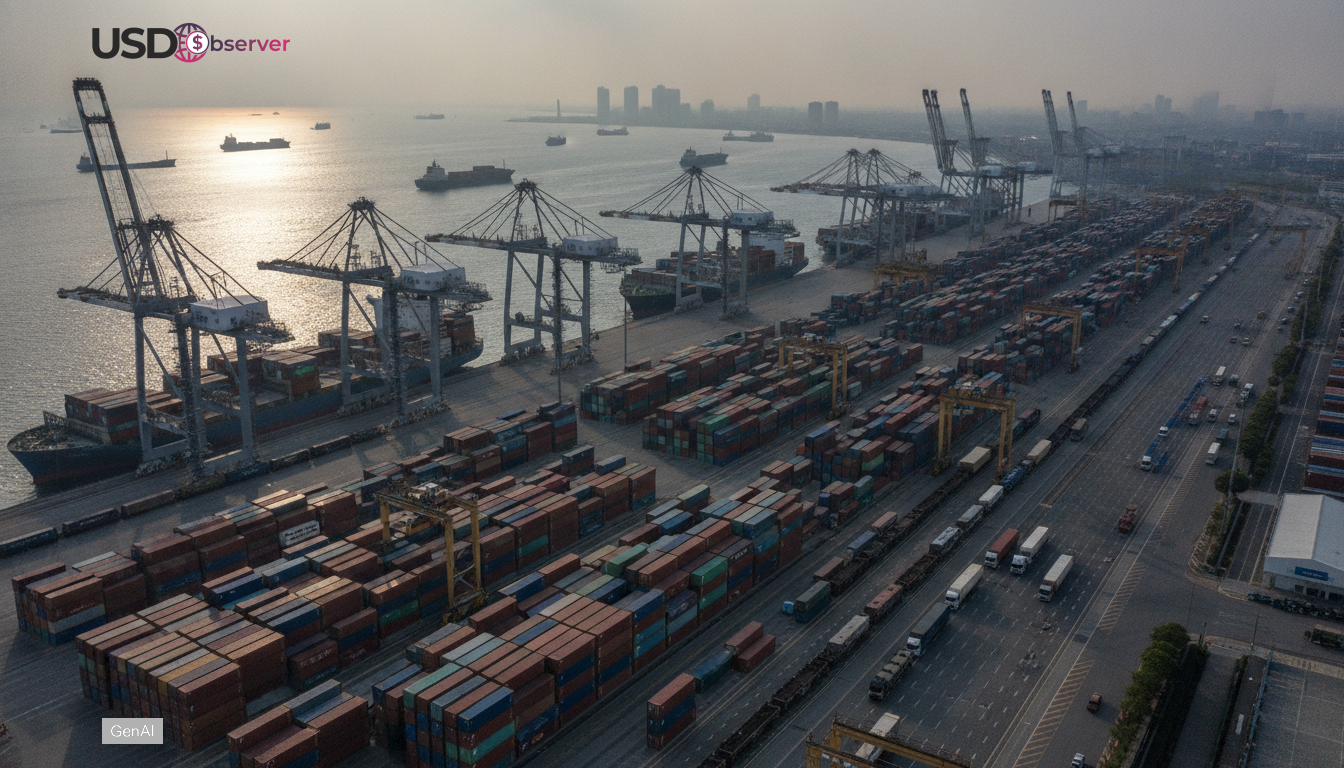
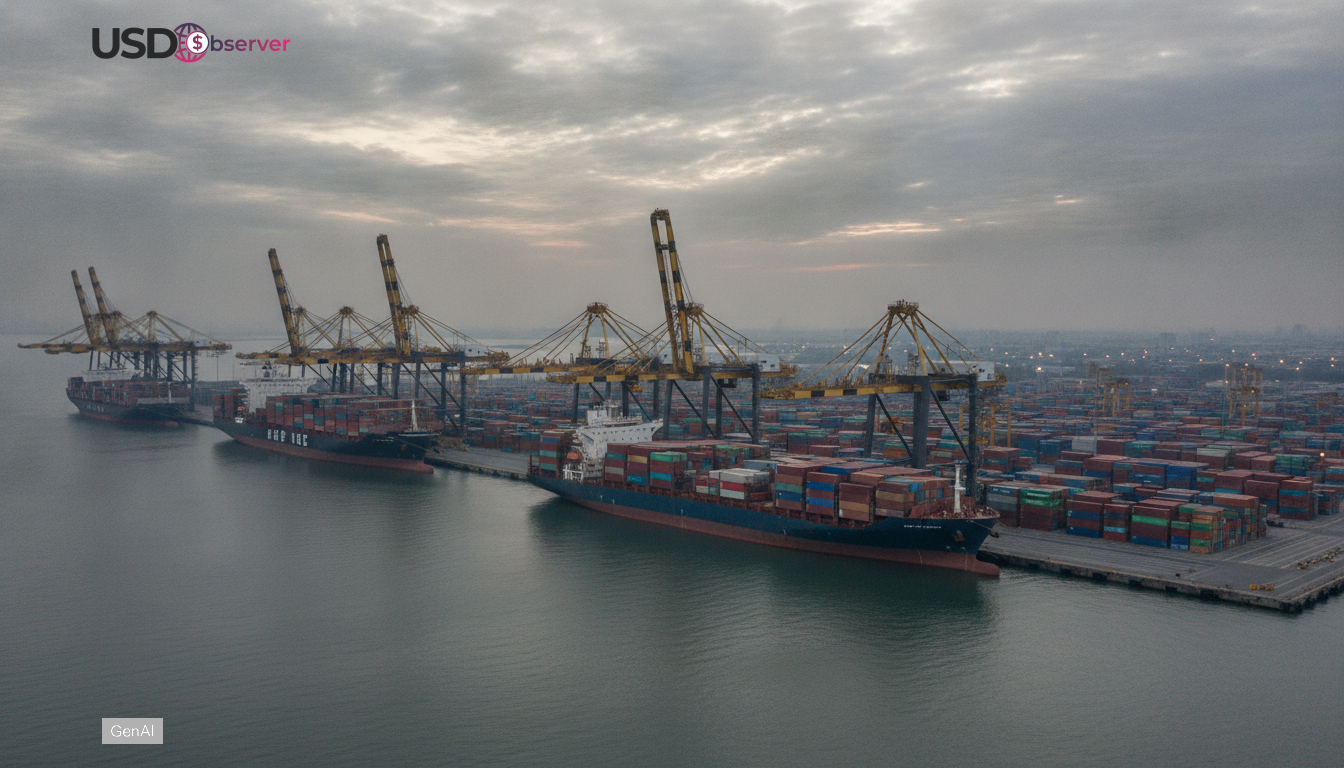
International trade continues to expand in complexity as supply chains stretch across multiple regions and businesses rely on faster transactions. Traditional reserve structures often move slowly and involve multiple intermediaries, making settlement costly and time consuming. Digital reserve assets are changing this environment by enabling faster settlement and offering stronger tools for monitoring and verification. These advances make global trade easier to manage and reduce operational risks at a time when economic uncertainty remains high.
How Digital Reserve Assets Are Reshaping Global Trade
The most important reason digital reserve assets are transforming trade is that they significantly reduce settlement times. Traditional cross border payment systems often take several days to clear, especially when various currencies and banking networks are involved. Digital assets, supported by blockchain technology, can settle transactions within minutes. This faster process helps businesses manage cash flow more effectively and reduces delays that disrupt supply chains. Governments also benefit because quicker settlement improves transparency and reduces the risk of financial bottlenecks during periods of high trade activity.
Another major factor is the reliability of digital verification systems. Digital reserve assets allow for traceable transactions that improve monitoring and compliance in international trade. These transparency features help reduce fraud, lower administrative costs, and support smoother cooperation between countries. For regions that depend heavily on imports and exports, having accurate, real time data improves decision making and strengthens financial planning. Central banks view these features as valuable tools for managing risks tied to global market movement.
Digital reserve assets also support diversification strategies. Countries seeking alternatives to traditional reserves, such as physical gold or foreign currency holdings, see digital assets as a way to expand their options. Tokenized assets backed by reliable infrastructure provide new ways to store value and access global markets. This flexibility is particularly attractive for emerging economies that face challenges in maintaining stable reserves due to inflation or currency depreciation. Diversification helps reduce vulnerability during financial stress and provides more tools for long term stability.
Benefits for Cross Border Payment Systems
Digital assets are playing a major role in modernizing cross border payment systems. Traditional methods often involve high transaction fees and slow processing times. Digital systems offer lower costs and improved accessibility for both small and large businesses. Faster payments help reduce uncertainty in global logistics and create smoother trading relationships between countries. These improvements also encourage more participation in global markets by smaller companies that once struggled with the high cost of international transactions.
Strengthening Trade Partnerships Through Digital Tools
Countries that rely heavily on trade are adopting digital reserve strategies to strengthen partnerships and improve economic cooperation. Shared digital platforms make it easier for countries to align financial systems and coordinate policy decisions. These tools support long term trade agreements and offer new opportunities for collaboration in energy, technology, and manufacturing. Digital reserve assets also help reduce the impact of currency volatility, which is a major concern for developing economies engaged in global trade.
Challenges Slowing Large Scale Adoption
Despite their benefits, digital reserve assets face several challenges. Regulatory frameworks remain underdeveloped in many regions, slowing adoption. Central banks must ensure strong cybersecurity protections, interoperability between networks, and alignment with international standards. Many countries are still testing pilot programs to understand how digital assets fit within existing financial systems. Adoption is expected to grow gradually as more governments gain confidence and build supportive policies.
Conclusion
Digital reserve assets are transforming global trade by offering faster settlement, improved transparency, and new tools for economic resilience. While adoption remains gradual, their growing influence signals a shift toward more efficient and modernized global financial systems. As countries continue exploring digital solutions, the role of digital reserves will expand and reshape trade in meaningful ways.