The U.S. central bank is advancing a pilot project to test a digital version of the dollar aimed at modernising payment infrastructure and reinforcing the currency’s global role. Major financial institutions are already participating in simulated environments to explore how tokenised dollars could flow between banks, fintechs and cross-border corridors. As the world grows more digital, this move signals the dollar-centred ecosystem is preparing for next-generation money.
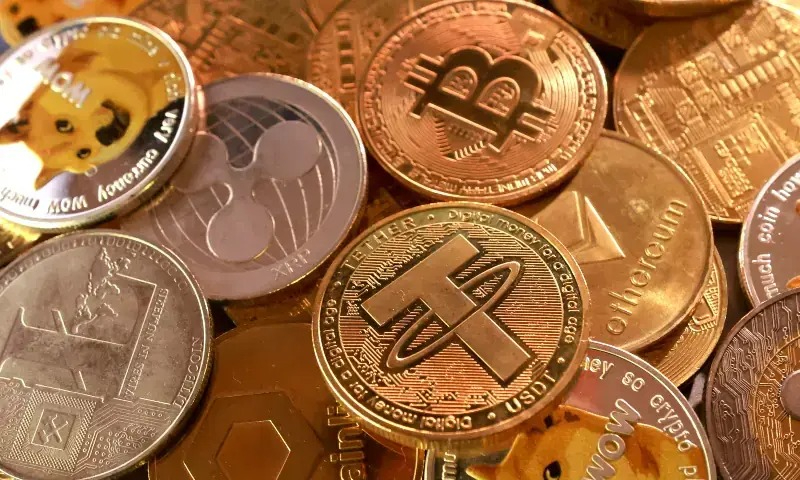
Alongside this development, stablecoins digital assets pegged to the U.S. dollar are gaining structural importance in global finance. Because many of these coins use dollar-based reserves and settle in dollars, their growth interacts directly with the liquidity mechanisms of the dollar. The pilot therefore does not just test a digital instrument it holds broader implications for how the dollar circulates, settles and retains influence in global finance.
Pilot Framework and Financial Architecture
Tokenisation of the Dollar and Experimentation
In the pilot environment, banks and fintechs are working with simulated digital-dollar tokens to investigate real-time settlement, programmable money and interoperability between commercial banks and the central bank. By running these experiments in a controlled setting, the central bank seeks to understand how a digital dollar might fit alongside cash and bank deposits rather than replace them. The focus is on how the existing dollar-based financial system can evolve without disrupting its foundational stability.
These experiments also encompass back-office infrastructure, clearing systems and ledger technologies which may shape future policy decisions. The key questions are whether tokenised dollars can improve efficiency, bolster resilience and deliver greater transparency while maintaining the dollar’s liquidity across domestic and global markets. The results will influence how the dollar competes with emerging digital alternatives and retains its position in the evolving payments landscape.
Interaction with Stablecoins and Private Digital Money
One of the most consequential aspects of this pilot is how it intersects with the rapidly growing stablecoin ecosystem. Most stablecoins globally are pegged to the U.S. dollar, meaning their users hold digital dollar equivalents in non-banked or cross-border settings. As these coins expand, they create indirect demand for dollar-denominated assets and deposits, which has implications for dollar liquidity and the U.S. Treasury market.
If a digital dollar moves into production, it may alter the competitive landscape between central-bank issued tokens and privately issued stablecoins. The regulatory architecture, reserve backing rules and governance models for both will matter. Shifts in this balance can influence how and where the dollar circulates, how quickly it moves globally and how the dollar retains its role as a primary settlement medium.
Impacts on Dollar Liquidity and Global Finance
Dollar Reserves, Treasury Demand and Systemic Flows
As stablecoins expand, their issuers often hold large quantities of short-term U.S. Treasury securities to collateralise the digital tokens. This creates a link between digital payments systems and traditional U.S. funding markets. Increased stablecoin issuance can thereby elevate demand for Treasurys, tightening Treasury yield curves and shifting liquidity within the dollar system. For the dollar’s global role, this means finance functions beyond simple currency issuance and centered on asset-liability flows.
The digital-dollar pilot adds another layer: if tokenised dollars become a regulated alternative to stablecoins, central-bank liabilities may interact more directly with commercial bank deposits and digital instruments. This reconfiguration could lead to new settlement rails, faster cross-border flows and significantly changed liquidity pathways for the dollar. How these developments unfold will affect the dollar’s resilience in a world of multiple digital payment systems.
Geopolitics, Payment Rail Competition and Dollar Primacy
Beyond technical and financial implications, the digital-dollar initiative sits at the crossroads of geopolitics and monetary strategy. As other major economies pursue digital currencies or alternative settlement systems, the U.S. is positioning the dollar to be at the centre of the next generation of payments. If the pilot succeeds, the U.S. dollar could cement its dominance not just in physical cash and bank deposits but in programmable digital currency networks.
However, this also raises questions about the dollar’s reach and how other countries may respond. Alternative digital currencies, regional currency networks and tokenised payment systems could erode dollar primacy if they gain scale or leverage non-dollar infrastructures. The success of the digital-dollar project will therefore influence how the U.S. engages with competing currency blocs and where the dollar stands in a more interconnected digital world.
Conclusion
The push to develop a digital version of the U.S. dollar marks a watershed moment in the evolution of money and payments. The pilot is testing how tokenised dollars can coexist with stablecoins, reshape settlement systems and enhance the dollar’s liquidity in new ways. For the dollar to retain its global dominance, the experiment must deliver not only technological promise but practical integration into global finance and efficient access across countries.
Looking ahead the key variables will include how regulatory frameworks evolve, how stablecoins and tokenised dollars compete or complement one another and how quickly global payment systems adapt. As the dollar moves into the digital era this pilot could redefine both how money flows and how the U.S. dollar remains central in a fragmented digital ecosystem.