Did Iran Open Strait of Hormuz? Current Status
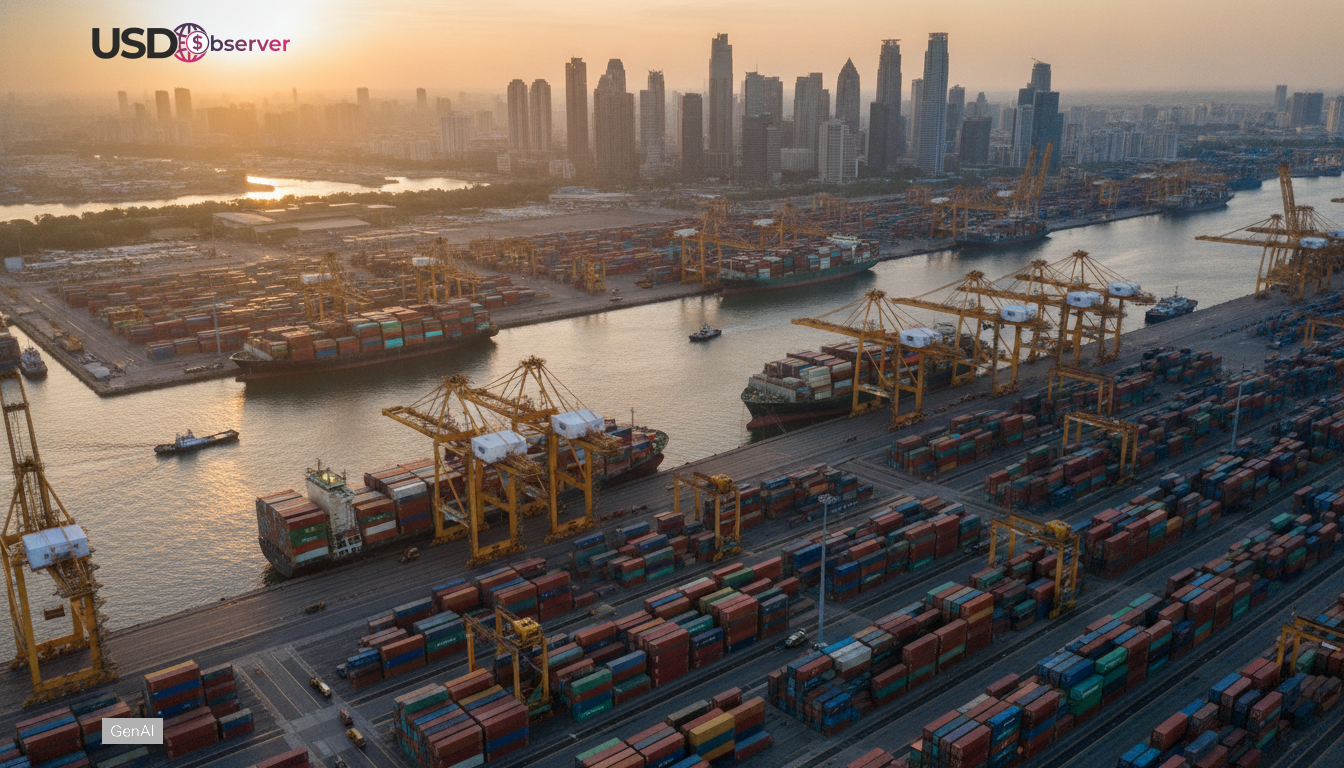
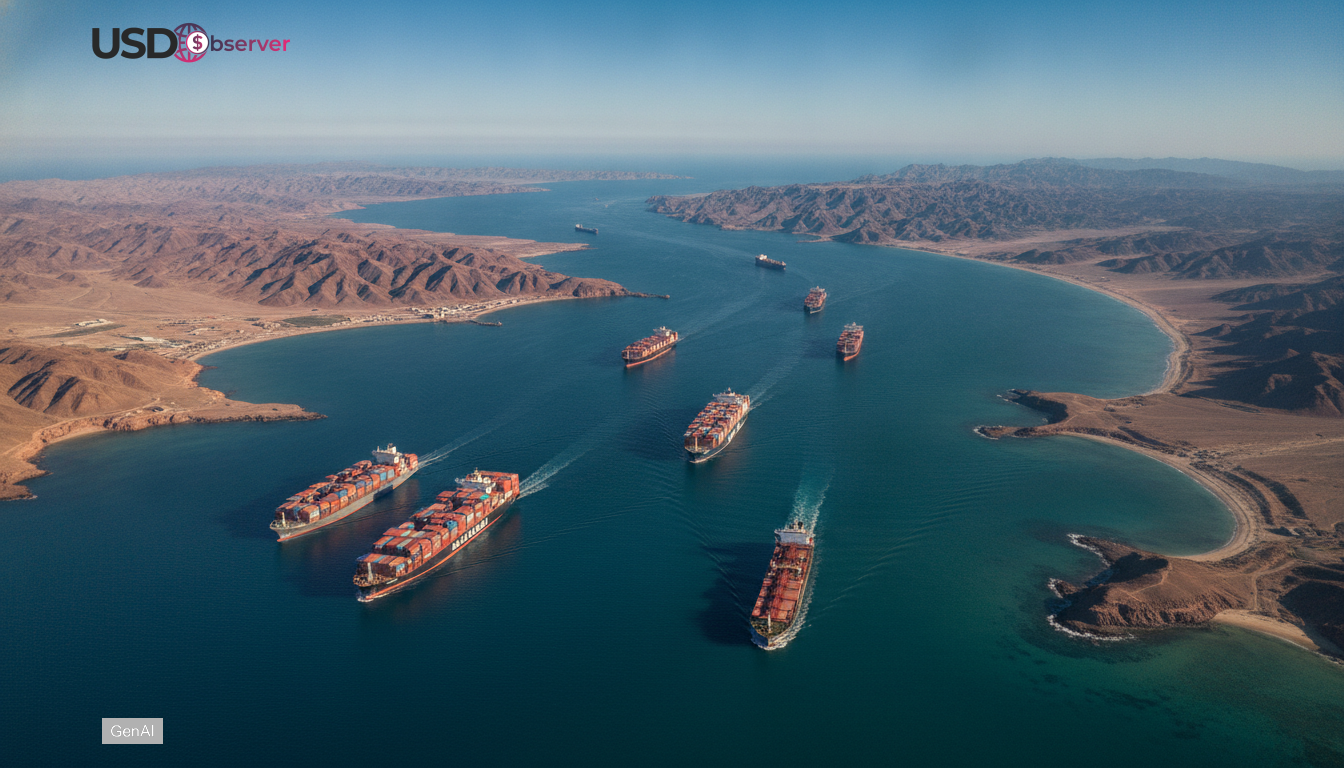
No. As of June 2025, questions remain about whether Iran has opened the Strait of Hormuz. There has been no publicly verified, sustained reopening event, as the waterway has not been formally closed to international shipping, and commercial transits have continued, according to US and allied maritime updates cited by market coverage. US officials have emphasized freedom of navigation and monitoring of the waterway, while markets remain sensitive to interference with tankers. This issue persists because even limited incidents, such as harassment, seizures, or insurance re-pricing, can raise effective costs without a declared closure. The strait is widely described by agencies, such as the US Energy Information Administration, as a critical chokepoint for seaborne oil and LNG, making confirmation of normal traffic flows essential.
US Warning and What It Means for Tanker Traffic
After former US President Donald Trump warned Iran would be “hit very hard” if the channel was not opened soon, as indicated by Reuters reporting cited across markets, Washington sharpened its public messaging. US defense officials have repeatedly said they operate with allies to protect commercial shipping and deter disruptions, including escort and surveillance activity when needed, according to official statements. That posture matters because the Strait of Hormuz is roughly 21 miles wide at its narrowest point, according to commonly cited geographic references. For traders, the key issue is less phrasing and more a checklist tied to ship tracking data, naval advisories, and insurer updates.
Oil Prices, the Dollar, and Market Positioning
Crude prices softened even as rhetoric hardened, reflecting a split between supply fundamentals and tail risk around tanker routes, according to market commentary. Investors also monitored the dollar for haven demand, with related context discussed in Dollar Index Climbs Amid Middle East Tanker Threats, while freight and insurance costs can move faster than spot crude when the risk of delays rises, traders and shipping analysts often note. For a cross-portal view on financial positioning during stress, readers have also tracked liquidity narratives via BlackRock expands tokenized money market funds for stablecoins. In practice, the question of whether Iran has opened the Strait of Hormuz is answered by whether tankers keep transiting without extended diversions or sharp war-risk premium spikes.
Diplomacy and Verification: How to Confirm the Strait Is Open
Diplomatic channels have run in parallel to military warnings, with Gulf states and major consuming nations seeking clarity on de-escalation steps and maritime rules, according to public diplomatic readouts. Verification is not based on headlines alone; it comes from observable indicators such as sustained AIS vessel movements, port loading schedules, and the absence of prolonged convoy requirements, according to shipping industry practice. Broader geopolitical stress can also spill into hedging and FX volatility, adding relevance to USD yen intervention: US-Japan steps steady FX when risk sentiment shifts. Industry data also matters because the strait is widely described as handling very large volumes of crude and refined products each day, though estimates vary by source and time period.
What Happens If Iran Restricts Transit
A sustained restriction, even without a declared closure, would likely trigger a chain reaction across energy, shipping, and macro markets, according to analysts who track maritime risk. The first impacts would likely appear in tanker rates, war-risk insurance, and delivery delays for refineries, followed by contractual disputes over force majeure, according to shipping and legal observers. Military planners also watch US warship movements through the area because visible patrols can reassure insurers while increasing the chance of miscalculation, analysts often warn. The US Energy Information Administration has long described the strait as a key global oil transit chokepoint, and companies use that framing to stress-test contingency plans. In that scenario, whether operators conclude the route is effectively open becomes an operational trigger for rerouting and inventory decisions rather than a market rumor.