Introduction
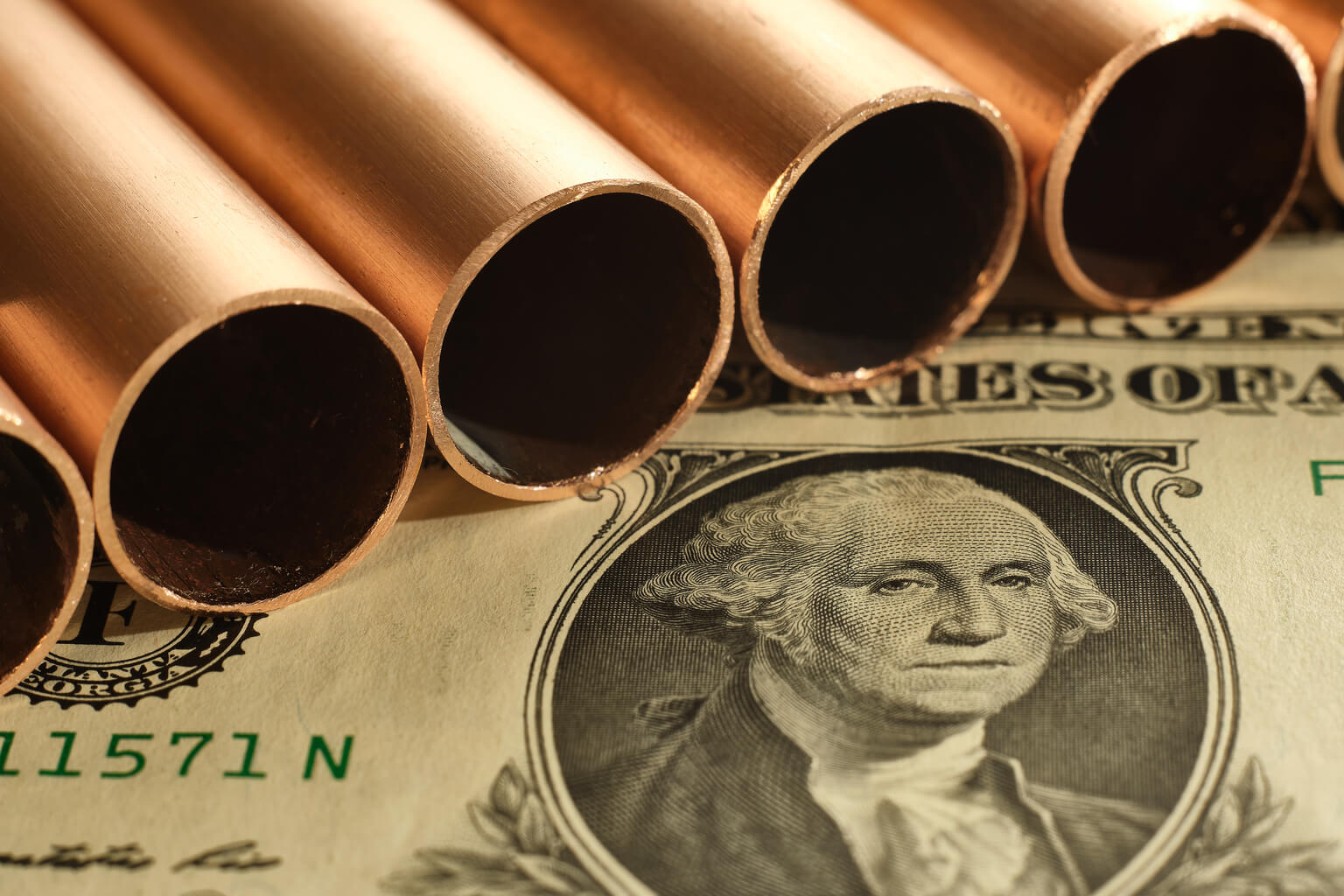
Copper, often nicknamed “Dr. Copper,” has a reputation for diagnosing the health of the global economy. Its widespread use in construction, manufacturing, and technology makes it a leading indicator of growth and risk sentiment. But beyond industrial cycles, copper also interacts closely with the U.S. dollar (USD). Traders often treat copper as a barometer for the dollar’s macro impact, combining signals from commodities, currencies, and global demand.
Why Copper and the Dollar Interact
Like other commodities, copper is priced in USD. This creates a structural inverse correlation: when the dollar strengthens, copper typically weakens, as it becomes more expensive for global buyers. Conversely, a weaker USD reduces costs for importers, boosting copper demand. Yet, the copper-dollar dynamic is more nuanced because copper prices also track global industrial activity and infrastructure spending.
Historical Trends
During periods of dollar strength, such as the 2014–2016 Fed tightening cycle, copper struggled due to higher costs for emerging market buyers. In contrast, the 2009–2011 post-crisis era saw a weaker dollar, a China-driven construction boom, and copper prices soaring above $10,000 per ton. The 2020 pandemic recovery offered a similar lesson: as the Fed flooded the market with liquidity and the dollar softened, copper surged on stimulus-led demand.
Why Traders Watch Copper as a USD Proxy
- Growth vs. Dollar Tug of War – Copper prices rising alongside a strong dollar can signal extraordinary industrial demand.
- Emerging Market Stress Test – A strong USD often pressures EM economies that rely on copper imports, making copper an indirect signal of dollar-induced stress.
- Policy Signals – Traders often link copper rallies during USD weakness to dovish Fed policies or Chinese fiscal stimulus.
Outlook
With energy transition driving demand for wiring, electric vehicles, and renewable infrastructure, copper’s role will only expand. Traders will continue using copper as a lens to measure how USD strength or weakness shapes commodity and growth cycles.