Extreme weather drives record insurance payouts and reconstruction costs, fueling fresh waves of demand for dollar-denominated assets.
By Alexander Lipton | Researcher & Ex-Banker
Introduction
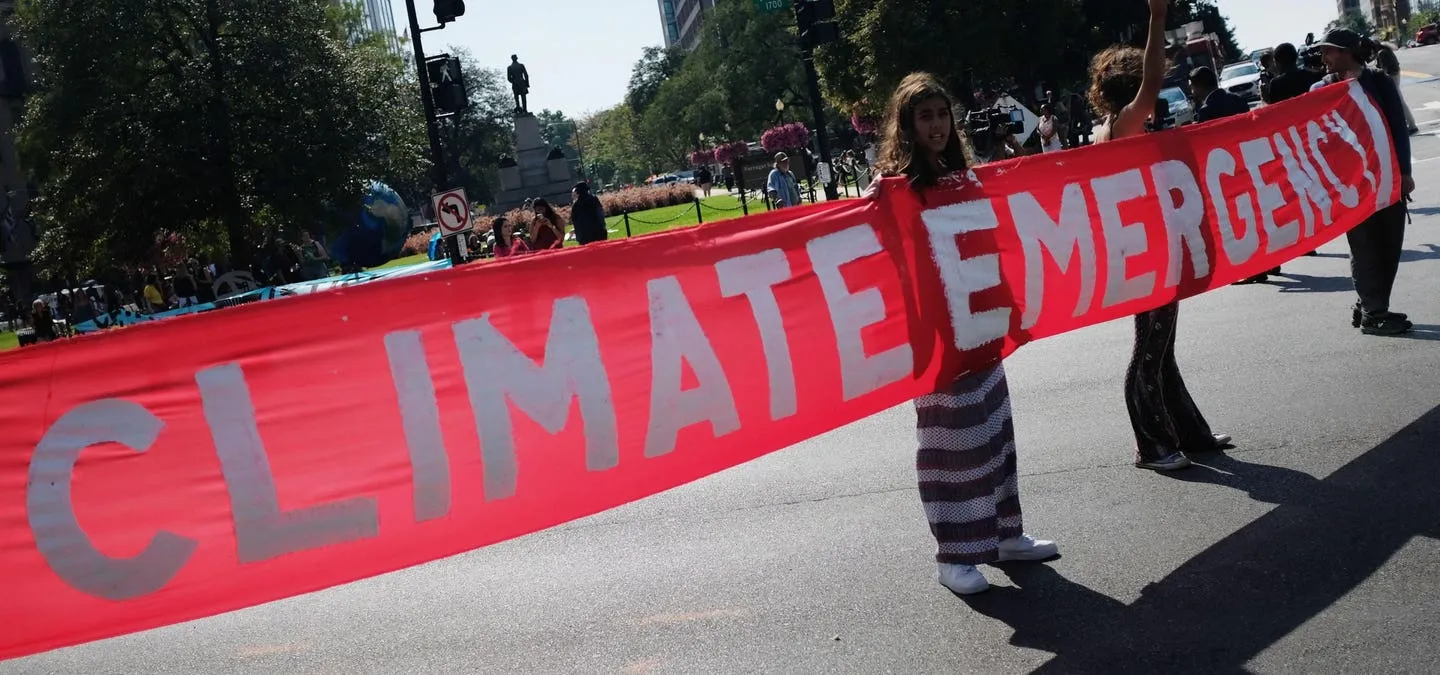
Climate change is no longer a distant concern — it is reshaping financial markets in real time. Hurricanes, floods, and wildfires are driving record insurance and reinsurance payouts, creating new patterns of capital flows. Much of this capital is dollar-denominated, reinforcing the greenback’s safe-haven status during climate crises. As insured losses mount, global insurers and reinsurers increasingly tap U.S. capital markets for liquidity, while affected economies face pressure to secure dollars for reconstruction and imports. For forex traders and macro analysts, climate shocks are emerging as a structural factor behind the “dollar premium”: a recurring bid for USD assets whenever environmental disasters hit. This dynamic illustrates how climate finance is merging with macroeconomics — and why traders cannot afford to ignore weather in their currency strategies.
Insurance and Dollar Demand
Insurance companies settle the majority of reinsurance contracts in U.S. dollars, regardless of where the disaster occurs. In 2023 alone, climate-related insured losses exceeded $100 billion globally, much of which was dollar-cleared. Each payout triggers dollar flows, strengthening the greenback as claims are settled. The dynamic is particularly strong in emerging markets, where local insurers rely on international reinsurance firms, further embedding dollar dependence.
MoM and YoY Data Context
- Insured Climate Losses: Reached $118bn in 2023, +15% YoY from 2022, with hurricanes and wildfires leading claims.
- Insurance Premiums: Rose ~8% YoY in 2024, increasing demand for dollar reserves.
- USD Flows: MoM spikes in dollar demand were evident after Hurricane Ian (2022) and Maui wildfires (2023), as insurers tapped global markets.
External Amplifiers of Climate–Dollar Link
- Crime & Fraud: Post-disaster fraud inflates claim volumes, forcing insurers to raise additional dollar liquidity.
- Geopolitics: Reconstruction aid often comes via multilateral institutions like the IMF and World Bank, disbursed in dollars.
- Energy Transition: Investments into climate adaptation and renewable infrastructure are largely financed in USD, reinforcing long-term flows.
Lessons for Traders
Climate shocks are increasingly macro events. Traders should monitor MoM spikes in insured losses and YoY premium trends as forward indicators of dollar demand. Hurricanes in the Atlantic basin, wildfires in North America, and floods in Asia not only disrupt local economies but also trigger structural flows into USD assets. FX markets often underestimate this channel, creating opportunities for those who price climate risk into dollar positioning.
Takeaway
The dollar premium is no longer just about geopolitics or Fed policy — it is also about climate resilience. Each disaster reinforces the greenback’s central role in global insurance and reinsurance networks. For traders and analysts, climate shocks are becoming as important as payrolls or CPI in shaping USD cycles. In a warming world, weather is monetary policy by another name.