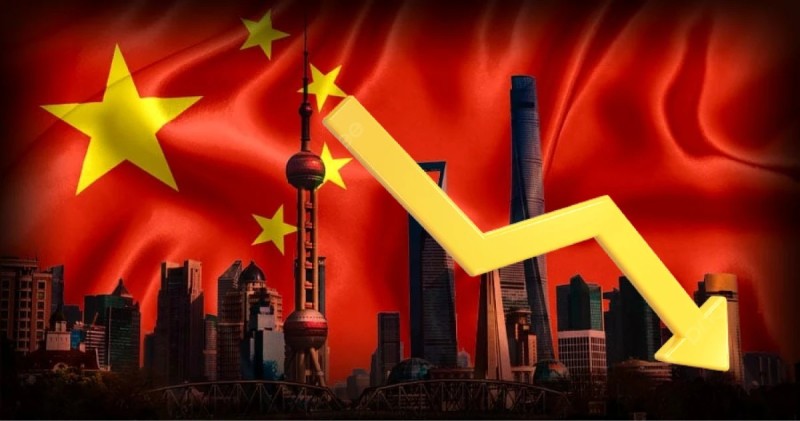
China’s economy is entering a period of renewed uncertainty as growth momentum weakens across manufacturing, exports, and domestic consumption. After a brief rebound earlier in the year, activity has slowed sharply, raising questions about the durability of recovery in the world’s second-largest economy. Weak consumer sentiment, sluggish investment, and softer global trade are shaping a cautious outlook that is reverberating across markets.
For investors, China’s slowdown carries significant implications for global demand, commodity pricing, and currency flows. As risk sentiment softens, the U.S. dollar has once again strengthened as investors seek safety, highlighting how global financial stability remains closely linked to both China’s growth path and the dollar’s dominance.
China’s Economic Momentum Loses Steam
Domestic Consumption Struggles to Recover
Household spending, once expected to lead China’s post-pandemic recovery, remains weak. Retail sales growth has slowed, and service sector expansion has cooled as consumer confidence declines. Rising unemployment and higher savings rates are dampening household demand. While targeted support programs have offered some relief, they have yet to spark a meaningful rebound in consumption.
Without stronger domestic confidence, China risks remaining stuck in a low-growth environment where exports and public investment continue to carry the economy. The challenge for policymakers is stimulating demand without reigniting the leverage problems that have weighed on growth for years.
Investment and Property Market Weakness
Investment spending continues to fall, particularly in real estate and infrastructure. The property sector remains under pressure as developers face financing difficulties and buyers remain cautious. This slowdown affects related industries such as steel, cement, and construction materials, creating a drag on overall output.
Foreign direct investment has also softened amid growing concerns about market transparency and slower demand. The result is a climate of caution, where businesses are reluctant to expand and investors wait for signs of stability before committing capital.
Global Trade Feels the Impact
Export Slowdown and Manufacturing Contraction
China’s manufacturing output has declined as export orders weaken. The combination of softer global demand and shifting supply chains is straining the country’s industrial sector. Factories are operating below capacity, and export volumes have slowed, suggesting that China’s once-powerful trade engine is losing momentum.
This slowdown is filtering through to commodity-exporting nations, many of which depend on Chinese demand for raw materials. Lower imports from China are reducing revenues for energy and metal exporters, adding to fiscal and trade pressures in developing economies.
Supply Chain Rebalancing and Spillover Effects
As China’s export competitiveness erodes, global manufacturers are increasingly diversifying production. Some industries are shifting to Southeast Asia and India, where labor costs are lower and trade policies are more favorable. While this helps diversify global supply chains, it also creates transitional frictions and reduces China’s central role in global trade.
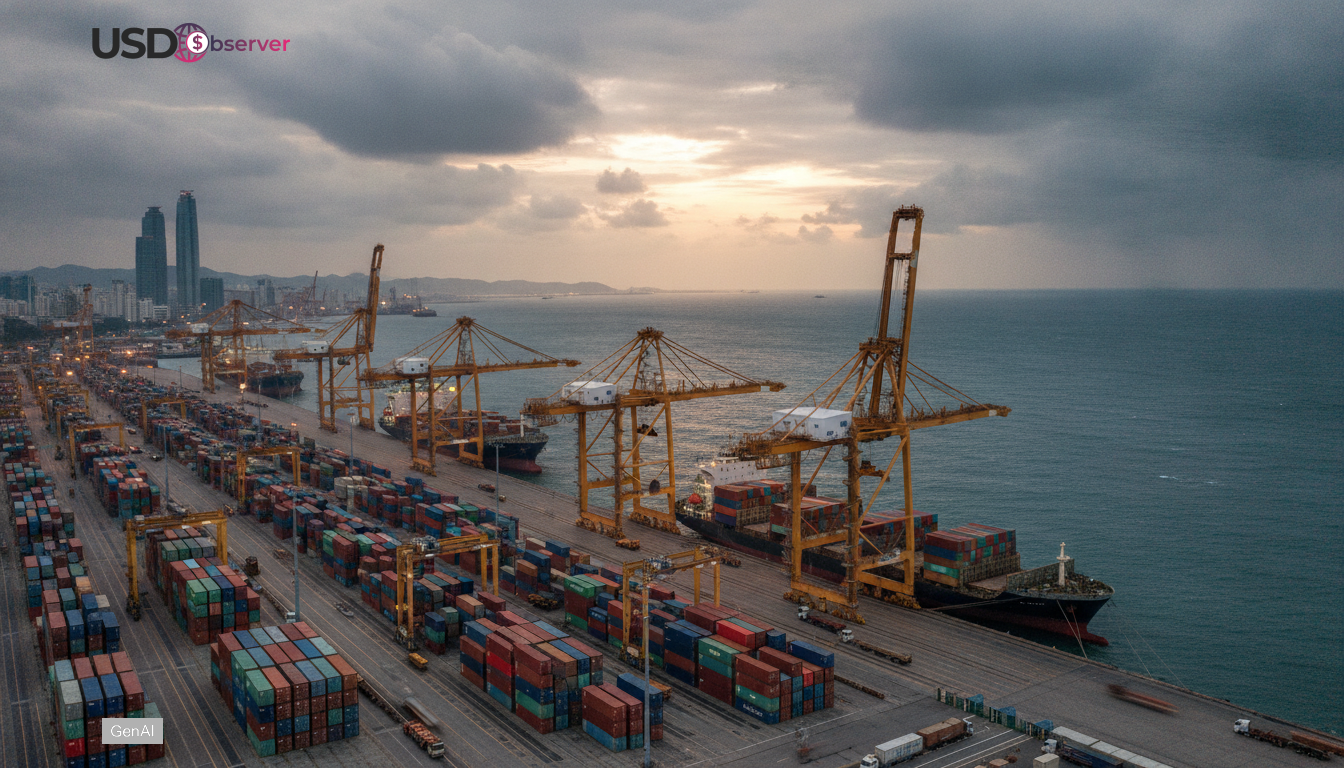
The resulting slowdown in trade activity is weighing on global shipping and logistics, with lower freight rates and weaker port activity signaling a broader deceleration in goods movement worldwide.
Dollar Gains as Safe Haven Flows Rise
Investors Seek Stability Amid Growth Risks
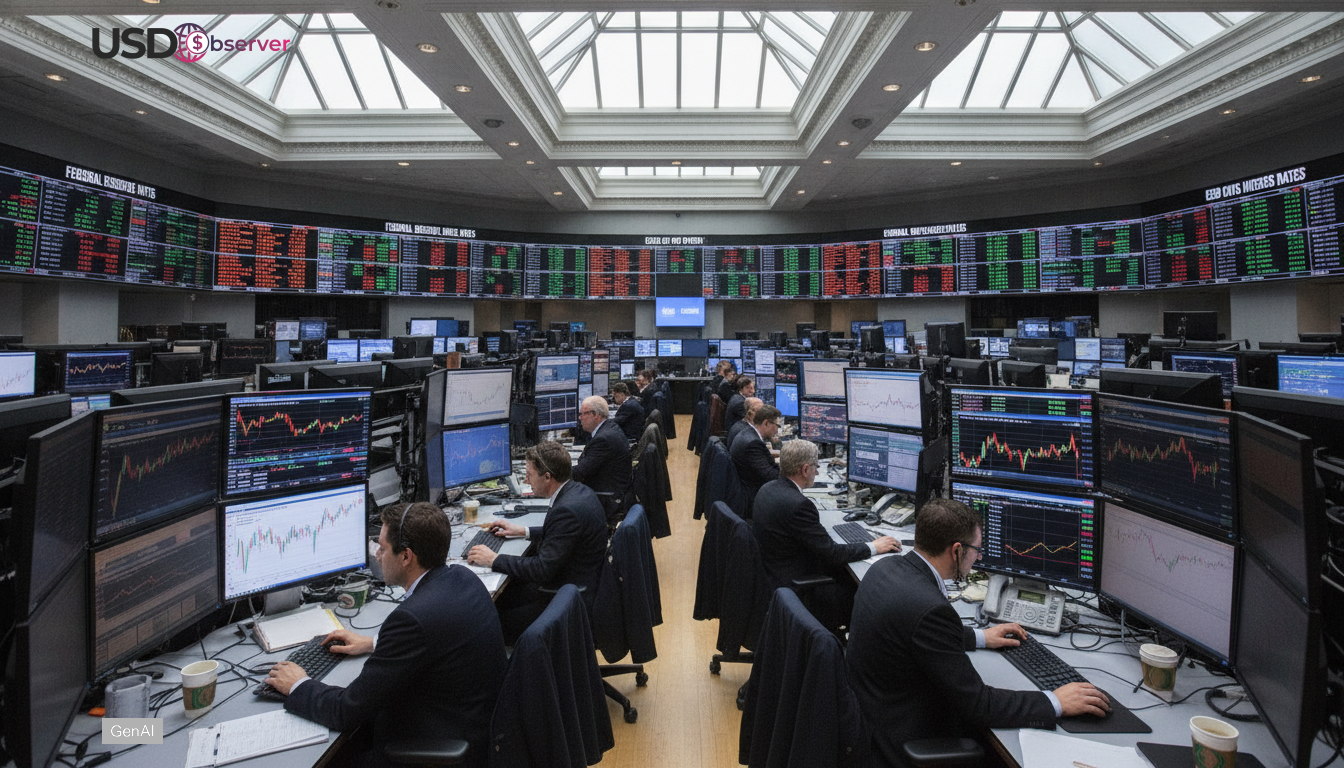
Rising concerns over China’s slowdown have prompted investors to increase exposure to the U.S. dollar. The currency’s strength reflects both its safe-haven appeal and investors’ preference for liquidity in uncertain times. As global growth expectations soften, dollar demand typically rises, driving capital flows into U.S. assets.
The trend reinforces the dollar’s position at the center of global finance. However, the pattern also exposes a vulnerability: when the dollar strengthens due to global weakness, it often tightens financial conditions for emerging markets, amplifying the very risks that push investors toward safety in the first place.
Currency and Commodity Implications
A stronger dollar exerts pressure on other currencies, particularly in emerging economies that carry dollar-denominated debt. As local currencies weaken, the cost of servicing external debt rises, adding strain to fiscal balances. Commodity prices, typically priced in dollars, also tend to ease when the dollar appreciates, putting further pressure on producers and exporters.
For global investors, these dynamics highlight the growing link between China’s economic trajectory, global commodity markets, and the dollar’s behavior. As long as uncertainty around China persists, safe-haven flows are likely to support dollar strength.
Policy Reactions and Outlook
China’s Balancing Act
Chinese authorities are trying to stimulate growth while containing financial risks. Policy measures have focused on infrastructure spending, credit support for small firms, and property-sector stabilization. Yet these initiatives remain cautious compared to past stimulus cycles, reflecting the government’s intent to avoid excessive debt buildup.
The effectiveness of these policies will determine whether growth stabilizes in the coming quarters. A stronger policy push could help restore confidence, but weak execution could keep growth subdued and global sentiment fragile.
Global Repercussions and Dollar Trajectory
The link between China’s slowdown and dollar strength is shaping global market behavior. If China’s recovery remains uneven, the dollar’s safe-haven appeal will persist, drawing more capital toward U.S. assets. Conversely, a firmer rebound in Chinese activity could ease pressure on global markets and moderate the dollar’s rise.
For now, the dollar’s dominance looks secure. Yet over the longer term, both fiscal constraints in the U.S. and global diversification efforts may gradually reshape the landscape for currency leadership.
Conclusion
China’s slowing recovery is sending ripples through global trade, commodities, and investment flows. Weak domestic demand and softer exports are reinforcing the dollar’s appeal as investors seek stability. For markets, this shift reflects both caution and opportunity a reminder that global confidence remains deeply intertwined with the economic fortunes of China and the strength of the U.S. dollar.