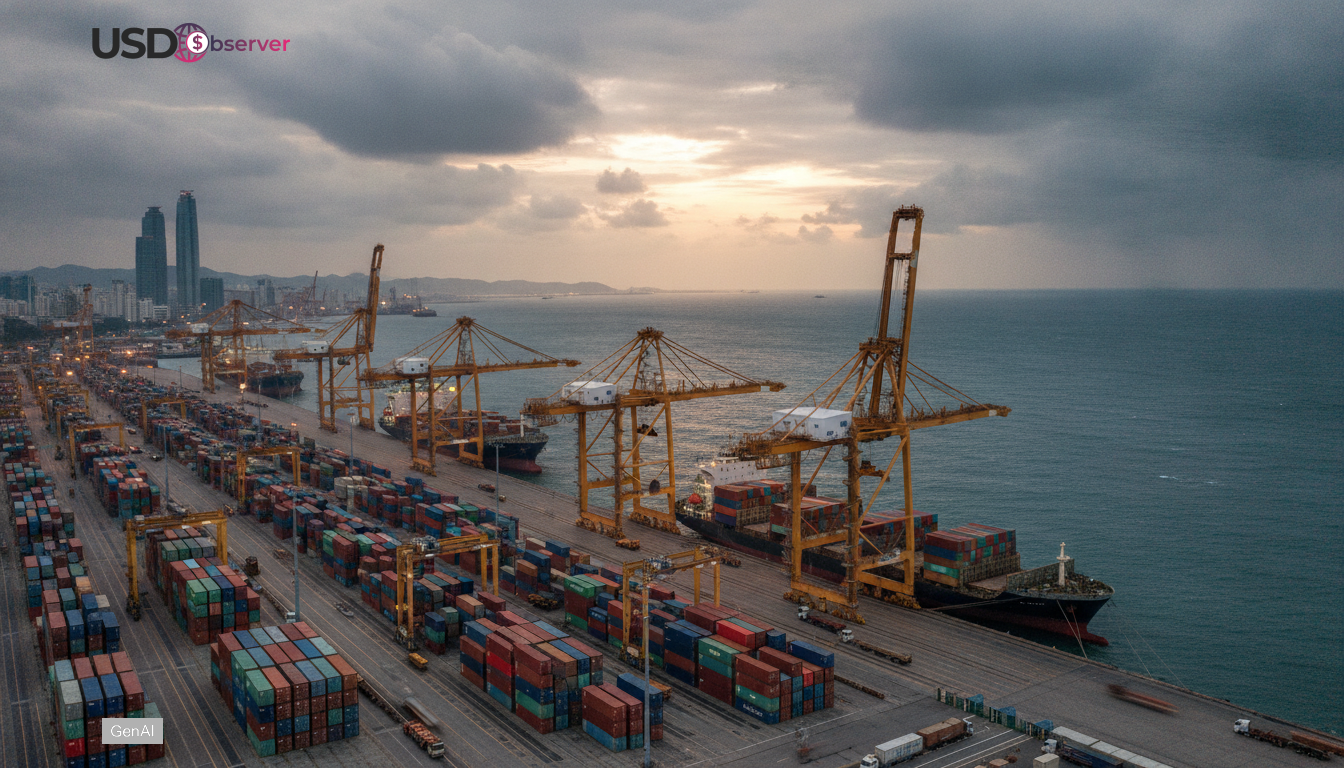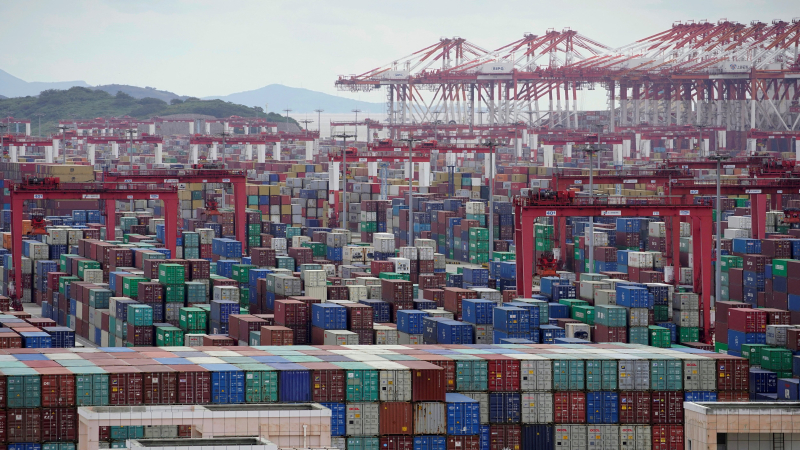
China’s economy, once the world’s growth powerhouse, is showing renewed signs of weakness, and global markets are taking notice. A mix of sluggish consumer demand, declining industrial activity, and weakening property investment is weighing on the country’s post-pandemic recovery. For exporters worldwide, this slowdown is creating ripple effects across supply chains, trade balances, and currency markets. As China falters, the U.S. dollar is finding fresh strength from capital flows seeking safety and stability.
The slowdown in the world’s second-largest economy underscores how fragile the global growth outlook has become. Manufacturing activity has contracted for several consecutive months, with business sentiment weakening and new export orders declining. Despite policy support from Beijing, local demand remains subdued, and households continue to save rather than spend. That combination has reduced China’s appetite for imports, affecting major trading partners in Asia, Africa, and Latin America that rely on Chinese consumption.
China’s Recovery Falters
Data from key Chinese industries point to a steady loss of momentum. Factory output has been restrained by soft global demand, while domestic consumption is dampened by falling property prices and high youth unemployment. Even as Beijing introduces targeted stimulus measures, confidence among private businesses remains low, reflecting structural concerns about debt and long-term productivity.
The slowdown has also revealed the limits of China’s traditional growth model. Investment in heavy industry and infrastructure no longer delivers the same economic lift it once did. Meanwhile, the transition toward a consumption-led economy is progressing more slowly than policymakers hoped. These internal challenges are not just domestic issues they are reshaping global trade flows and influencing currency dynamics worldwide.
Global Exporters Feel the Heat
China’s weakening demand has already begun to impact export-driven economies. Commodity producers from Brazil to Indonesia are seeing lower orders, while manufacturing hubs in Southeast Asia face reduced supply-chain activity. For European and American firms, slower Chinese imports have curbed industrial orders and lowered revenue projections for the year ahead.
The broader concern is that global exporters may not be able to find immediate substitutes for Chinese demand. Many developing economies depend heavily on exports of metals, machinery, and consumer goods to China. With volumes falling, these nations are seeing widening current-account deficits and increased borrowing needs. As a result, pressure on local currencies has intensified, forcing some central banks to raise rates to prevent further depreciation.
What It Means for Dollar Strength
The consequences of China’s slowdown extend well beyond Asia. As investors reassess risk, capital continues to flow into U.S. assets, reinforcing the dollar’s dominance. The dollar’s strength has been further supported by higher U.S. yields and a resilient domestic economy. In periods of uncertainty, global markets often turn to the dollar as a safe haven, creating a self-reinforcing cycle that keeps it elevated.
This dynamic poses challenges for emerging markets. A stronger dollar increases the cost of dollar-denominated debt and raises import prices, putting additional strain on economies already facing inflation and fiscal stress. For policymakers in developing regions, the combination of weaker Chinese demand and tighter dollar liquidity is a double blow reducing export income while raising financing costs.
Even as Beijing rolls out new measures to stabilize its currency and boost domestic spending, markets remain skeptical about the sustainability of its recovery. Until China demonstrates a durable rebound, the dollar is likely to remain the preferred refuge for investors worldwide.
The Road Ahead for Global Growth
If China can re-ignite domestic demand and maintain policy consistency, it could restore balance to global trade and reduce upward pressure on the dollar. Stronger consumption, particularly in technology and renewable energy sectors, could help lift neighboring economies and revive export momentum. But if the current pattern of weak growth persists, the drag on global trade could extend well into 2026.
Policymakers and investors are closely watching how Beijing navigates this moment. The world’s supply chains, commodity markets, and currency alignments are increasingly tied to China’s recovery path. How effectively the country balances short-term stabilization with long-term structural reform will shape not just its own outlook, but also the broader health of the global economy.
Conclusion
China’s slow recovery is no longer just a domestic concern it is a global story shaping trade, currency markets, and investment flows. With growth momentum faltering and confidence fading, the strong dollar has reasserted its position as the world’s financial anchor. Unless China can restore stability and reignite demand, the global economy may face another year of uneven growth and rising dollar dominance.