China’s economic outlook for 2025 has been revised downward as weaker domestic activity and global uncertainty weigh on momentum. The slowdown comes after a period of fragile recovery marked by subdued investment and uneven consumption. With growth now tracking closer to the mid-4 percent range, concerns are mounting over how this deceleration will reshape global trade and commodity markets.
For decades, China’s role as the world’s growth engine has been anchored in its vast industrial base and appetite for commodities. That relationship is beginning to shift. Slower domestic demand and cautious fiscal policy are limiting the pace of recovery, while exporters face shrinking margins due to lower global demand and currency volatility.
The broader implications are significant. A weaker China means less demand for energy and raw materials, a softer global trade cycle, and a potentially stronger U.S. dollar as investors seek safer assets. The world is entering a phase where the balance between Chinese demand and global liquidity may define the direction of markets through next year.
Trade Impact and Export Vulnerability
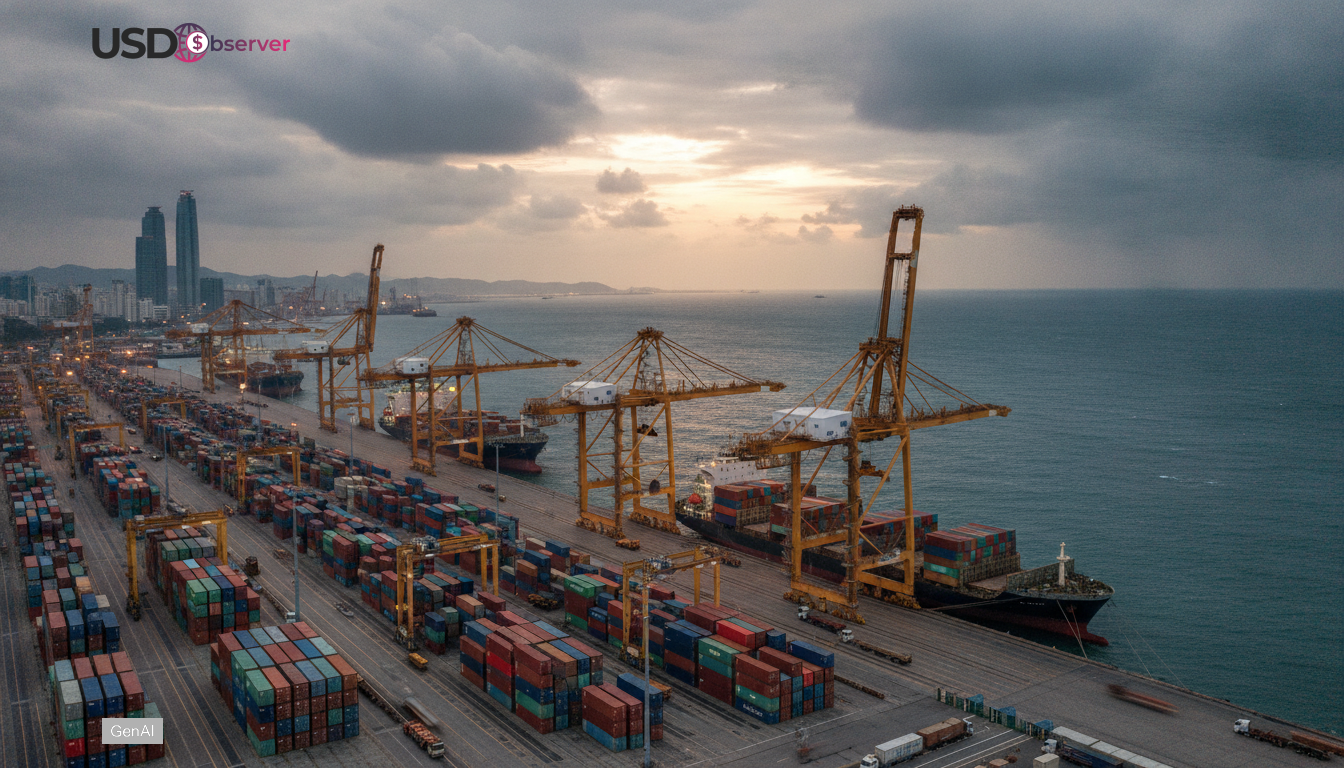
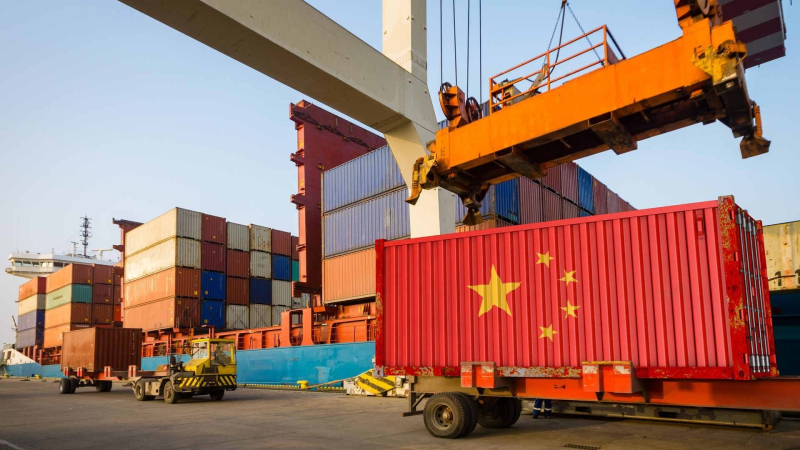
China’s export sector, once a pillar of its rapid growth, is showing visible cracks. The pace of shipments to key markets in the United States and Europe has slowed, reflecting softer demand for manufactured goods. Companies are also facing a squeeze from rising labor costs, competitive pressure from Southeast Asia, and tighter access to foreign capital.
Although electronics and machinery exports remain relatively stable, other industries such as textiles, construction materials, and intermediate goods are seeing reduced orders. The changing global trade environment is encouraging companies to diversify supply chains and production hubs, gradually shifting activity away from mainland China.
This transition adds pressure on policymakers to stimulate domestic consumption and innovation. However, household confidence remains weak, and property-sector uncertainty continues to weigh on spending. Without stronger internal demand, China’s ability to offset external weakness will remain limited.
Weakening Commodity Demand and Market Adjustments
China’s moderation is sending ripples through the global commodity complex. Demand for metals such as copper, aluminum, and steel has cooled as construction and industrial projects slow. Energy consumption is also stabilizing, reflecting both improved efficiency and cautious output targets from key sectors.
For commodity exporters from Australia to Brazil, this shift poses immediate challenges. Lower Chinese demand translates to weaker export revenues and tighter fiscal space for resource-dependent economies. Several producers have already adjusted output forecasts to align with China’s cooling industrial appetite.
Meanwhile, global oil prices have softened as markets anticipate slower Chinese refinery demand. A continued pullback from China could stabilize or even depress prices further, reshaping trade balances across the Middle East and Africa. The ripple effect reinforces how central China’s consumption remains to the world’s resource economy.
U.S. Dollar Resilience and Global Currency Shifts
The slowdown in China coincides with persistent strength in the U.S. dollar. Global investors are seeking safety amid policy uncertainty and slower growth, driving renewed capital flows into dollar-denominated assets. The dollar’s rise has made life harder for countries with trade or debt exposure to China, as stronger U.S. currency values tighten financial conditions worldwide.
For China itself, a strong dollar complicates export competitiveness and external financing. The yuan has faced depreciation pressure in recent months, prompting policymakers to manage volatility carefully while maintaining liquidity in domestic markets. Despite these headwinds, China remains cautious about allowing large currency moves that could trigger instability.
The shifting global currency landscape also highlights a deeper reality: the world’s reliance on the dollar as the primary channel of trade and investment persists. While China and other emerging economies continue to explore alternative payment systems, the near-term balance still favors dollar dominance.
Policy Response and Domestic Rebalancing
Policymakers in Beijing are navigating a delicate balance between short-term stabilization and long-term reform. The government has introduced modest stimulus measures targeting infrastructure, green technology, and manufacturing innovation. However, large-scale fiscal expansion remains off the table for now, reflecting a preference for measured, sustainable policy.
Monetary authorities have trimmed key lending rates and increased liquidity injections to ease funding costs. Still, the central bank’s challenge is maintaining confidence without reigniting excessive debt growth. Authorities are also encouraging regional governments to prioritize investment in high-value sectors that can boost productivity rather than rely on speculative real estate activity.
The structural goal remains clear: transition from an export-led model to a domestic consumption-driven economy. That shift requires time and trust. Consumers must feel secure about income prospects, and local businesses must adapt to a slower but more sustainable economic rhythm.
Outlook and Global Implications
The outlook for China’s economy will depend on how effectively it manages this transition. If domestic consumption strengthens and stimulus gains traction, growth could stabilize around 5 percent by late 2025. However, continued weakness in property investment and exports could push it lower, leaving global trade and commodity markets vulnerable to prolonged softness.
For energy and resource producers, this means recalibrating expectations. A slower China implies weaker demand for oil, gas, and metals, but also less inflationary pressure worldwide. At the same time, it strengthens the relative position of the U.S. dollar, as investors turn to stable returns amid uncertainty.
Ultimately, China’s economic slowdown is less a temporary dip and more a reflection of structural transformation. As it shifts toward innovation, domestic services, and technology, the pace of growth may stay moderate but more balanced. Global markets will need to adjust to this new normal one where China’s influence remains powerful but more measured than before.
Conclusion
China’s trimmed growth outlook signals the end of an era of breakneck expansion and the beginning of a more mature, complex phase. The implications reach far beyond its borders, affecting trade partners, commodity producers, and currency markets alike.
The focus now turns to how effectively China can sustain stability while fostering domestic demand and innovation. For the global economy, a slower China may mean steadier growth but fewer tailwinds. The challenge will be navigating a world where the forces driving prosperity are shifting, and where the balance between strength and stability matters more than speed.