News
US Dollar Index Posts Gains on Global Risk Aversion
The United States Dollar Index recorded another strong performance this week as investors sought safety in response to rising uncertainty across global markets.


The United States Dollar Index recorded another strong performance this week as investors sought safety in response to rising uncertainty across global markets.
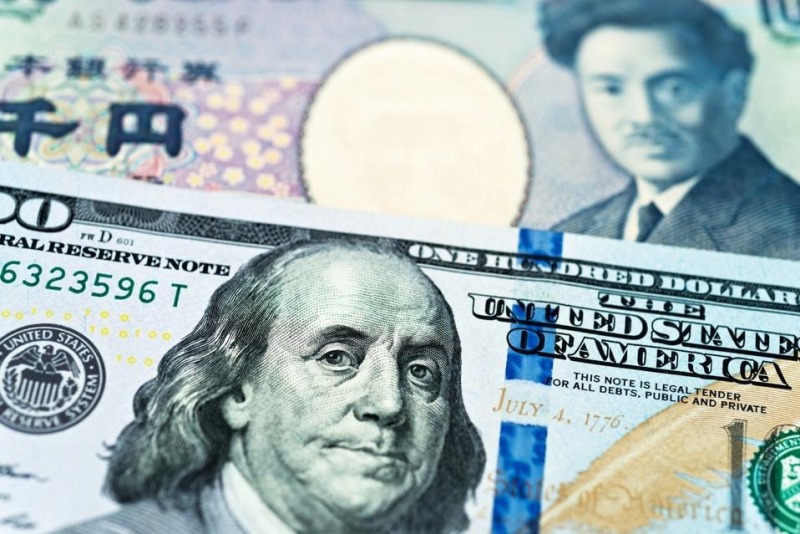
Introduction The U.S. dollar is heading toward its strongest weekly performance in nearly a year as the Japanese yen continues to weaken sharply against major

Introduction The global foreign exchange (FX) market, which sees an average daily turnover of around $9.6 trillion as of 2025, remains overwhelmingly dominated by the
Introduction: The U.S. dollar has recently gained momentum, reflecting the impact of key economic data and investor sentiment on global currency markets. After periods of

Introduction: The European Central Bank (ECB) announced on October 7, 2025, that it would maintain its key interest rates at current levels, signaling a temporary

Introduction Oil prices rose notably on October 7, 2025, after OPEC+ announced a restrained production increase of 137,000 barrels per day for November. While smaller
Introduction Kansas City Federal Reserve Bank President Jeff Schmid recently emphasized the central bank’s cautious stance toward further rate cuts, highlighting the delicate balance between
Intro The share of the US dollar in global reserves has gradually declined in 2025, prompting analysis of the implications for global currency markets, trade

Introduction BRICS nations are expected to continue exploring coordinated currency and trade strategies in 2025, raising questions about global currency dynamics and alternative settlement mechanisms.
Introduction Recent Federal Reserve policy rate updates in Q4 2025 have had significant effects on global markets, including forex, fixed income, and digital asset liquidity.