Introduction: Two Fronts for the Dollar
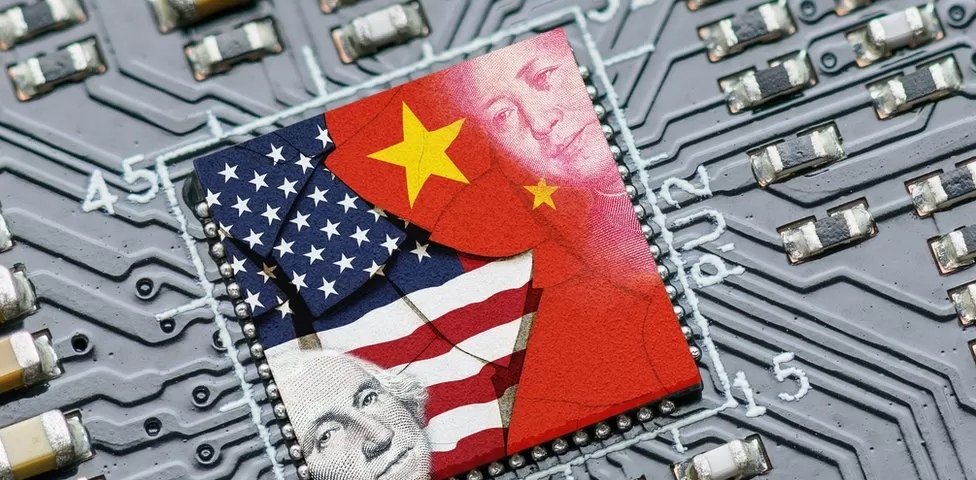
Between 2020 and 2025, the U.S. dollar has faced challenges on two distinct fronts. Abroad, geopolitical blocs — from the expansion of BRICS to energy exporters settling trades in non-USD currencies — have sought to chip away at dollar dominance. At home, the Federal Reserve has battled persistent inflation while maintaining employment, a balancing act that directly shaped yields and global flows. Together, these forces created an era of volatility where the dollar’s global supremacy was questioned, even as U.S. policy kept it resilient.
Fed’s Domestic Mandate: Inflation vs. Jobs
The pandemic shock initially drove the Fed to slash rates to near zero and expand its balance sheet. But by 2022, inflation had surged above 9%, forcing the most aggressive tightening cycle since the 1980s.
- 2022–2023: Rates rose from 0.25% to above 5%, cooling demand but leaving unemployment near historic lows (3.5–3.7%). The Fed’s credibility hinged on proving inflation was not entrenched.
- 2024–2025: Core inflation eased but remained sticky around 3–4%, raising the “higher-for-longer” debate. Rate cuts were signaled but repeatedly delayed, keeping Treasury yields elevated.
This domestic focus — inflation control without breaking labor markets — anchored the dollar in global portfolios. The Fed’s guidance alone often moved currencies more than political statements from abroad.
External Blocs: BRICS and De-Dollarization
While the Fed managed inflation at home, external blocs tested U.S. financial hegemony.
- BRICS expansion (2023): New members like Saudi Arabia and the UAE signaled a pivot in energy trade. Some oil deals began settling in yuan, dirhams, or rupees.
- Sanctions workarounds: Russia, cut off from SWIFT after 2022, deepened use of local-currency channels with China and India.
- Reserve diversification: Central banks modestly raised gold holdings and trimmed dollar shares, nudging USD reserves down to ~58% from ~60% in 2020.
These moves symbolized dissatisfaction with U.S. leverage over global finance. Yet in practice, no rival currency matched the dollar’s liquidity, legal safeguards, or deep capital markets.
Dollar Volatility: Intersection of Domestic and Global Forces
The dollar’s trajectory between 2020 and 2025 showed how external and internal pressures collided:
- 2020: COVID panic sent investors flooding into USD assets as the ultimate safe haven.
- 2022: Fed hikes drove the Dollar Index (DXY) to a 20-year high (~114), even as BRICS rhetoric grew louder.
- 2023: Fitch’s downgrade of U.S. debt and BRICS summit headlines briefly rattled confidence, but elevated U.S. yields kept the dollar supported.
- 2024–2025: Each softer inflation print sparked bets on Fed cuts, weakening the dollar temporarily — until geopolitical shocks or risk aversion reinforced its haven role.
The Dollar’s Risk Premium
Both fronts contributed to a dollar risk premium:
- Geopolitical risk raised questions about over-reliance on the U.S. financial system.
- Domestic risk centered on whether the Fed could tame inflation without sparking recession.
Yet paradoxically, these risks often reinforced dollar demand. During external turbulence, investors bought Treasuries. During domestic inflation spikes, higher rates made dollar assets more attractive.
Conclusion: Supremacy Under Stress, Not Surrender
From 2020 to 2025, the dollar has been squeezed by geopolitical blocs abroad and inflation mandates at home. Both forces injected volatility into Treasury yields and FX markets. But attempts to dethrone the dollar have so far remained symbolic, while the Fed’s policy discipline and U.S. market depth preserved its safe-haven status.
The story is not one of collapse, but of resilience under pressure: the dollar remains king, but its crown now carries a heavier risk premium — shaped as much by politics and geopolitics as by economics.