Singapore, August 27, 2025 – For decades, the U.S. dollar has reigned supreme as the global reserve currency, powering international trade, capital flows, and commodities pricing. But in recent years, a digital challenger has begun to gain traction: stablecoins. Among them, Tether (USDT) stands out as the most widely used, raising the question – is USDT quietly becoming the “new dollar” abroad, especially in regions struggling with inflation and financial instability?
From Paper to Digital Dollars
The U.S. dollar’s dominance rests on trust, liquidity, and global acceptance. But as cross-border trade digitalizes, reliance on physical cash and slow-moving banking systems is increasingly seen as inefficient. Enter stablecoins – blockchain-based tokens pegged to fiat currencies, designed to replicate their value while offering faster and cheaper transfers.
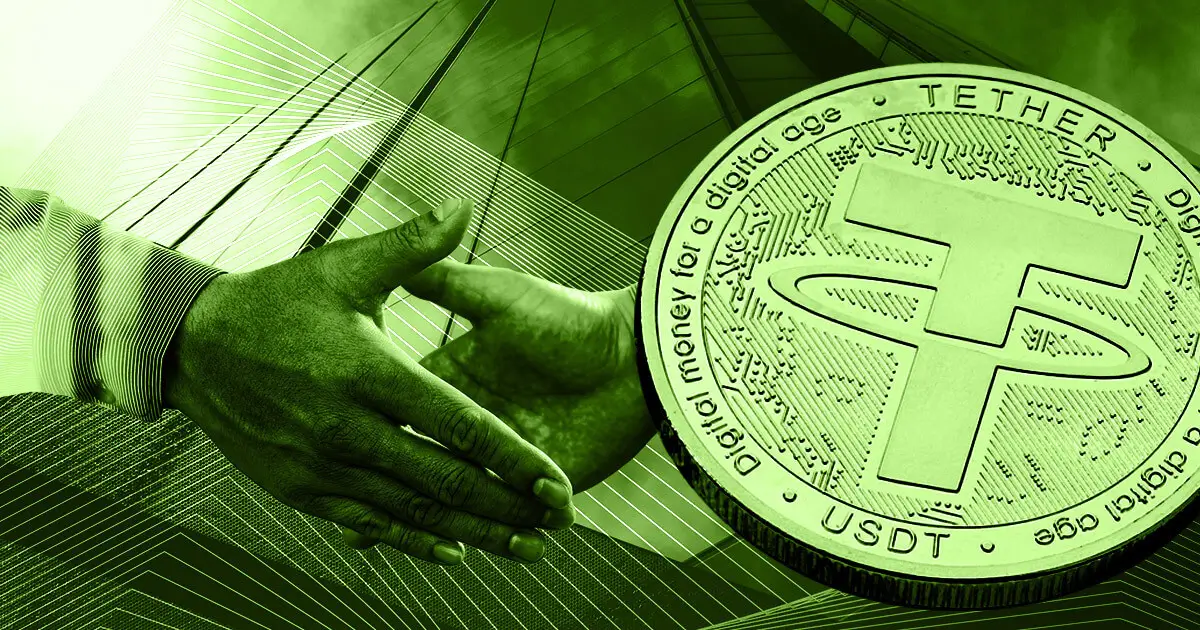
Tether, launched in 2014, is the largest stablecoin, with a market capitalization exceeding $100 billion in 2025. Backed (at least in part) by dollar reserves and short-term Treasuries, USDT has become the preferred choice for traders, businesses, and even ordinary people in countries where access to dollars is scarce.
Why Tether, Why Now?
Several factors explain USDT’s global rise:
- Emerging Market Demand: In places like Argentina, Turkey, and Nigeria – where local currencies depreciate rapidly – citizens turn to Tether as a hedge against inflation. Buying USDT on crypto exchanges or peer-to-peer platforms is often easier than accessing physical U.S. dollars.
- Cross-Border Trade: Importers and exporters increasingly settle invoices in USDT to avoid delays and fees associated with SWIFT transfers.
- Crypto Trading Hub: Within the digital asset world, most crypto pairs are denominated in USDT, making it a cornerstone of global crypto liquidity.
- Sanctions & Financial Restrictions: For economies facing U.S. or EU sanctions, Tether provides a workaround to access “digital dollars” without the traditional banking system.
This combination has allowed USDT to spread in ways that the physical dollar cannot, especially in regions underserved by the global banking infrastructure.
Competing with the Greenback
While Tether’s adoption is growing, it doesn’t yet match the scale of the dollar. The U.S. dollar still accounts for nearly 60% of global foreign exchange reserves, while Tether remains mostly in private, decentralized circulation.
But in practical terms, especially on the ground in emerging markets, Tether is beginning to act like the dollar itself. In Venezuela, where hyperinflation destroyed trust in the bolivar, shopkeepers accept USDT payments directly via mobile apps. In Nigeria, crypto traders use Tether as a reliable unit of account, bypassing the naira’s volatility. Even in Ukraine, during wartime disruptions, humanitarian aid and remittances were sent using USDT when banks were inaccessible.
Regulators Push Back
Tether’s rise hasn’t come without scrutiny. U.S. regulators, particularly the SEC and Treasury Department, worry that widespread use of stablecoins could undermine financial oversight and the dollar’s control mechanisms. Questions about Tether’s reserve transparency remain a sticking point.
Unlike the U.S. Federal Reserve, which has strict accountability and legal frameworks, Tether operates from outside the U.S., with limited regulatory oversight. Critics argue this exposes users to risks if reserves are ever found insufficient or mismanaged.
Nonetheless, Tether has survived multiple investigations and continues to grow. Its resilience underscores the demand for dollar alternatives in digital form.
Is Tether the “New Dollar” Abroad?
In many ways, yes. For ordinary citizens in unstable economies, Tether is the most accessible way to store wealth in a dollar-like form. For businesses in cross-border trade, it reduces settlement time from days to minutes. For crypto markets, it remains the dominant unit of liquidity.
However, analysts caution against overstating the shift. The U.S. dollar is backed by the world’s largest economy, deep Treasury markets, and institutional trust built over decades. Tether, by contrast, is a private company that relies on confidence in its reserves.
The Bigger Picture: CBDCs on the Horizon
Governments are watching closely. China has already rolled out its digital yuan, and the U.S. is exploring a digital dollar (CBDC) to counter stablecoin dominance. If central banks step into the digital currency space, Tether’s role may shift from challenger to complement.
For now, though, stablecoins like USDT are filling a gap the traditional financial system cannot – providing instant, borderless, dollar-like access to millions.
Bottom Line
The U.S. dollar remains the backbone of the global economy, but in regions where banking systems fail and inflation eats away savings, Tether has emerged as a digital lifeline. Whether it will become the “new dollar” abroad depends not only on user adoption but also on regulatory decisions and competition from central banks.
For now, the rise of USDT signals a changing financial landscape: the dollar’s power may remain intact, but its digital shadows are spreading faster than ever.