Introduction: The Shifting Landscape
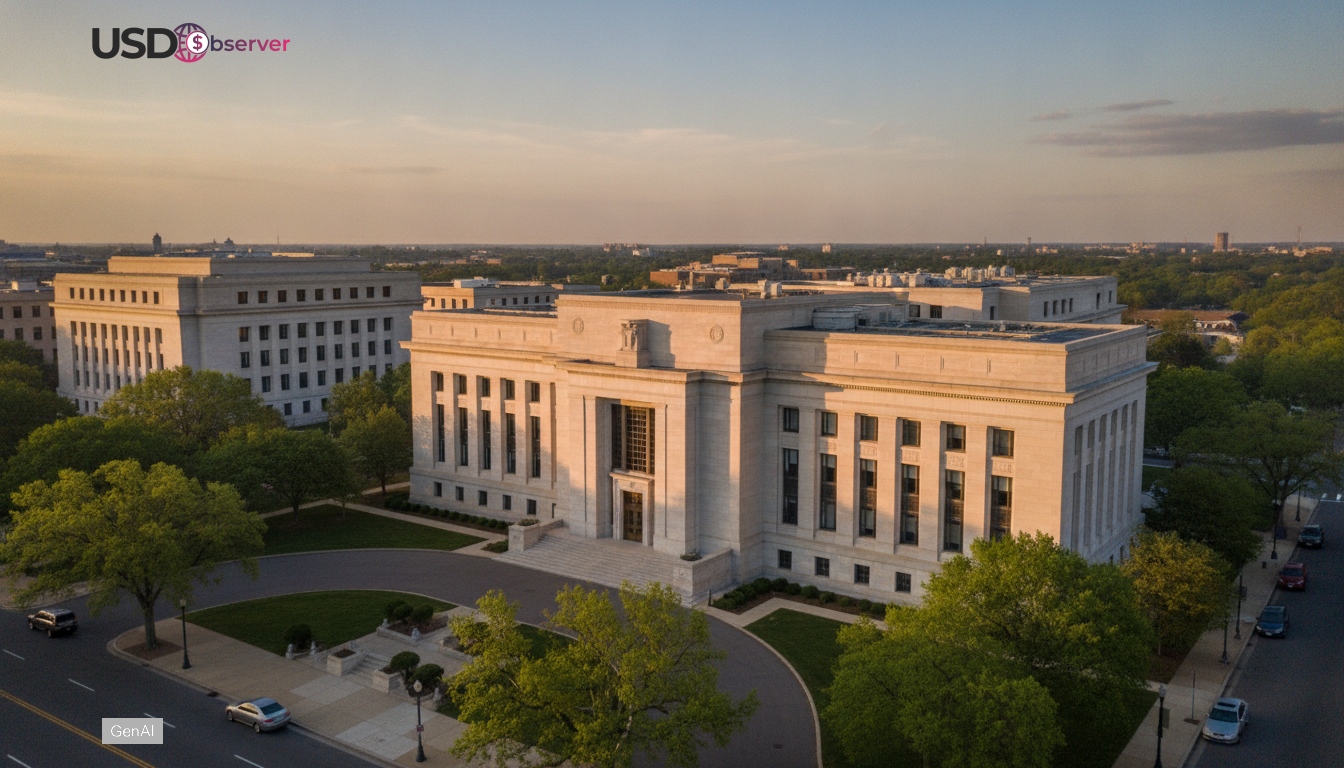
From 2020 to 2025, the global financial order has been shaped by two overlapping forces: the U.S. Federal Reserve’s interest rate cycle and growing efforts by emerging economies to reduce reliance on the dollar. The expansion of BRICS — Brazil, Russia, India, China, and South Africa — to include new members such as Saudi Arabia, the UAE, and others in 2023, alongside broader “de-dollarization” rhetoric, has introduced a geopolitical challenge to dollar dominance. Yet these ambitions have collided head-on with the reality of the Fed’s tightening and higher U.S. yields.
The Fed’s Policy: Driving the Dollar Cycle
The pandemic years brought ultra-low rates, quantitative easing, and a global flood of dollar liquidity. But starting in 2022, the Fed embarked on its fastest hiking cycle since the 1980s, pushing policy rates from near zero to above 5% by mid-2023.
For global markets, this meant two things:
- Capital inflows to the U.S. – Higher yields attracted global investors, strengthening the dollar even as talk of de-dollarization gathered momentum.
- Stress on emerging markets – Countries reliant on dollar funding faced rising costs. Currency depreciation and debt-servicing burdens intensified, especially where energy and food imports were priced in dollars.
The Fed’s “higher-for-longer” stance into 2024–2025 kept the dollar attractive, complicating BRICS’ efforts to accelerate use of alternative settlement mechanisms.
BRICS Expansion: Ambition vs. Reality
The Johannesburg BRICS Summit of 2023 marked a turning point, with the bloc announcing expansion to include major commodity exporters like Saudi Arabia, UAE, Egypt, Ethiopia, Iran, and Argentina (though Argentina later stepped back). The narrative was clear: leverage commodity flows and south-south trade to build resilience against dollar dominance.
Key initiatives included:
- Local currency settlement agreements (e.g., India-Russia oil trade in rupees).
- Cross-border payment systems designed to bypass SWIFT.
- Rhetoric around a potential “BRICS currency.”
Yet, implementation lagged. Members differed in priorities — China pushed for greater yuan use, while India hesitated on ceding influence. The lack of financial depth and convertibility in BRICS currencies limited global uptake.
De-Dollarization: Incremental, Not Revolutionary
From 2020–2025, de-dollarization manifested more as incremental diversification than a full break.
- Reserve portfolios: Central banks modestly increased gold and non-USD holdings.
- Commodity invoicing: Some energy trades shifted into yuan or dirhams, particularly with Russian and Middle Eastern partners.
- SWIFT alternatives: Russia’s SPFS and China’s CIPS gained traction regionally, but lacked the scale and trust to replace dollar infrastructure.
In practice, the dollar’s share of global reserves fell from about 60% in 2020 to ~58% in 2024, but it remained unrivaled. The network effects of U.S. markets, deep liquidity, and legal protections kept it dominant.
The Interplay: Fed Policy Undercutting BRICS Momentum
What tied these developments together was the Fed’s policy stance. Each time U.S. yields rose, de-dollarization momentum faltered:
- 2022–2023: As the Fed hiked aggressively, the dollar surged to a 20-year high (DXY ~114), drawing capital even from countries critical of U.S. policy.
- 2023–2024: Fed signals of a pause or eventual cuts briefly boosted BRICS narratives. Yet sticky U.S. inflation and strong labor markets extended higher yields, supporting the dollar’s floor.
- 2025 Outlook: With rates still elevated and growth moderating, the dollar remains the default safe haven. BRICS strategies may evolve, but they struggle to compete against U.S. Treasuries as the world’s ultimate collateral.
Socio-Economic Undercurrents
The push for de-dollarization has symbolic power, rooted in frustration with U.S. sanctions, perceived weaponization of the dollar, and a desire for multipolarity. But capital markets trust is not built on politics alone — it requires open capital accounts, transparent legal systems, and deep liquidity.
Until BRICS members address these fundamentals, efforts will remain regional and bilateral, not systemic. The Fed, meanwhile, continues to set the tone for global funding costs, ensuring the U.S. dollar’s centrality even in moments of political challenge.
Conclusion: Parallel Tracks
Between 2020 and 2025, BRICS expansion and de-dollarization efforts have run parallel to — but not displaced — the Fed-driven dollar cycle. Environmental shocks, geopolitical tensions, and political ambitions all fuel the rhetoric of alternatives. Yet as long as U.S. interest rates remain high, Treasuries liquid, and investors seeking safety, the dollar will retain its premium.
The story is less about dethronement and more about incremental diversification: a slow chipping at dollar dominance, constrained by the gravitational pull of U.S. monetary policy.