Global Economy
Labor Market Strength vs. Dollar Weakness: 2023 Year-End Analysis
The U.S. economy closed 2023 with a still-tight labor market—unemployment at 3.7% and 216,000 nonfarm jobs added in December yet the U.S.


The U.S. economy closed 2023 with a still-tight labor market—unemployment at 3.7% and 216,000 nonfarm jobs added in December yet the U.S.
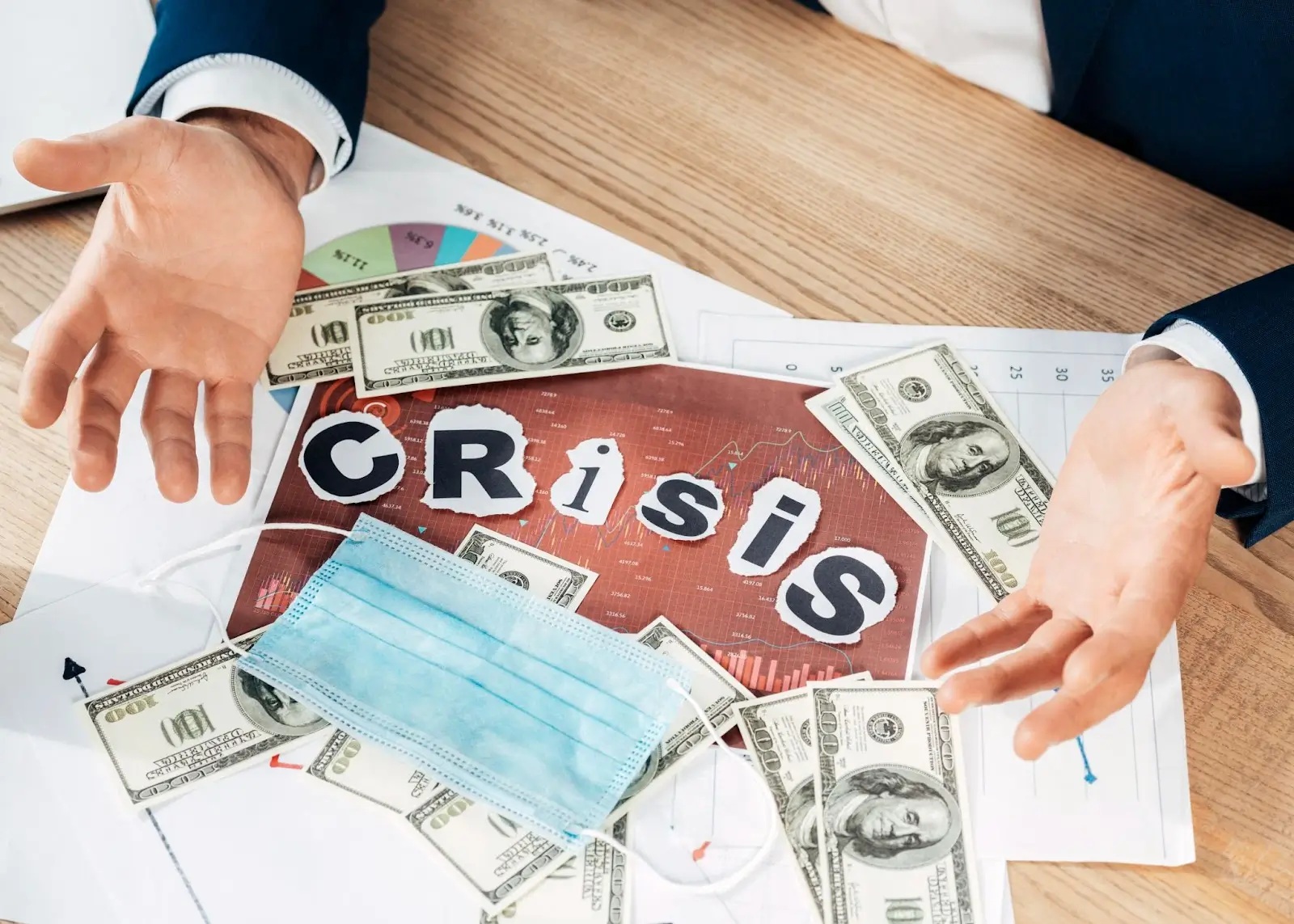
Between 2020 and 2025, the U.S. dollar has been tested by historic forces from pandemic-era stimulus and labor rebounds, to the fastest Federal Reserve tightening cycle in decades
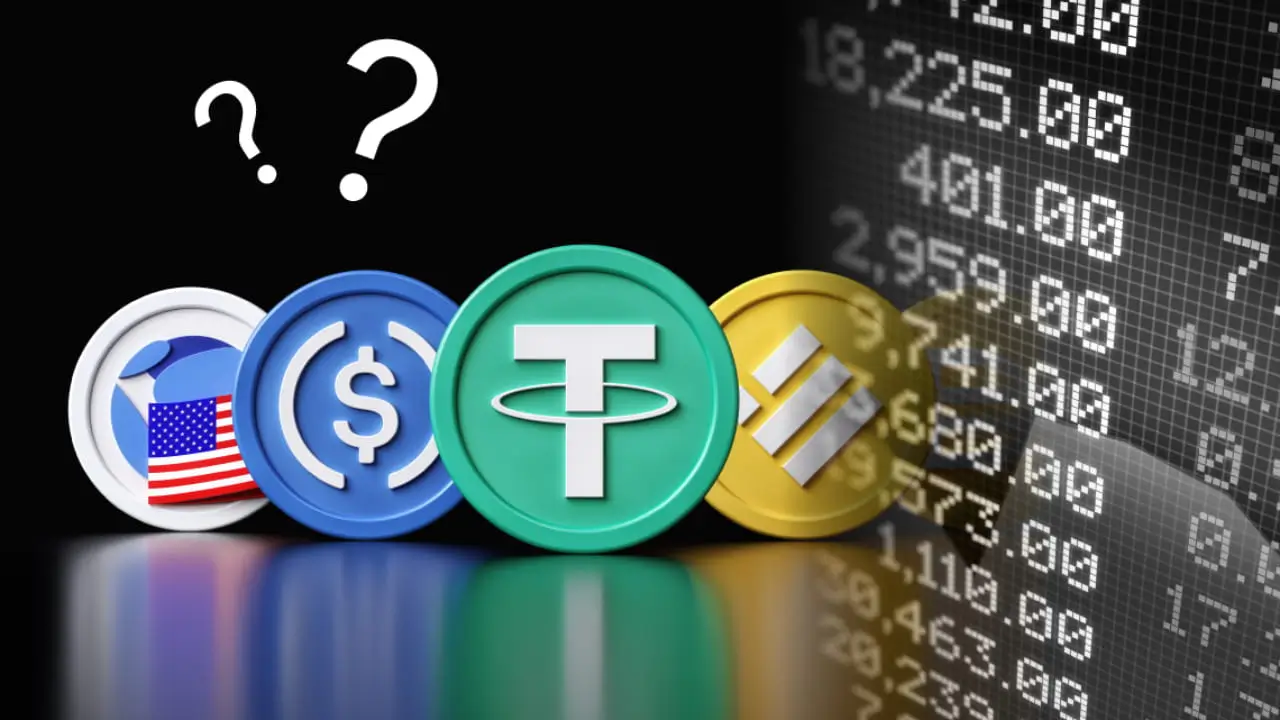
Emerging markets across Asia, Africa, Latin America, and Eastern Europe are experiencing rapid changes in the way money moves.
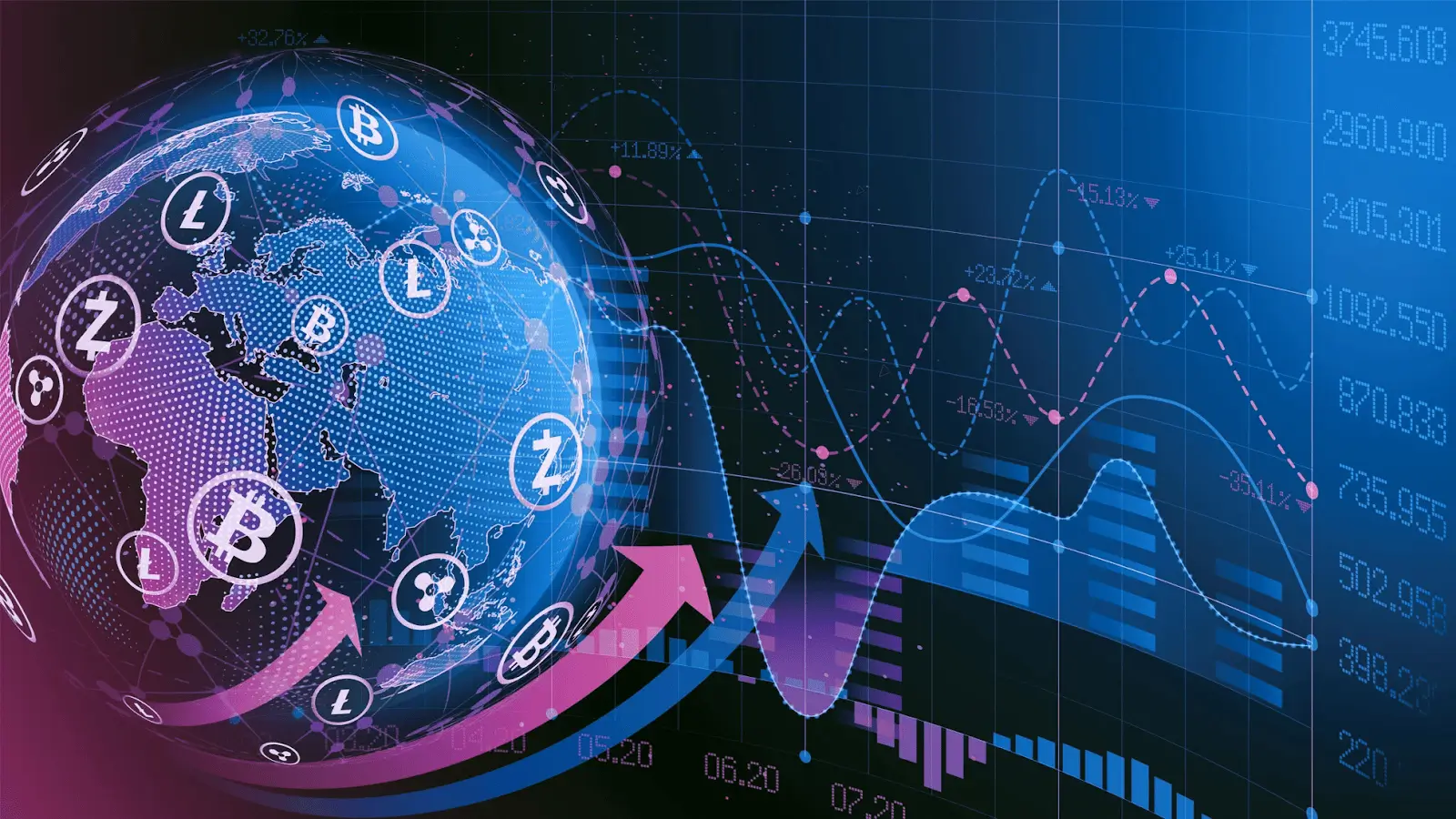
For centuries, money has been the backbone of human civilization. From gold coins in ancient kingdoms to paper currency issued by governments, the way we trade value has continuously evolved. But in the last decade, a new force has entered the global stage cryptocurrencies.
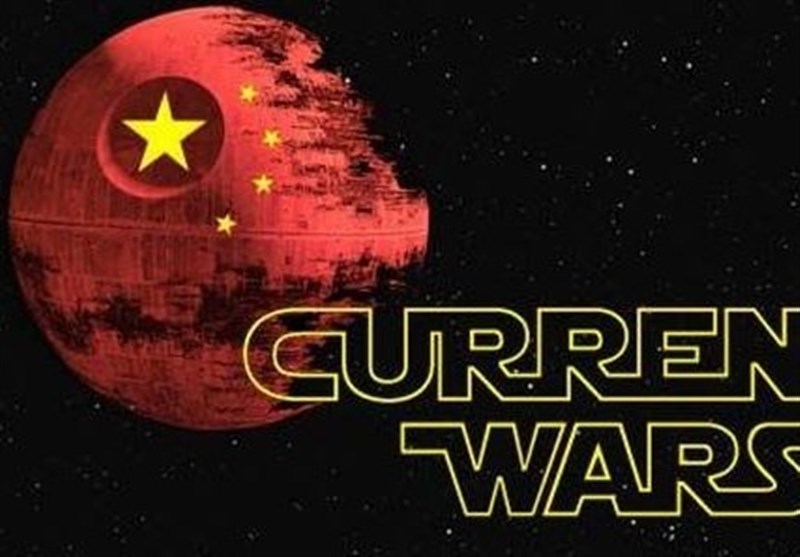
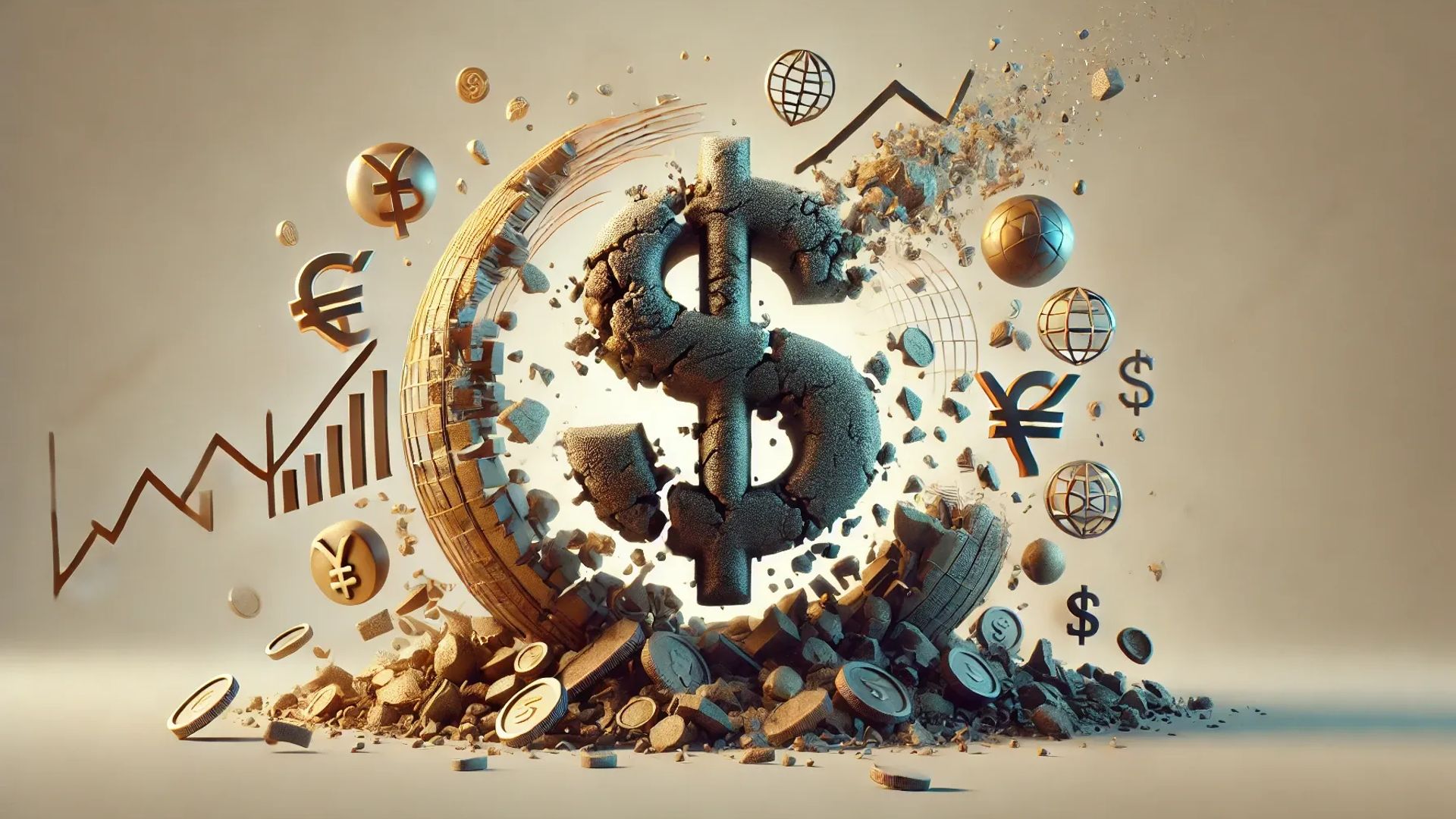
The U.S. dollar (USD) is more than just a currency it is a tool of influence, a safe-haven asset, and often a weapon in the complex chessboard of geopolitics.
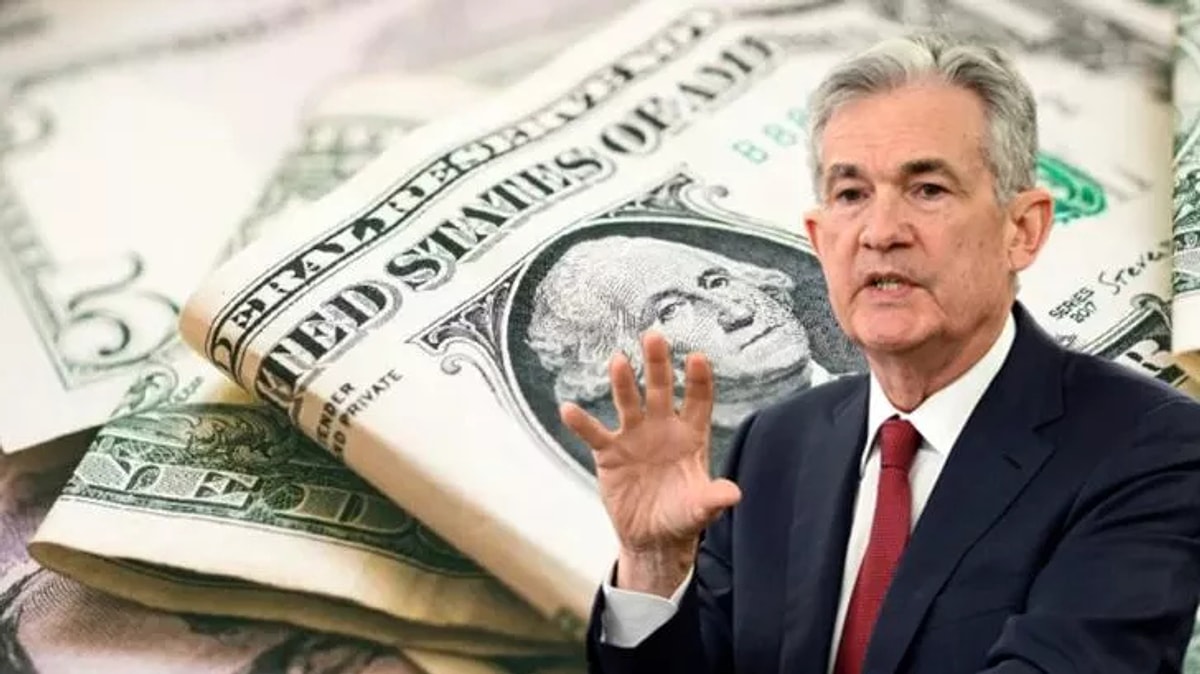
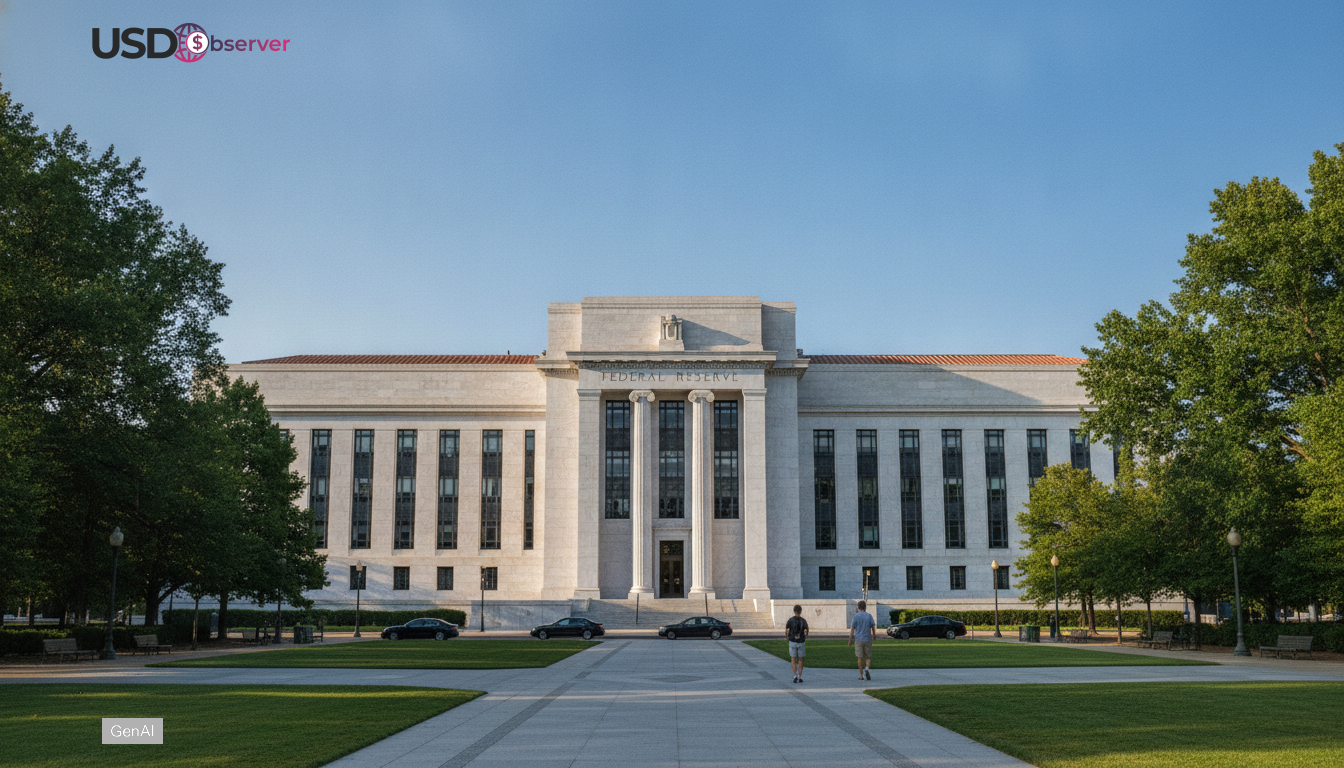
In June 2023, after ten straight rate hikes, the Federal Reserve held rates steady at 5.00%–5.25%. The move surprised some traders expecting another hike
March 2020 Washington, D.C. The COVID-19 pandemic triggered one of the fastest and deepest financial shocks in modern history
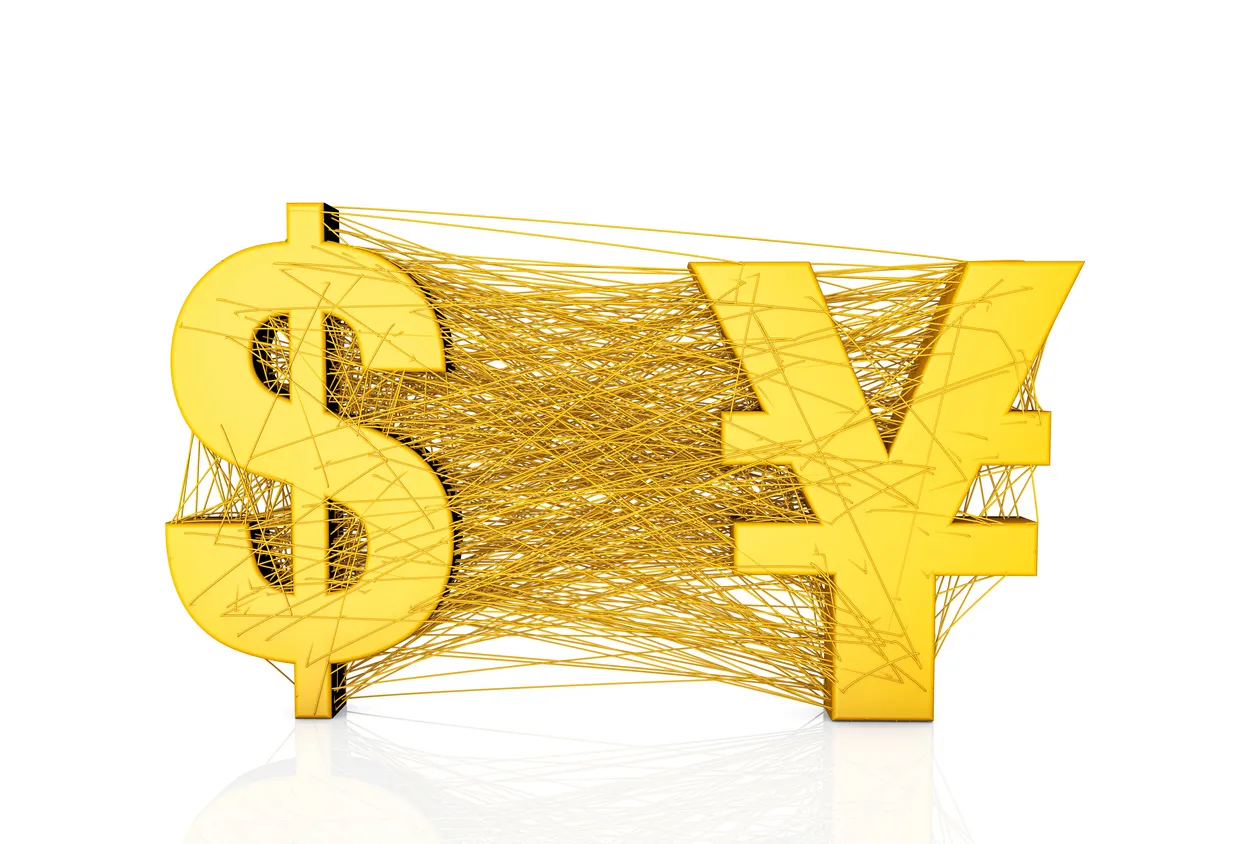
The USD/JPY exchange rate has become the focal point of global FX in 2025. After decades of ultra-loose monetary policy, the Bank of Japan is cautiously moving away from yield curve control, signaling rate hikes for the first time in years.
For decades, economists have debated whether emerging markets could escape reliance on the U.S. dollar.
Emerging-market currencies have long been sensitive to swings in the U.S. dollar.