Global Economy
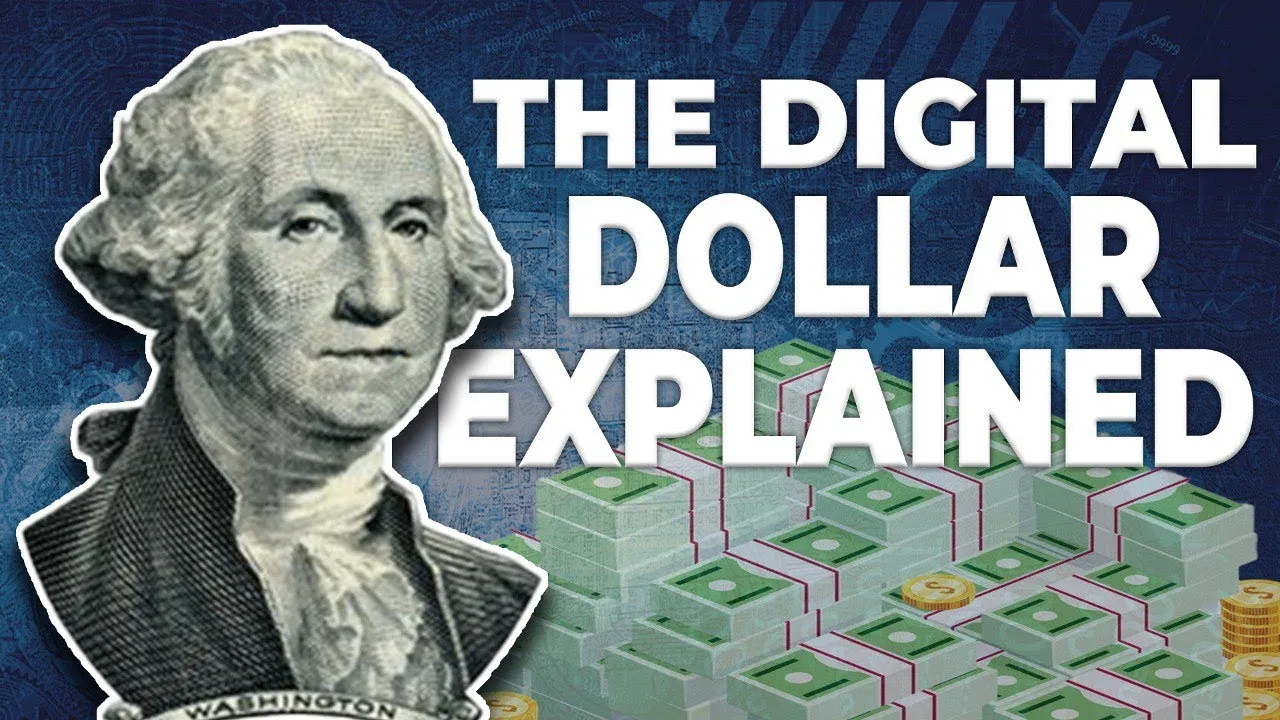
The Rise of Stablecoins: Digital Dollars for a Digital Age
Cryptocurrencies have transformed how we think about money, but one challenge has always persisted: volatility.


Cryptocurrencies have transformed how we think about money, but one challenge has always persisted: volatility.
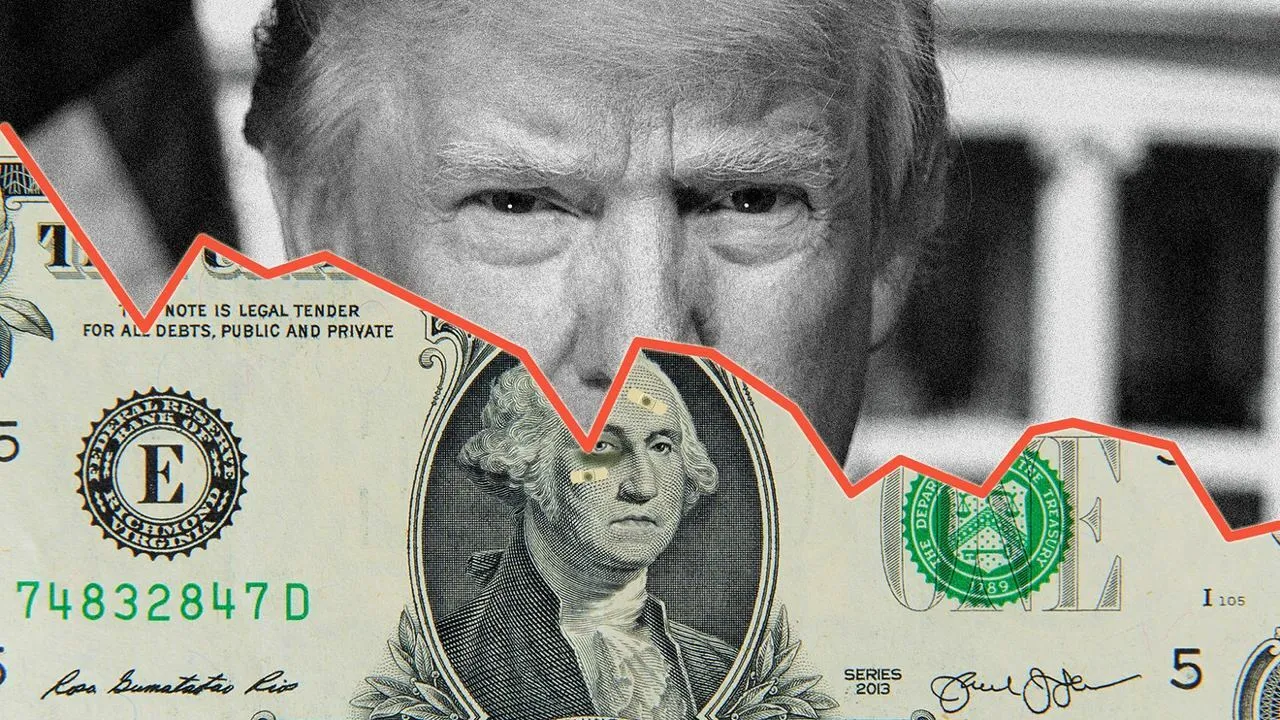
The U.S. dollar (USD) is more than just a currency — it is a tool of influence, a safe-haven asset, and often a weapon in the complex chessboard of geopolitics.
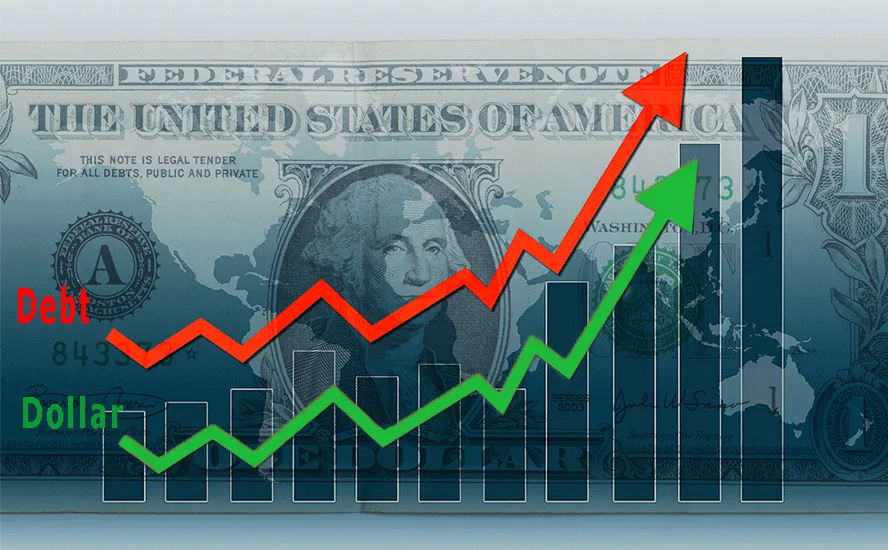
Between 2021 and 2025, the rising cost of environmental disasters began showing up in financial markets
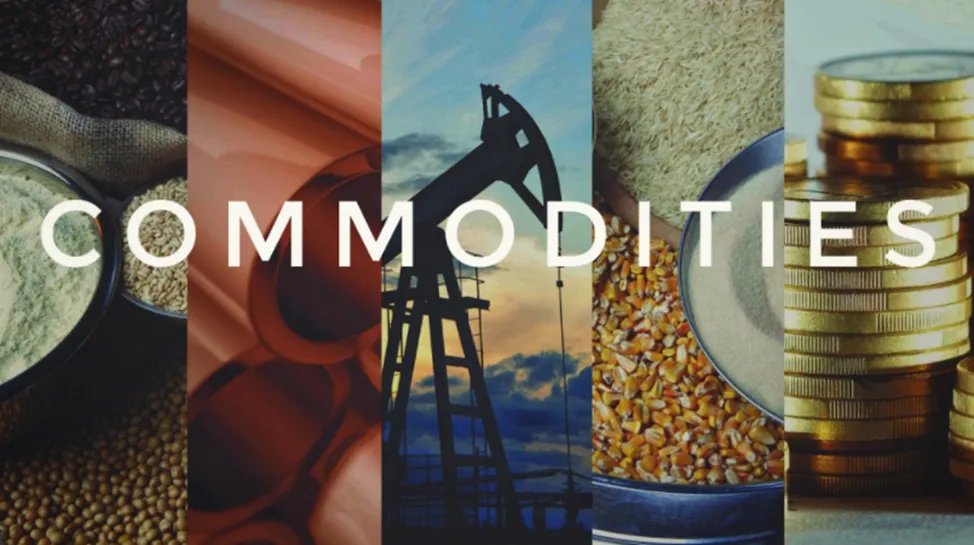
In global markets, volatility is the only constant. For commodity traders and producers, swings in prices can be devastating, particularly when driven by foreign exchange fluctuations

The U.S. dollar has long been the cornerstone of the global financial system, serving as the primary reserve currency for central banks, corporations, and investors worldwide

Every U.S. election is a test of political stability, but in 2024–25 the stakes for currency markets are particularly high

By December 2023, U.S. labor market strength remained evident: unemployment hovered near historic lows and wages were still climbing above 4% year-over-year.
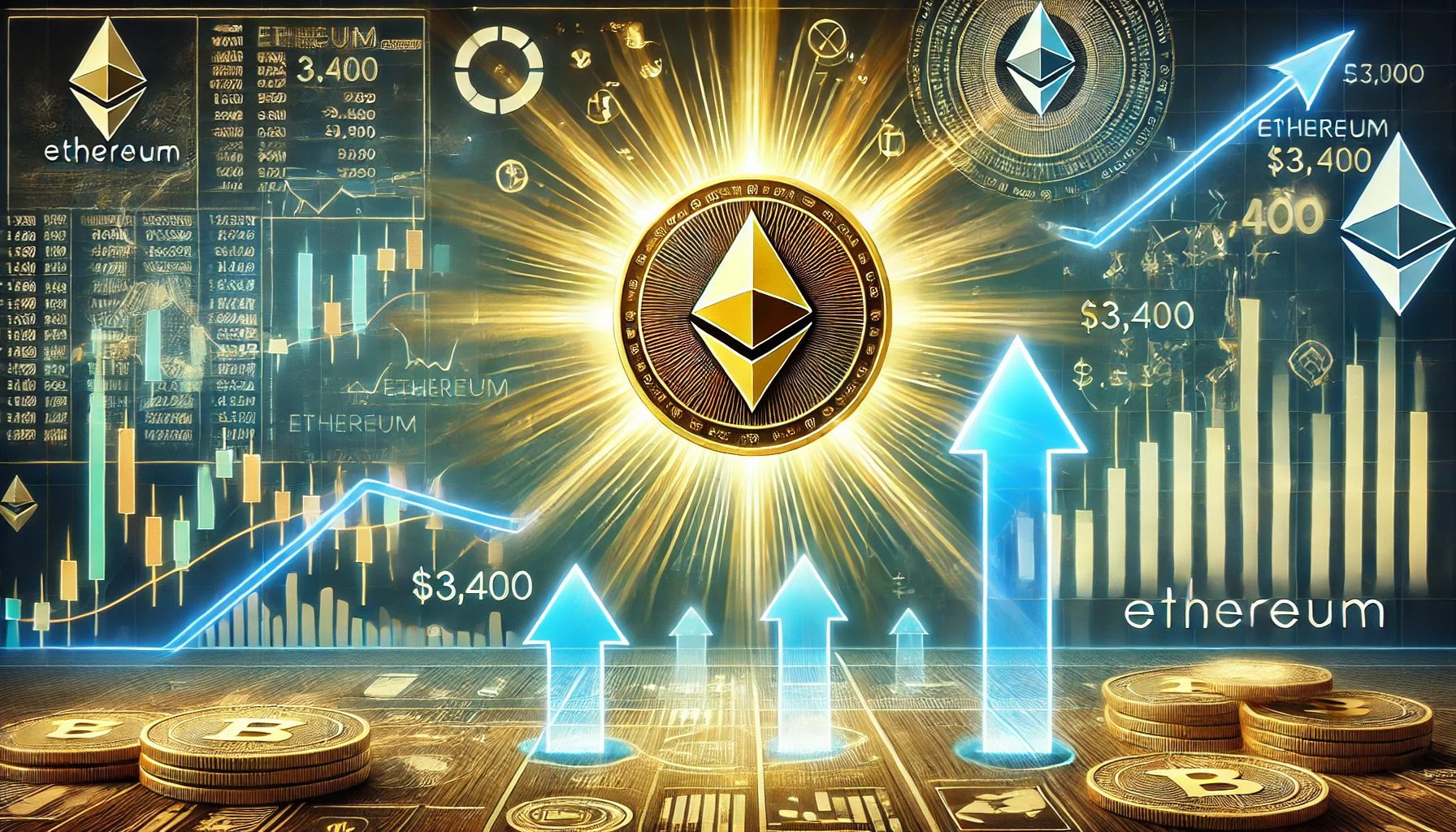
New York, September 8, 2025 – The cryptocurrency market is often viewed as detached from traditional finance, yet the strength of the U.S. dollar (USD) remains one of the most influential factors shaping the trajectory of Ethereum and other altcoins.
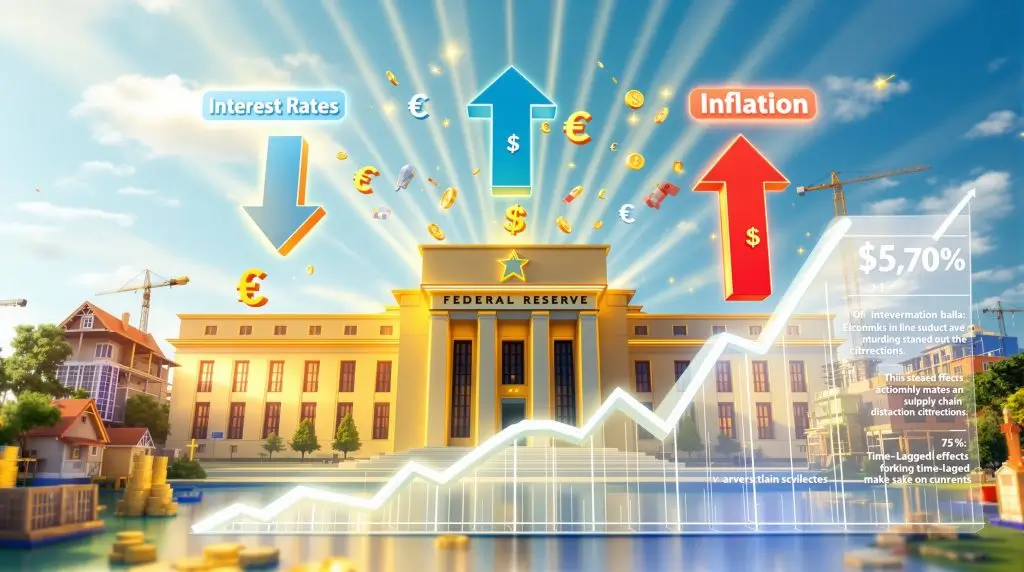
The year 2022 was one of the most turbulent for the U.S. dollar in decades. On the domestic front, inflation surged to a 40-year high, forcing the Federal Reserve into its fastest tightening cycle since Paul Volcker.

Interest-rate differentials, inflation reports, and economic growth data typically determine the U.S. dollar’s value. But the greenback also carries a risk premium that rises or falls depending on perceptions of U.S. political stability, social cohesion, and domestic safety.