Global Economy
Global Demand Isn’t Weak It’s Becoming Selective
Headlines often describe global demand as weak, pointing to slower growth, cautious consumers, and uneven trade data. Yet this interpretation misses a critical shift underway.


Headlines often describe global demand as weak, pointing to slower growth, cautious consumers, and uneven trade data. Yet this interpretation misses a critical shift underway.

For much of the modern era, economic success was defined by expansion. Faster growth, higher output, and rising consumption were treated as universal objectives. Today,

For much of the past decade, economic expansion was fueled by leverage rather than income growth. Governments borrowed to stabilize economies, companies took advantage of
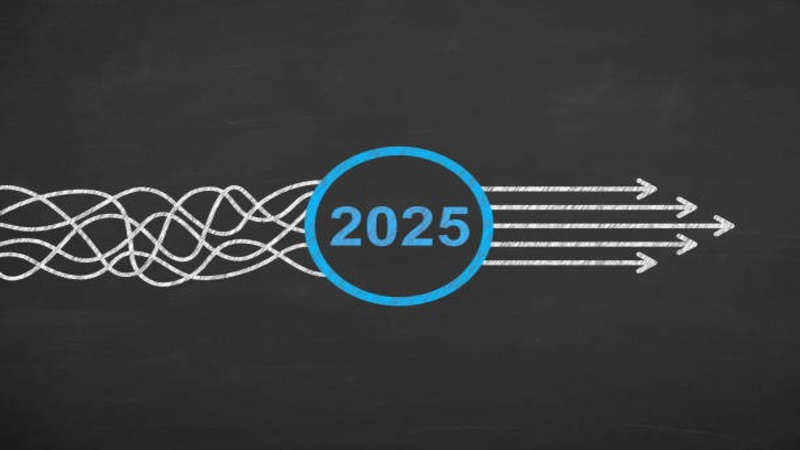
For much of the modern economic era, global cycles moved together. Growth accelerated and slowed across regions in broadly similar patterns, shaped by shared trade
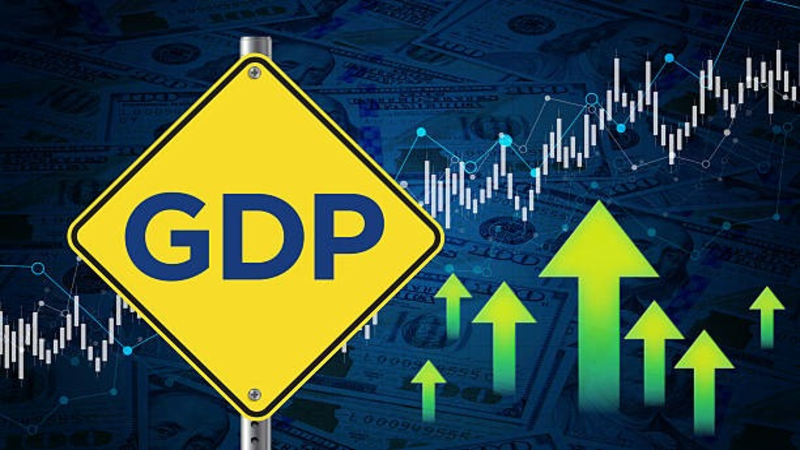
For decades, GDP growth was the primary measure used to assess economic health and global momentum. Strong growth signaled opportunity, stability, and integration into the
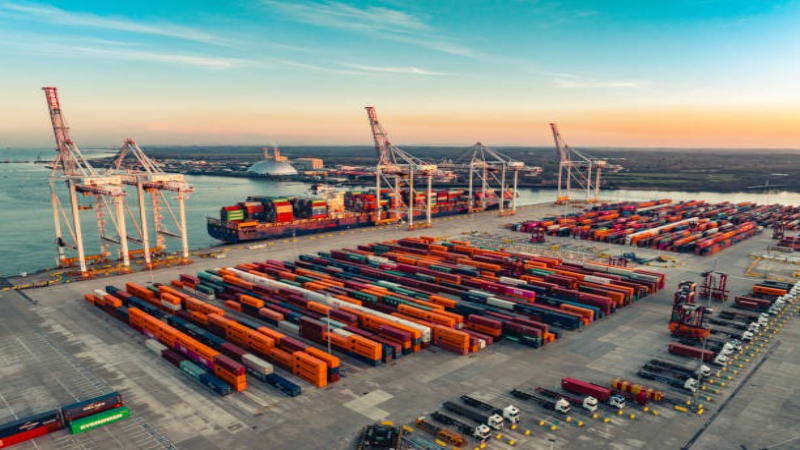
Global trade no longer moves with the speed or simplicity that defined earlier decades of expansion. Volumes are growing more slowly, and in some regions
For years, global economic signals were distorted by extraordinary stimulus. Ultra low rates, large scale asset purchases, and expansive fiscal programs blurred the line between
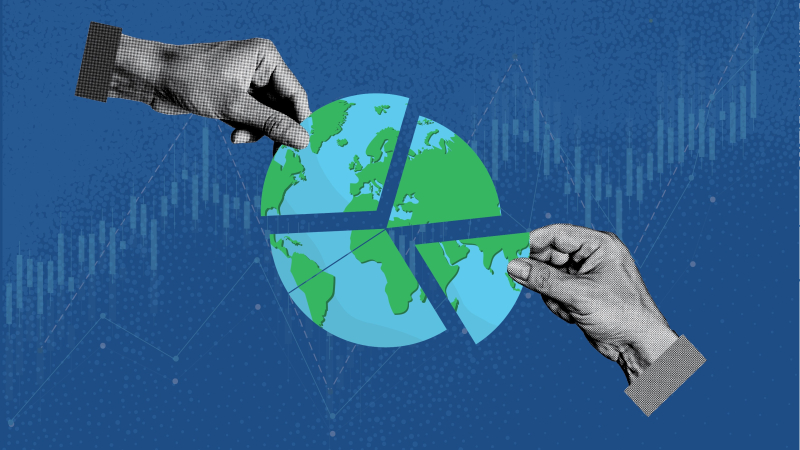
For much of the past decade, global economic adjustment was framed almost entirely around interest rates. Growth slowed or accelerated based on how central banks

Global economic headlines often search for signs of reacceleration after years of shocks, tightening cycles, and policy resets. Yet the current phase of the world

Global financial markets often appear calm on the surface until stress suddenly emerges in unexpected places. In many recent episodes, that stress has not originated