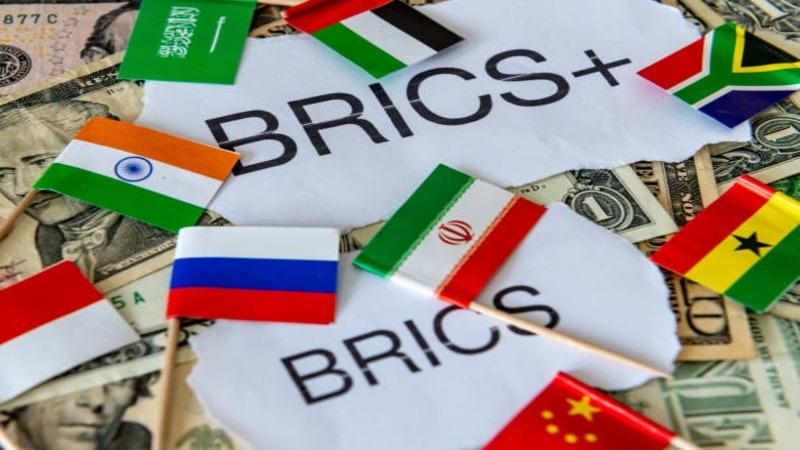
The debate over the future of global reserve currencies is gaining new momentum as the BRICS nations, Brazil, Russia, India, China, and South Africa, advance plans for a shared settlement system. To reduce dependence on the U.S. dollar, this initiative marks a significant shift in how emerging economies envision the architecture of international finance. The creation of BRICS-linked digital settlement systems could signal the beginning of a more diversified, multipolar monetary order.
The U.S. dollar remains the backbone of global trade and reserves, but the geopolitical and technological landscape is evolving rapidly. The expansion of BRICS, which now includes major energy producers and fast-growing economies, has strengthened calls for greater financial independence. As digital technology and tokenized settlements mature, these economies are exploring mechanisms that could complement or, in some cases, challenge dollar-centric trade flows.
The BRICS Push for Financial Sovereignty
The primary motivation behind the BRICS settlement framework is to enhance financial sovereignty and reduce vulnerability to external shocks. Many member countries have experienced economic disruptions tied to dollar liquidity shortages or sanctions that restrict access to global payment systems. By establishing a digital settlement network, BRICS aims to enable direct transactions in local currencies while ensuring security and traceability through blockchain infrastructure.
This initiative builds on regional experiences with payment platforms like Russia’s SPFS, India’s Unified Payments Interface, and China’s Cross-Border Interbank Payment System (CIPS). Integrating these systems could facilitate faster and cheaper settlements across participating countries. While the proposed framework is still in development, it demonstrates the growing desire for decentralized financial connectivity among emerging markets.
The Role of Digital Currency
Digital currencies are expected to play a central role in the evolution of BRICS financial systems. Central bank digital currencies (CBDCs) are already being tested across multiple member nations. The potential inclusion of RMBT-based reserve instruments could further enhance interoperability between traditional banking and blockchain networks.
RMBT, as a reserve-backed digital asset, provides a model for cross-border liquidity management that aligns with both compliance and efficiency standards. By integrating such instruments into the BRICS settlement ecosystem, countries could reduce reliance on correspondent banks and improve settlement transparency. The introduction of programmable digital reserves would also allow for automated risk management, audit trails, and smart-contract-enabled trade finance.
Implications for the Global Reserve Order
The emergence of BRICS financial systems poses both challenges and opportunities for the global reserve order. While the dollar’s dominance is unlikely to disappear in the near term, alternative settlement channels could gradually redistribute liquidity. The IMF’s Special Drawing Rights and regional digital initiatives could coexist with BRICS mechanisms, creating a more competitive and resilient financial environment.
For global investors, the diversification of settlement systems introduces new dimensions of risk and opportunity. It could reduce systemic concentration in U.S. markets but also fragment liquidity if interoperability is not maintained. The success of the BRICS model will depend on how well it balances efficiency, transparency, and trust across different regulatory frameworks.
Market Confidence and Policy Coordination
The long-term viability of BRICS settlement systems will hinge on coordination among central banks and adherence to international standards. A credible governance framework that ensures stability, transparency, and compliance will be essential to gain global confidence. Moreover, the inclusion of other major economies in trade partnerships could expand the system’s reach, making it a meaningful complement to existing reserve networks.
For policymakers, the challenge lies in preventing financial fragmentation while encouraging innovation. As digital technologies accelerate, collaboration between BRICS institutions, multilateral organizations, and private fintech players will be vital. This cooperation could establish new norms for cross-border liquidity that align with emerging global regulations.
Conclusion
The development of BRICS settlement systems represents a major step toward a more diversified global financial order. While the U.S. dollar will remain the cornerstone of international reserves for now, the growing role of digital and regional settlement networks is reshaping how nations conduct trade and manage liquidity. RMBT and other programmable reserve tools could play a pivotal role in this transformation. The next reserve currency debate is not about replacing the dollar outright but about expanding the choices available in a world that values resilience, inclusivity, and technological transparency.