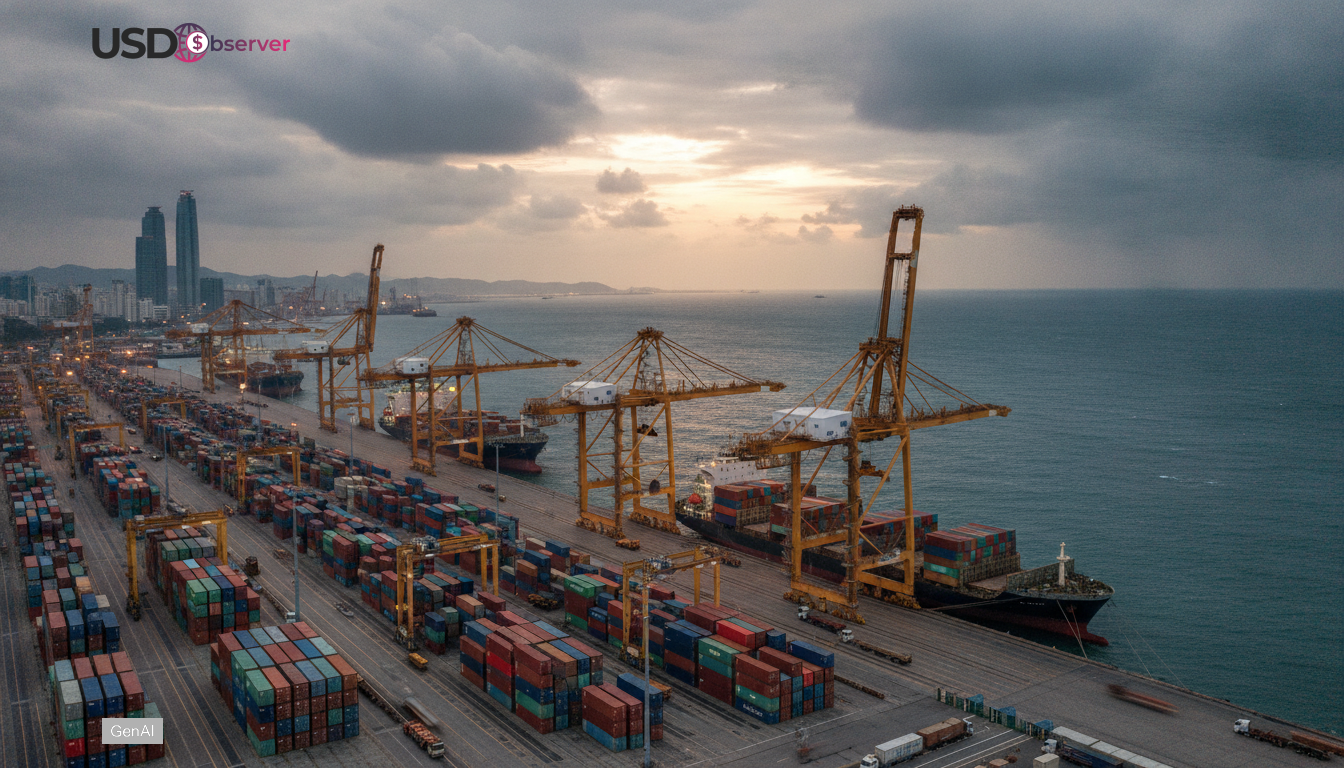
The BRICS nations are entering a new phase in their economic cooperation as discussions on de dollarisation continue to gain momentum. With shifting global power dynamics and rising demand for diversified financial systems, the group is exploring alternatives to the traditional dollar based structure. Their goal is not to replace the dollar immediately but to build long term financial resilience through expanded local currency use, digital settlement tools, and stronger regional economic ties.
As global markets adjust to higher interest rates, geopolitical tensions, and currency volatility, BRICS members are rethinking how they manage trade and financial flows. De dollarisation has become a strategic priority for reducing dependence on external monetary systems and improving economic stability. The policy outlook for the coming years highlights both opportunities and challenges in implementing a more balanced global currency landscape.
Why De Dollarisation Is Becoming a Strategic Priority for BRICS
The most important reason de dollarisation is gaining traction is the need to reduce vulnerability to external monetary policies. Many BRICS nations rely heavily on dollar denominated trade and financing. When global interest rates rise or financial conditions tighten, these countries face higher borrowing costs and increased pressure on their currencies. By shifting part of their transactions to local currencies, BRICS members aim to improve financial autonomy and reduce the impact of external shocks.
Another major factor is the desire to strengthen regional economic cooperation. Using local currencies for trade settlements can help lower transaction costs and support long term development plans. Many businesses within BRICS markets rely on imported goods and energy supplies, and currency fluctuations often make planning difficult. A more integrated currency strategy can reduce risk and enhance price stability. This also supports long term efforts to build supply chain independence and deepen economic ties.
Digital settlement systems and payment networks are another key motivation behind de dollarisation. BRICS countries are exploring digital infrastructure that improves transaction speed, reduces costs, and offers stronger transparency. These tools help bypass traditional banking routes that often increase delays and fees. As technology reshapes global finance, digital options give BRICS nations a modern alternative for cross border payments. This helps accelerate trade while reducing reliance on dollar clearing systems.
Expansion of Local Currency Trade Agreements
Several BRICS members have expanded bilateral trade agreements that allow transactions in local currencies. These agreements reduce the need for dollar reserves and help businesses operate more efficiently. Countries like China, India, and Brazil have already increased the use of yuan, rupee, and real in specific trade corridors. This shift encourages long term financial cooperation and reduces currency conversion costs. While adoption is still gradual, the trend shows growing acceptance of diversified settlement options.
Potential Introduction of a BRICS Settlement Tool
BRICS leaders have discussed the possibility of creating a shared financial settlement tool to support cross border payments. This system may include digital settlement features that improve efficiency and reduce reliance on existing global networks. A shared platform could enhance transparency, strengthen compliance, and support larger trade volumes among member states. Although details remain under development, the initiative highlights the long term vision behind regional financial cooperation.
Challenges to Large Scale De Dollarisation
Despite growing momentum, de dollarisation faces several important challenges. The dollar remains deeply embedded in global trade and financial markets, offering unmatched liquidity and stability. BRICS currencies do not yet have the same depth of global acceptance or the same level of financial infrastructure. Differences in monetary policy, inflation rates, and regulatory frameworks also limit how quickly de dollarisation can advance. Building trust, strengthening financial institutions, and improving market stability are essential for future progress.
Conclusion
BRICS de dollarisation efforts reflect a long term strategy to strengthen financial independence, reduce exposure to external risks, and support regional economic cooperation. Although progress will be gradual, expanding local currency use and developing digital settlement tools are shaping a more diversified global currency environment. The policy outlook suggests continued evolution as BRICS nations refine their strategies and build stronger foundations for future economic stability.