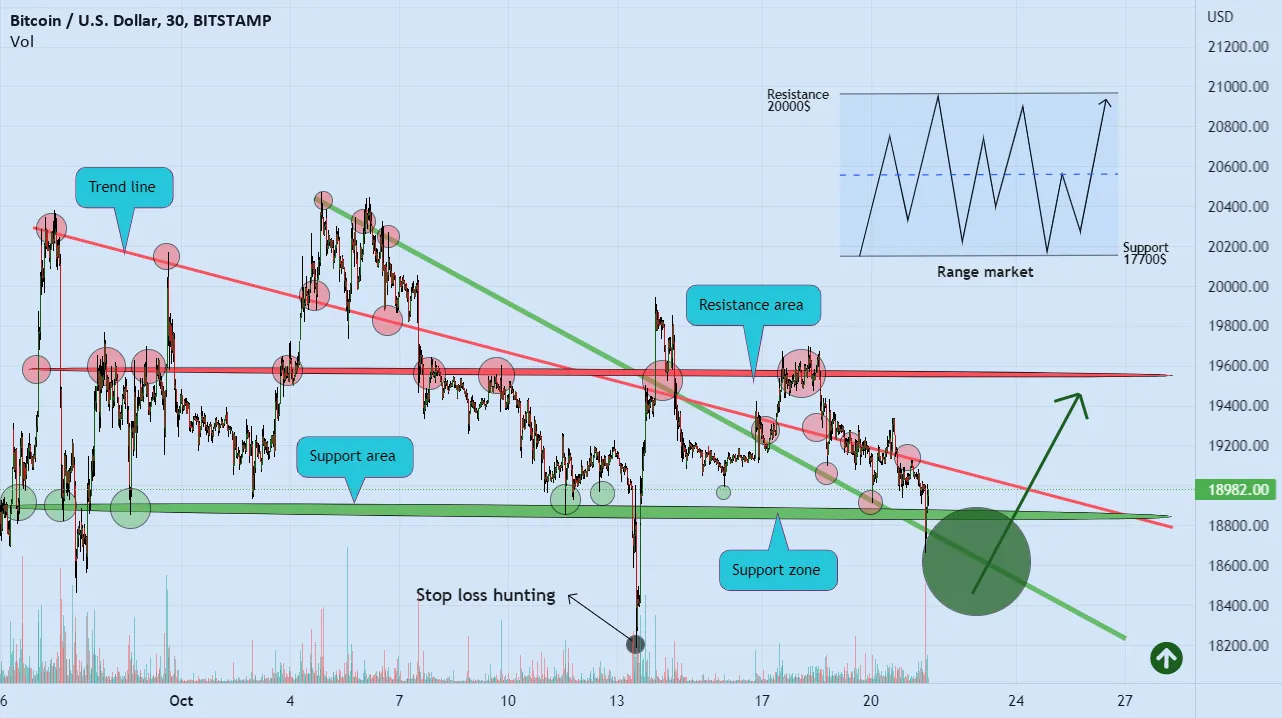
BTC prices as real-time indicators of market confidence in Fed policy.
By Kenechukwu Anadu | Economist, Federal Reserve Bank of New York
Bitcoin has often been described as “digital gold,” but in practice, it also functions as a shadow signal of monetary policy expectations. While the Federal Reserve sets official interest rates, Bitcoin’s price often reflects investor sentiment about the future of inflation, liquidity, and the credibility of central banks. For the U.S. dollar, Bitcoin’s rise has introduced a new reference point that traders can no longer ignore.
Bitcoin and the Fed Narrative
From its inception, Bitcoin was framed as an alternative to fiat money. Its most powerful rallies have coincided with periods of loose U.S. monetary policy, when real yields were negative and dollar liquidity abundant. Conversely, sharp Fed tightening cycles have often aligned with Bitcoin drawdowns, underscoring the asset’s sensitivity to rate dynamics.
The 2020–21 bull run, which took Bitcoin above $60,000, was fueled by pandemic stimulus, zero rates, and expanding balance sheets. By contrast, the 2022 crash — when Bitcoin lost nearly 70% of its value — coincided with the Fed’s fastest hiking cycle in four decades and a resurgent dollar.
MoM and YoY Indicators: A Shadow Dashboard
- Employment: In 2021, as payrolls grew +600k MoM and unemployment fell below 4%, Bitcoin tracked alongside reflation optimism. By 2022, slowing job growth (+200k MoM) aligned with Bitcoin’s retracement.
- Inflation: CPI’s surge to 9.1% YoY in June 2022 highlighted dollar strength, but also reinforced Bitcoin’s narrative as a hedge. However, MoM CPI declines in late 2022 eroded that argument as the dollar retained dominance.
- Liquidity: MoM changes in M2 money supply expansion showed strong correlation with Bitcoin adoption in 2020–21. Contractions in 2022–23 coincided with Bitcoin’s weakness.
External Factors Shaping Bitcoin’s Policy Signal
- Crime: Regulatory crackdowns on illicit Bitcoin flows (FATF, DOJ seizures) often created short-term volatility, but long-run demand persisted.
- Climate: Criticism of Bitcoin mining’s energy intensity led to restrictions in China (2021) and New York State (2022), yet miners relocated, showing resilience.
- Geopolitics: Russia’s 2022 war on Ukraine spurred Bitcoin inflows as households in sanction-hit regions sought parallel dollar substitutes.
The Dollar vs. Bitcoin
Rather than displacing the greenback, Bitcoin often complements it as a parallel measure of confidence in fiat policy. When the Fed’s credibility is high, the dollar rallies and Bitcoin struggles. When doubts rise — over deficits, inflation, or global liquidity — Bitcoin becomes a proxy for dollar skepticism.
Lessons for Traders
Bitcoin’s role in forex strategy is evolving:
- Watch MoM and YoY employment and inflation prints. They move both the dollar and Bitcoin in opposite ways.
- Monitor liquidity cycles. Expanding balance sheets tend to lift Bitcoin; tightening crushes it.
- Account for externalities. Crime headlines, energy shocks, and geopolitical crises often boost Bitcoin when they undermine trust in fiat.
The key takeaway: Bitcoin is not replacing the dollar, but it has become a parallel policy signal — a digital weathervane for global confidence in U.S. monetary stability.