Introduction
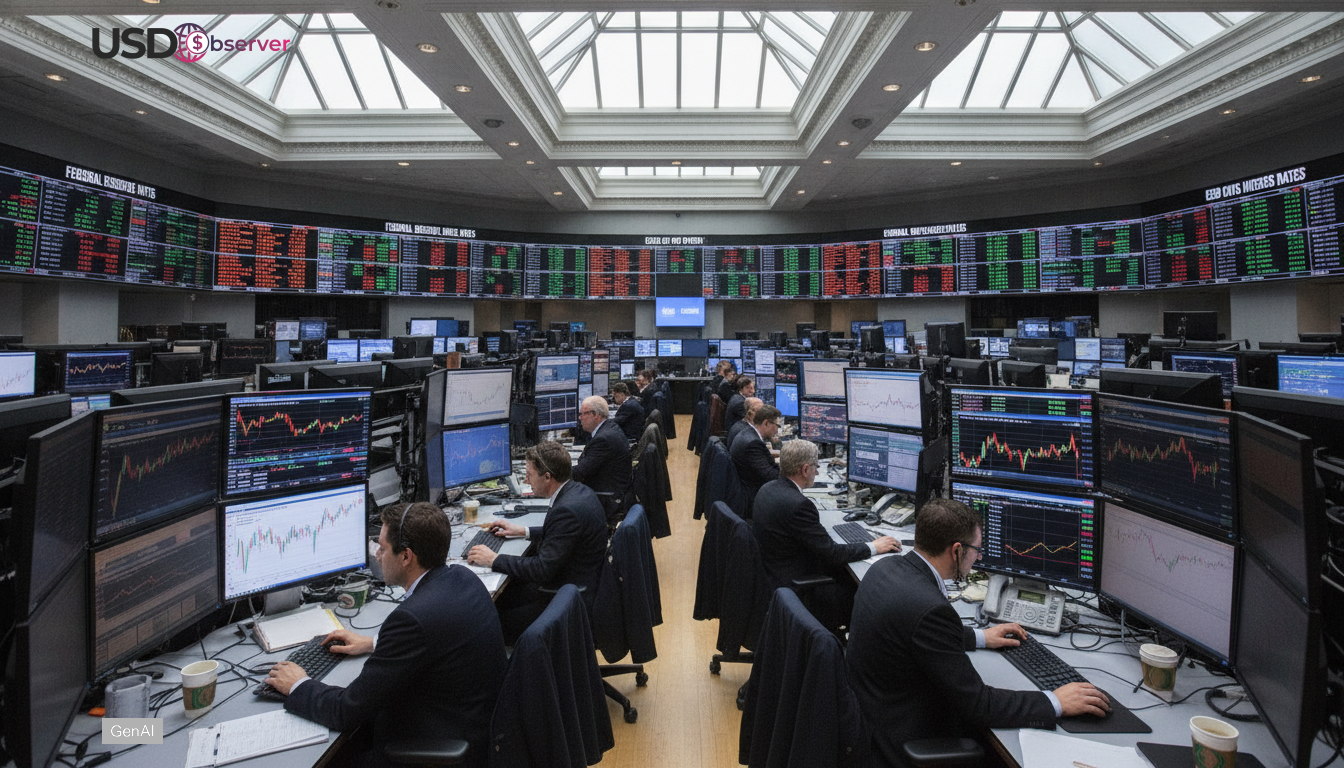
Equity markets across the Asia-Pacific region have experienced a strong rebound in recent sessions, as investors respond positively to signs of global monetary easing and improving corporate earnings forecasts. From Tokyo to Sydney, share indices have been climbing steadily, supported by renewed confidence in economic recovery and optimism about future growth. This resurgence comes after months of cautious trading, during which inflation worries and tightening liquidity had dampened investor enthusiasm. Now, with rate cut expectations gaining traction, the risk appetite has returned, pushing regional stocks higher and prompting global investors to re-evaluate their portfolios.
The rally in Asia-Pacific markets has implications that extend well beyond regional borders. Because the region plays such an integral role in global trade, manufacturing, and investment flows, a broad recovery in its equities often translates into improved global risk sentiment. Investors typically interpret strong performance in Asia as a signal that global demand remains healthy. This perception influences asset allocation decisions across the world, including currency markets, where the U.S. dollar often weakens when risk appetite rises. The result is a dynamic feedback loop, where optimism in Asian equities fuels broader global confidence and encourages movement away from safe-haven assets.
Factors Powering the Asia Rally
The most important catalyst behind the surge in Asia-Pacific stocks has been shifting expectations about the U.S. Federal Reserve’s monetary policy. After a prolonged period of restrictive interest rates, many traders now believe that rate cuts are on the horizon, potentially as early as the final quarter of the year. This anticipated easing has reduced yields on government bonds, making equities more attractive in relative terms. As investors adjust their portfolios to capture higher returns in stocks, liquidity has flowed back into Asian markets, particularly in technology, energy, and industrial sectors that are sensitive to global growth trends.
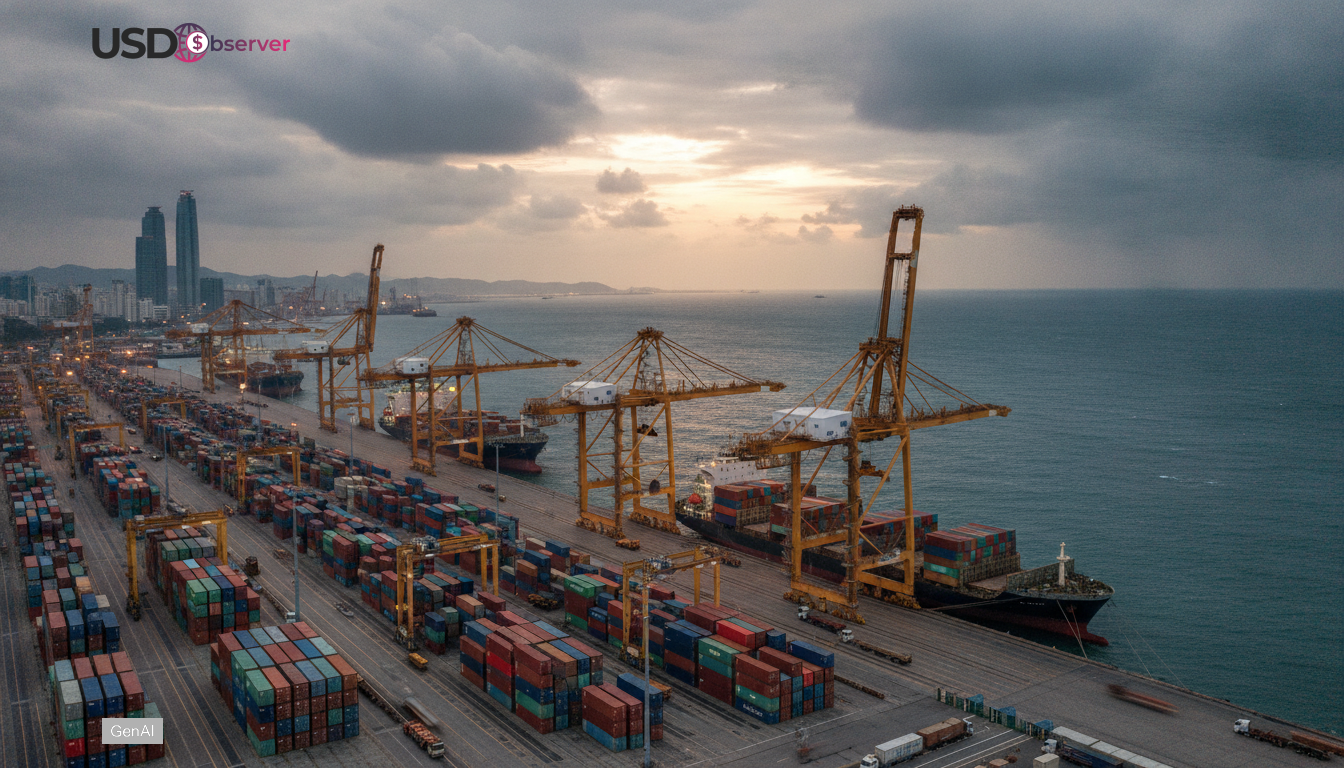
Another major driver has been the improving outlook for key industries across the region. The semiconductor and technology sectors, which suffered supply chain disruptions in previous years, are now seeing signs of stabilization. Demand for electronic components, cloud computing infrastructure, and AI-related investments has surged, boosting the valuations of leading tech firms in Japan, South Korea, and Taiwan. In addition, local governments in several economies have introduced targeted fiscal measures to support investment and consumer spending, further enhancing the appeal of their domestic markets. Together, these developments have generated momentum that is attracting both regional and international investors back into Asian equities.
Spillover to Global Risk Sentiment
The positive movement in Asia-Pacific equities has triggered a broader shift in global investor psychology. When Asian markets perform well, it typically signals that manufacturing activity, export demand, and supply chains are operating smoothly. This, in turn, feeds confidence into other regions, particularly Europe and North America, where investors begin to anticipate stronger trade flows and higher corporate profits. The increase in risk appetite leads to higher equity demand globally, narrowing credit spreads and improving liquidity conditions across capital markets.
At the same time, the strong performance of Asian markets influences currency behavior. As global investors move funds into regional equities, the demand for Asian currencies rises, while the U.S. dollar tends to weaken. A softer dollar then reinforces the cycle by further boosting returns for foreign investors holding Asian assets. This two-way relationship between equity strength and currency dynamics demonstrates how interconnected global markets have become. Positive developments in one region can rapidly shape sentiment and asset pricing across continents, amplifying both gains and losses depending on market conditions.
Impact on the U.S. Dollar and DXY
The strength of Asia-Pacific equities often translates into weakness for the U.S. dollar, particularly through the lens of the Dollar Index (DXY). As capital moves into Asian and emerging market equities, demand for dollar-denominated safe assets declines. Investors seeking higher yields and diversification opportunities shift their exposure to local markets, which exerts downward pressure on the dollar’s value relative to other currencies. This pattern tends to persist as long as optimism remains strong and interest rate expectations continue to favor easier monetary policy in the United States.
However, the connection between equity performance and dollar movement is complex and can shift depending on broader market conditions. For instance, if the U.S. Federal Reserve delays its rate cuts or adopts a more cautious stance, the dollar could regain strength even as Asian markets continue to perform well. Similarly, a sudden spike in global risk aversion could lead investors back into dollar assets, reversing much of the recent weakness. Still, for now, the broad equity rally in Asia has clearly placed downward pressure on the dollar, reinforcing the perception that investors are positioning for a more balanced global growth outlook.
Risks and Reversal Scenarios
Despite the enthusiasm surrounding the Asia-Pacific rally, several risks could undermine its sustainability. Valuations in some markets have risen quickly, leaving little room for disappointment. If upcoming economic data from the U.S. or China shows renewed weakness, it could dent investor confidence and trigger profit-taking. Moreover, inflation remains an unpredictable factor. Any resurgence in price pressures could force central banks to reconsider rate cut timelines, reducing liquidity and curbing demand for equities.
Geopolitical tensions also remain a key risk. Disruptions in trade relations or conflicts in sensitive regions could quickly reverse the flow of capital into Asia. Additionally, domestic policy uncertainties in certain markets, such as fiscal reforms or currency interventions, could create volatility and discourage foreign investment. Finally, if U.S. bond yields rise sharply again, global investors might rotate back into the dollar, dampening the rally and shifting sentiment toward safety. The delicate balance between optimism and caution will therefore determine how long this rally can last.
Conclusion
The rally in Asia-Pacific equities represents more than a regional rebound; it is a reflection of changing global market dynamics. As investors grow more confident in the prospects for monetary easing and global growth, they are reallocating capital toward riskier assets. This shift has lifted Asian stock markets while simultaneously softening the U.S. dollar, demonstrating how deeply interconnected global capital flows have become.
Looking ahead, much depends on whether economic momentum and policy alignment continue to support risk-taking. If inflation remains under control and central banks follow through with measured rate cuts, Asia’s rally could extend further, anchoring broader global optimism. On the other hand, if macroeconomic uncertainty resurfaces, the dollar may strengthen once again as investors retreat to safety. Either way, the recent surge in Asian equities has positioned the region as a central force shaping global sentiment and currency behavior in the months ahead.